Important Update: Temporary Closure of the Nancy S. Klath Center Due to water damage, the Nancy S. Klath Center (101 Poor Farm Road) is temporarily closed for construction. For your safety, please do not visit the building. We will share updates as soon as it is ready to reopen.

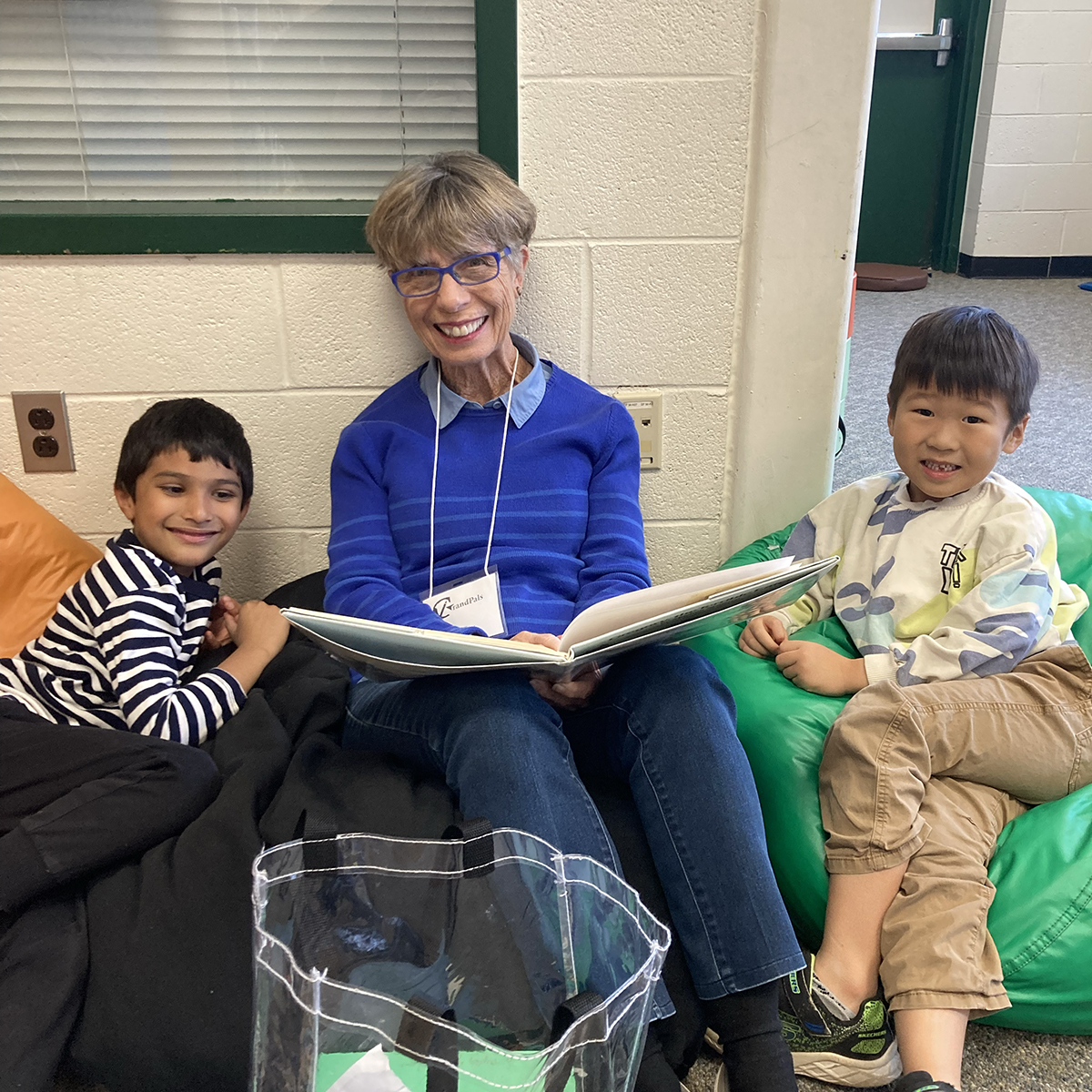
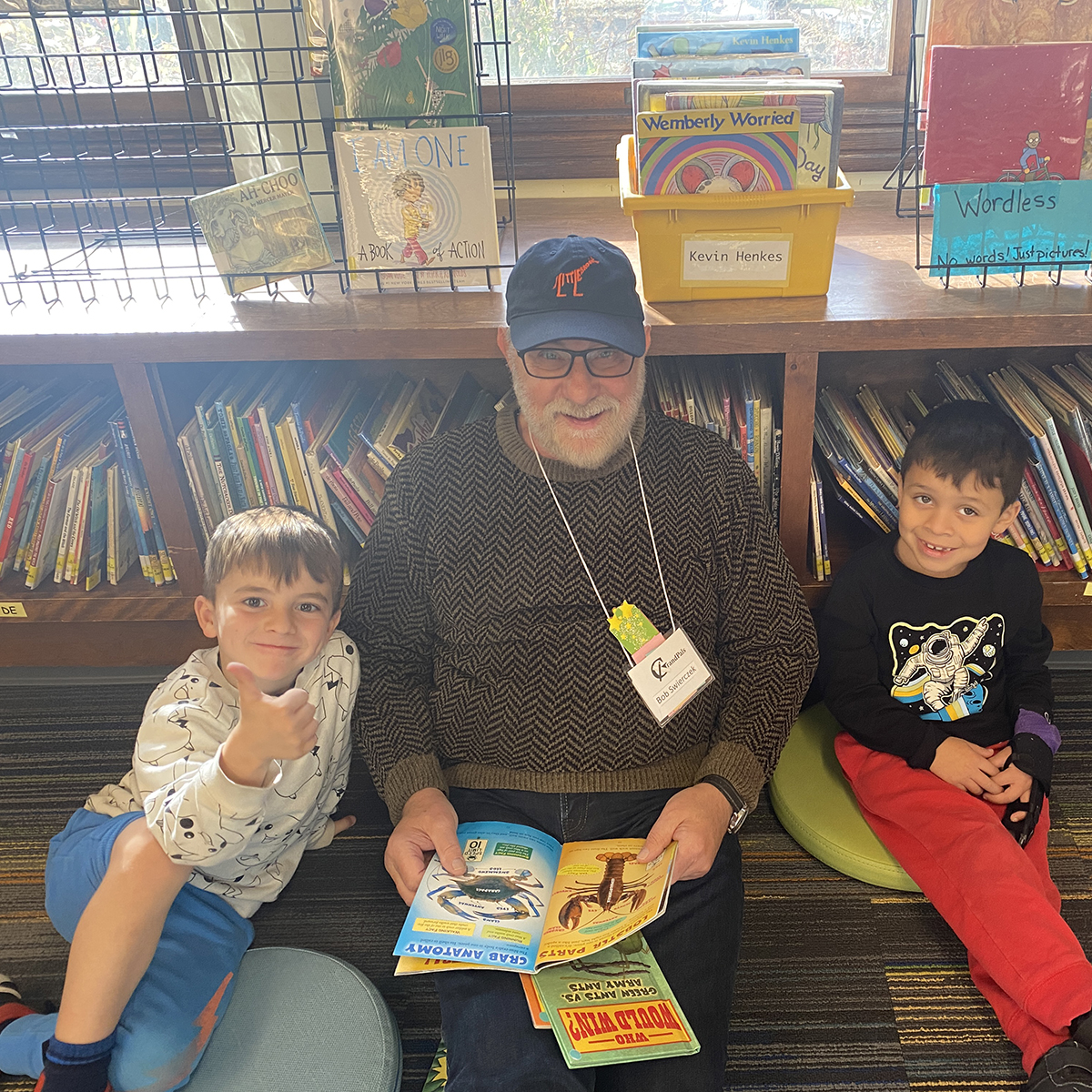
GrandPal Bob Swierczek

Bob Swierczek, a United States Navy veteran, resides in Princeton, where he selflessly dedicates his time to various volunteer roles. He serves as a crossing guard for the police department, assists as fire police for the fire department, reads to kindergarten classes, and organizes trips to Washington, D.C. for fellow veterans.

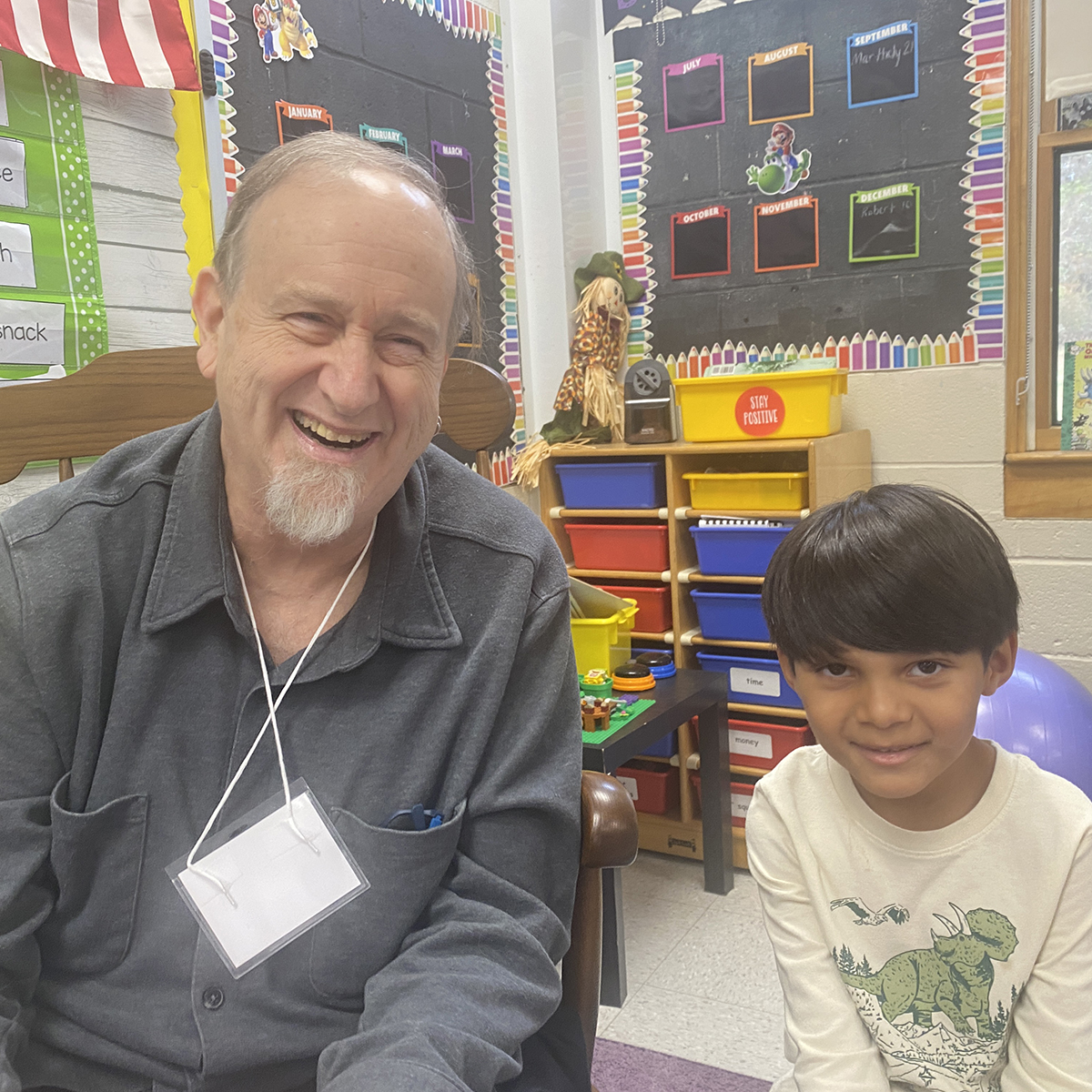
After several years of being in GrandPals and thinking of things to do other than reading, this year I decided to play some games with my Pals.

So after a few books and about ten minutes left in the session I started to play some games. First we did “Simon Says,” the next week “I Spy” and several more games as the weeks went by. This week we did “Password” and the kids got kick out of it. At first I came up with the word and gave them clues and after a few trys they would guess the word. We needed more than ten minutes since they really got into the game.

GrandPals is just not about reading with them, it’s about having fun with them.

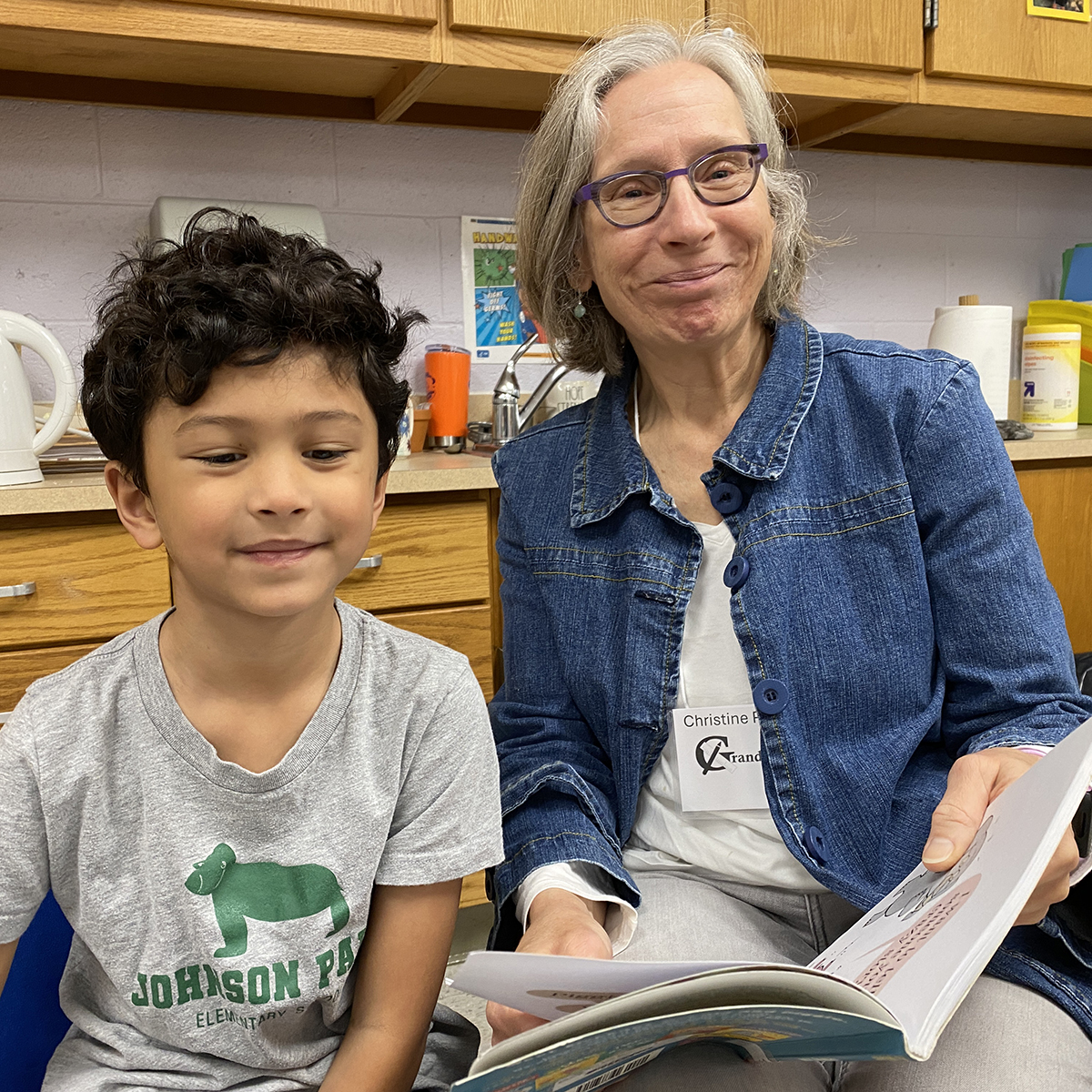
GrandPal Christine Piatek

Christine Piatek was a GrandPal at Littlebrook School before the pandemic and eagerly rejoined when the program returned in full swing. Before retiring, she worked as a public sector lawyer specializing in environmental law. Now, she dedicates her time to supporting the community, tutoring ESL with Literacy NJ-Mercer County, and volunteering with various programs. For Christine, reading with young students is a true joy — their enthusiasm for books makes every session special.

On Wednesday, I was in the hallway near our classroom in the Johnson Park school waiting for the rest of the GrandPals. An older boy was walking up the hallway and saw my name tag with “Grandpals” on it and said “Are you a Grandpal?” I said “I am.” And, he smiled, said “Wow,” and went into his classroom. It seems we’re famous!

Frances

Frances: A heart full of dance and joy in Princeton

We’ve had the pleasure of seeing Frances at the Suzanne Patterson Building’s Nutrition Program, and we’ve also loved watching her dance wonderfully at the Music Fest. She’s always smiling and brightening the lives of those around her. Today, Frances shares her story, full of love for life, her family, and the community she’s found in Princeton.

Hello, I’m Frances. I came from China thirty-three years ago, from Chongqing, which is famous for its spicy food. At first, I felt a little lost, but today, Princeton is my home. My daughter grew up here and graduated from Princeton University, and I’m so proud of her. She now lives in New York, but we always come back to Princeton to spend time together, and that fills my heart.

What I love most about Princeton is the people. I don’t feel like a foreigner here; I’ve always been made to feel part of the community. The Nutrition Program at the Suzanne Patterson Building is one of the places where I feel most connected. I not only enjoy the food but also the conversations and the chance to see everyone who comes here. I don’t feel lonely, even though I live alone. The connections I’ve made with others keep me active and happy.

What I’m most passionate about is dancing. Last year, at the Music Fest, when I danced, I felt my body fill with energy. My favorite rhythm is Latin dance, but I also love ballroom dancing. I’ve been dancing for years, and I always try to stay active because I know that dancing keeps both my body and soul healthy. People say you get old when you stop moving, not when you get older, and I never want to stop dancing.

My advice for life is very simple: keep your heart happy, live with peace, and good health will follow. Happiness isn’t found in big things, but in the little things — in enjoying simple moments. And don’t forget to dance; that’s what keeps the spirit alive!

My life in Princeton has been a journey of connections, laughter, and love. I appreciate every moment here, surrounded by such wonderful people who make each day special.

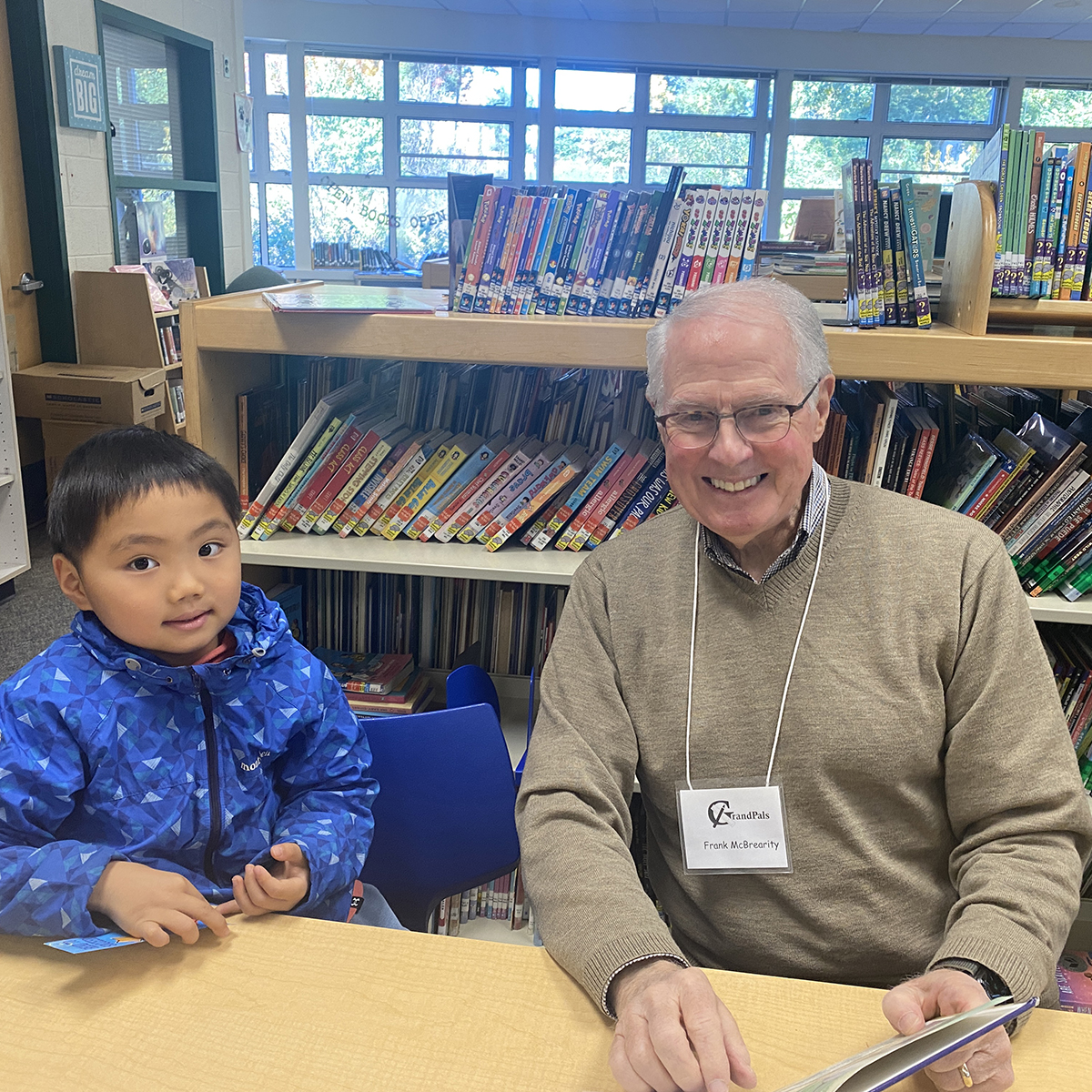
GrandPal Frank McBrearity

Frank McBrearity is pursuing a degree in MGA (Master’s of Grandparent Administration) and spreading joy one fist bump at a time.


I believe I am making good progress toward my Masters in Grandparent Administration, the MGA, from Princeton.

I exited a class just before Christmas and a young woman caught my attention just outside the Library at Riverside. “Hi, are you Mr. Frank?”

“Yes, I am.” I replied.

“Well, my son Owen really enjoys your GrandPal sessions. He really likes you and looks forward to the Tuesday mornings with you. I get a report every Tuesday afternoon.”

“Thank you very much. It’s my pleasure. Owen has introduced me to PD&D Studies: Pokemon, Dragons, and Dinosaurs, a special group of studies and Owen is an expert.”

“Owen is an expert on these for sure. Thank you for your participation. Nice to meet you.”

This MGA experience helps to keep my attention away from the news of the day, and focus on my studies with Owen, Lia, Yuhito, and Kai. Terrific.

Patrick Ryan

Embracing Life and Connections: The Story of a Global Adventurer in Princeton

Meet Patrick Ryan, a spirited Princetonian whose adventurous spirit and love for life have taken him all over the world. As he puts it, “I’m a bit of an Irish gypsy.” Born on August 6, 1945, the very day the atomic bomb was dropped on Japan, Patrick grew up on his family’s dairy farm in Ewing, New Jersey. His roots are firmly planted in Mercer County, but his journey has taken him to nearly a dozen different places. A proud graduate of Princeton University (Class of ’68), Patrick’s life has been one of exploration, with stints in cities like Honolulu, San Francisco, Santa Fe, and Oaxaca, Mexico.

His academic journey at Princeton was diverse and full of discovery. “I played football, delved into art history, and ultimately graduated with a major in medieval history,” he recalls. “I took a number of art history classes,” reflecting on a time that shaped his understanding and love for culture. But even with his extensive travels, Princeton remains a place of deep connection for him. “The memories of my childhood home, built in 1750 and now a historic museum in Ewing, are cherished,” Patrick shares. “I’ve always found a way to return to my roots.”

Oaxaca, in southern Mexico, holds a special place in Patrick’s heart. “It’s the food capital of Mexico,” he says with a smile, sharing his admiration for the rich cultural diversity of the area. “It’s the heart of Mexico,” Patrick adds. “I think the reason it’s so important and so lovely is that 60% of the people in Oaxaca are natives, they’re indigenous, and each group has its own dress and fiestas. Everybody kind of gets along.” For Patrick, Oaxaca’s affordability is also striking. “For about $5 in Oaxaca, you can get a full meal,” he notes. “In Princeton, the cost of a good meal has become very expensive, but it’s still beautiful.”

Back in Princeton, he stays connected to his community, especially through the Suzanne Patterson Building’s Food & Nutrition Program for Older Adults. He values the opportunity to share meals and stories with others, and the connections made through the program bring him great joy. “It’s not just about the food, it’s the people and the fellowship that mean the most,” Patrick reflects. The social connections, whether over international appetizers or casual chats, help maintain his peace and well-being.

Patrick also deeply values the learning and growth opportunities offered by the Center for Modern Aging Princeton, a place that fosters connection and community well-being through its programs. “I was born with a gift of every day is a new day,” he shares. “You may as well make the best of it all.” He is grateful to be part of a space that celebrates diversity and inclusion, just like the cultures he’s explored throughout his life.

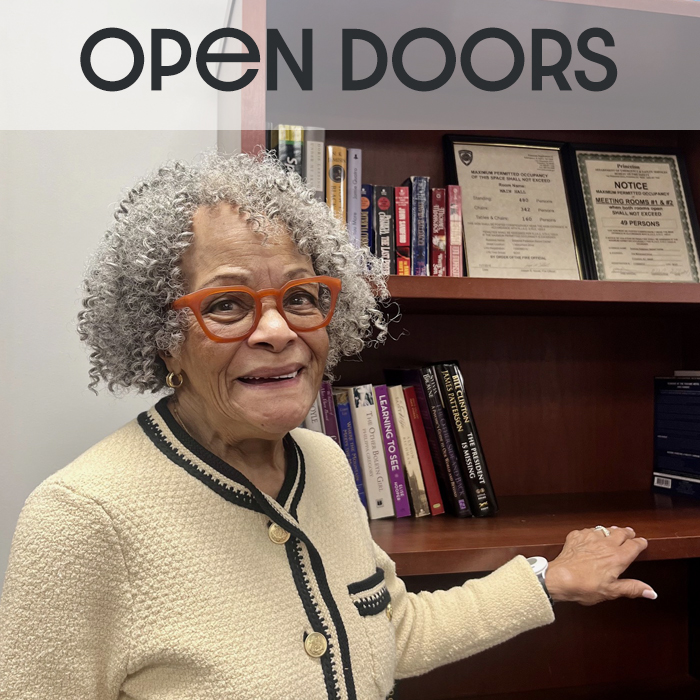
Rosetta Bruce

Rosetta Bruce: Embracing community and connection

“I’m Rosetta Bruce. For many years, I’ve been involved with the Center for Modern Aging Princeton. Hosting lunches and gathering wonderful women from all walks of life has always been a joy for me. The Center is more than just a place; it’s a space where diversity thrives, where people come together to share, connect, and celebrate life.

Attending events like Taste Around the World or Bingo always reminds me of the magic that happens when we gather. Meeting new faces — women I hadn’t known before — and making plans to reconnect is such a joy. The sense of fellowship here is unmatched, and it’s not just about the events, but about the lasting connections that grow from them. We remind each other to keep coming back, and we support one another outside of the Center, too.

For me, these social connections are essential for my mental and emotional well-being. Without them, I would be sitting in my apartment, alone and disconnected. But when I come here, I feel energized, happy, and surrounded by people who understand and lift me up. It’s a space where age, background, and experiences don’t matter. We are all here to enjoy life, learn from one another, and grow together.

Though I’ve moved to Plainsboro, Princeton will always be home to me. I lived there for sixty-five years, and the memories of raising my children in that house will forever be with me. But stepping into the Nancy S. Klath Center for Lifelong Learning always brings back those warm feelings of belonging. This is a place for everyone — where we come together, regardless of where we’ve come from, to share in the joy of connection and community.”

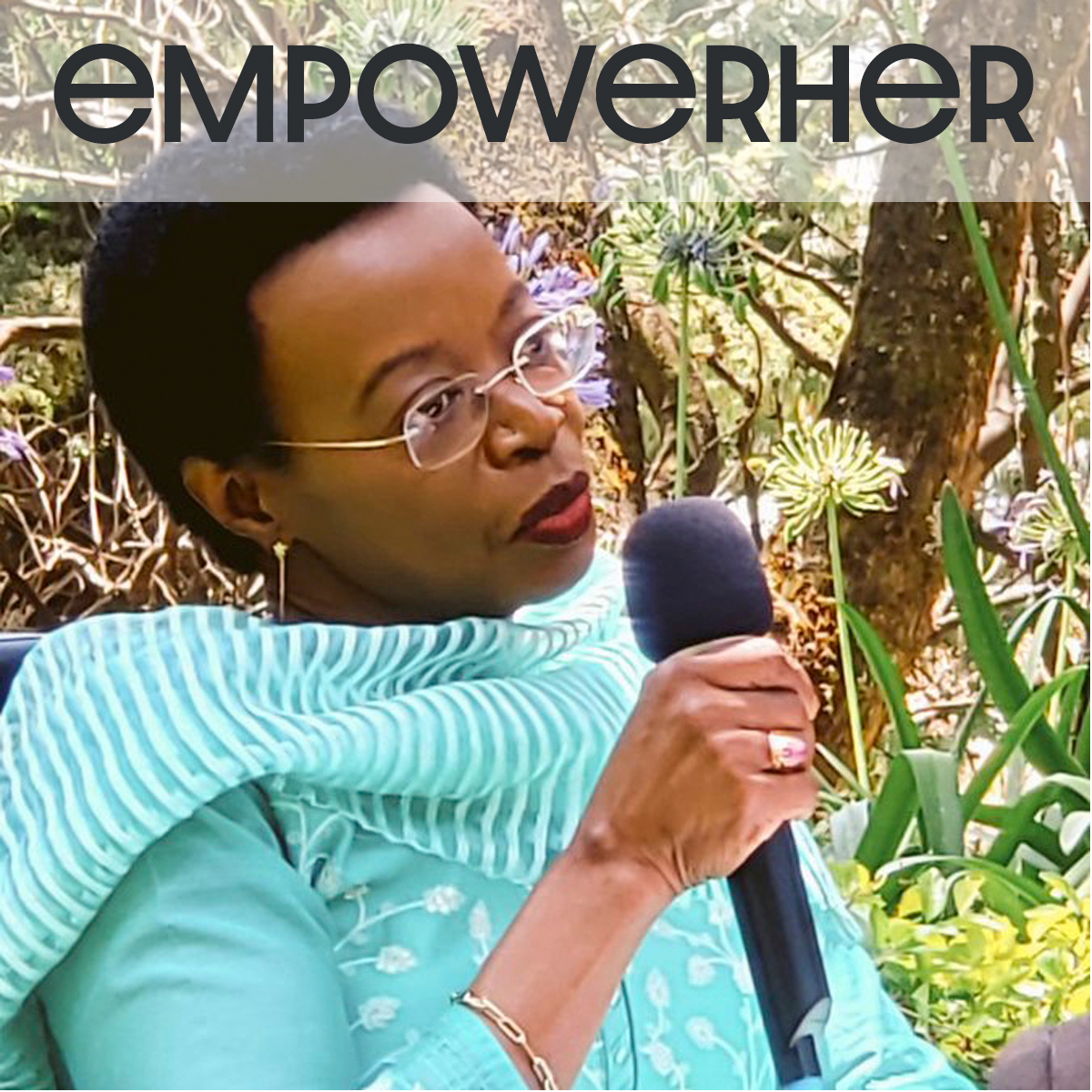
EmpowerHer Speaker Series: Suzanne Ngo-Mandong

Leadership in action: Suzanne Ngo-Mandong and the global fight for equity

EmpowerHer, a series amplifying the voices of transformative women, welcomed Suzanne Ngo-Mandong to its stage to discuss the global fight for gender equity and human rights.

On a crisp November morning in Princeton, Suzanne Ngo-Mandong took the stage to share her story as part of the EmpowerHer series — a program dedicated to amplifying the voices of transformative women. With a calm yet powerful presence, Suzanne guided the audience through her journey from Cameroon to the global stage, shedding light on the challenges and triumphs that have defined her life

The room, filled with attentive men and women, became a space for deep reflection on resilience, gratitude, and leadership. Suzanne described her life as “a rainbow of colors, each representing challenges and achievements that together form a resilient and hopeful whole.

From Cameroon to the global stage

Suzanne was born in Cameroon, a country celebrated for its cultural diversity but burdened by deep inequalities. “In my region, we are known for our strong will and attachment to culture and social values,” she said. Her childhood was shaped by a visionary father who saw her potential beyond societal barriers. Yet, her journey was far from easy.

At age eighteen, Suzanne became a young mother in Moscow, where her diplomat husband was posted. “Balancing motherhood, marriage, and education wasn’t easy, but giving up was never an option,” she recalled. With discipline and community support, she completed her studies and became the first college graduate in her family. Her professional life began in diplomacy but truly flourished in humanitarian work, where she spearheaded key initiatives for the United Nations Population Fund (UNFPA).

Challenges on the ground: Health, gender, and humanity

In her talk, Suzanne shared candidly about the harsh realities she encountered in her work, particularly in humanitarian crises. Her stories left the audience in awe, offering glimpses into the daily struggles of women and girls:

  • The deaf and mute girl: A twelve-year-old survivor of rape who became pregnant, her resilience deeply moved Suzanne. “What struck me was her gratitude for not contracting HIV and her determination to continue her education to build a brighter future for herself and her son.”
  • The woman with obstetric fistula: In Burundi, a woman lived for more than fifty years with this debilitating condition, which isolated her from her community. Thanks to UNFPA’s programs, she regained her health, dignity, and place in society.
  • Displaced mothers: Suzanne described women who risk their lives gathering firewood, knowing their husbands might be killed if sent instead. “These women embody resilience,” she said.

Through these stories, Suzanne emphasized that sexual and reproductive health is not only a fundamental human right but also a cornerstone for gender equality and sustainable development.

Resilience and positive masculinity: The pillars of change

While celebrating the role of women, Suzanne highlighted the importance of male allies. “Positive masculinity is essential for advancing women’s rights. Men must not be bystanders but active partners in this journey.”

She expressed gratitude for the men who supported her, from her father to her husband, who stood by her choices. “Gender equity isn’t a favor — it’s a shared responsibility,” she affirmed.

A call to action: Inspiring future generations

For Suzanne, leadership goes beyond personal achievements; it’s about collective impact. “We can’t transform the world alone. We need communities that work together, leaders who inspire, and people who act with purpose,” she declared.

She closed her talk by encouraging attendees to reflect on their roles in creating a more equitable world. “Invest in younger generations. They need our stories, our guidance, and our example,” she said.

EmpowerHer seeks to do exactly that: unite voices, inspire action, and foster connections across generations. Suzanne Ngo-Mandong not only shared her story but also ignited a spark of commitment in each attendee, reminding all that meaningful change begins with small actions and big intentions.

Rhythms and Roots – “Khruangbin”

Rhythms and Roots: A Musical Journey with Nick
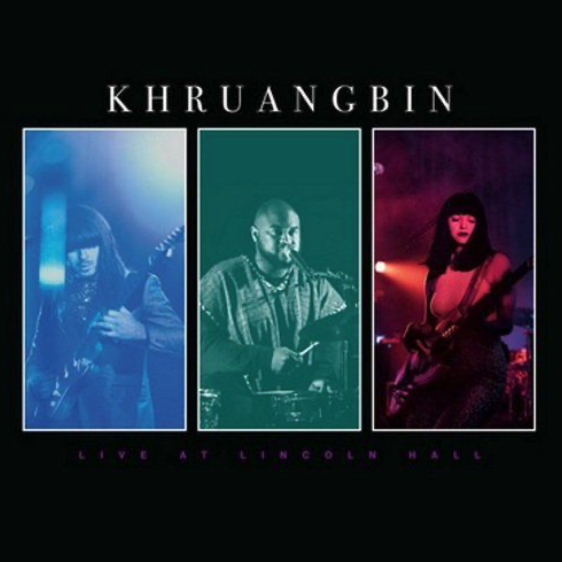
Khruangbin, A Global Musical Journey

As part of our ongoing Rhythms and Roots series, this October, Nick brings us Khruangbin, a Texas-based band with a truly unique sound. Known for blending global influences like classic soul, dub, psychedelic rock, and Thai funk, Khruangbin takes us on a musical journey that spans the globe. Their ability to incorporate these diverse elements into cohesive, atmospheric music has earned them worldwide recognition. Here, Nick dives into what makes Khruangbin such a standout band and why their music is perfect for our audience at the Center for Modern Aging Princeton.

The band’s story begins in 2004 when guitarist Mark Speer met drummer Donald “DJ” Johnson while they were playing in a gospel band at a church in Houston, Texas. At the time, DJ wasn’t even playing drums but the organ, while Mark played guitar. After one of their sessions, they went out for drinks, where Mark shared his vast knowledge of global music — a passion that would eventually shape Khruangbin’s distinctive sound. DJ described him as a “music encyclopedia,” something that resonates with me personally and is part of what makes Khruangbin so captivating.

It wasn’t until 2007 that Mark crossed paths with bassist Laura Lee Ochoa (often referred to as Laura Leezy). They met through mutual friends and bonded over a shared love of Afghan music and Middle Eastern architecture. Laura, who had previously trained on piano and guitar, learned to play bass under Mark’s guidance. Eventually, the two decided to form their own band, experimenting with bass-heavy, psychedelic sounds. They then brought DJ in to add simple breakbeats, and Khruangbin was born. Interestingly, the name “Khruangbin” comes from the Thai word for airplane, a nod to Laura’s fascination with the language. Looking back, the band has said they would never have chosen such a difficult name to pronounce had they known how successful they’d become!

Q: What makes Khruangbin’s blend of global music influences, like classic soul and psychedelia, stand out in today’s music scene?

Nick: What makes Khruangbin so special is the seamless way they incorporate global influences. When they first emerged, there was nothing like them — this mix of Thai psychedelic funk, Middle Eastern rhythms, and Latin influences all blended with soul and rock. Over time, they’ve perfected their sound, evolving without straying too far from their roots. Every album introduces something new but keeps that global influence at the core, making their music a melting pot of cultures and styles.

Q: How do you think Khruangbin’s diverse sound resonates with the audience at the Center for Modern Aging Princeton?

Nick: I think Khruangbin’s music is incredibly accessible for our community. It’s melodic, relaxing, and non-invasive. There’s nothing harsh or aggressive about it, making it perfect for people who appreciate good, calming music. Many in our audience might not actively seek out newer music, but Khruangbin manages to bring a modern yet timeless sound that appeals to everyone, regardless of age. It’s proof that rock and good music aren’t dead — they just take on new forms.

Q: How does the band’s use of different cultural influences contribute to a sense of inclusion and diversity in their music?

Nick: Khruangbin exemplifies cultural appreciation over appropriation. Their music is a beautiful representation of the American melting pot, where different cultures can coexist and influence each other without erasing their origins. The band members are deeply connected to music from all over the world, and they bring those influences into the studio to create something truly unique. Their sound introduces listeners to genres they might not have explored before, expanding their musical horizons. It’s a celebration of diversity through sound, which is something we should all strive for — learning from other cultures and creating something new together.

Q: What’s the perfect setting or activity for someone at the Center to experience Khruangbin’s music for the first time?

Nick: The perfect setting would be a relaxing one — maybe sitting by the beach or enjoying a quiet evening at home. Khruangbin’s music is ideal for winding down or focusing, as it’s both melodic and rhythmic without being too distracting. It’s the kind of music you can put on while working, reading, or even meditating. Their sound sets a beautiful, mellow vibe that allows you to relax and escape into the music.

Q: Can you share what makes Khruangbin’s story and music so compelling for listeners who appreciate both innovation and tradition?

Nick: Khruangbin’s music manages to balance tradition and innovation perfectly. They’ve taken traditional global music — like 60s Thai funk — and made it their own. You can hear the original influences in their albums, but there’s always something fresh and modern. Their dedication to exploring global sounds while maintaining a cohesive identity makes their music stand out. It’s both familiar and innovative, a testament to how they’ve mastered their “box,” as Mark Speer puts it, while occasionally stepping out to add something new.

This October, let Khruangbin take you on a global journey through music. Whether you’re familiar with their sound or exploring them for the first time, this is a band that will broaden your horizons while soothing your soul.

Meet Siraya Snead

My name is Siraya Snead, and as I finish my internship at the Center for Modern Aging Princeton, I want to share my experience and what it has meant to me.

Starting this internship, I was driven by a desire to help others and explore the field of social work. I spent my days assisting seniors with their technology needs and offering companionship. It was a humbling experience to see how something as simple as helping someone with a phone or computer could make a significant difference in their day.

One of the most eye-opening aspects of my time here was realizing the depth of wisdom and life experience our seniors hold. Initially, I was hesitant about working with an older population, but I quickly learned how much they have to offer. Their resilience and stories have enriched my understanding of social work and the importance of genuine human connection.

Looking ahead, I’m eager to bring the skills and insights I’ve gained into my future endeavors. I’m particularly interested in working within the school system and supporting those affected by domestic violence and human trafficking. My time at the Center has solidified my commitment to these goals, and I’m grateful for the experience.

Thank you to everyone at the Center for Modern Aging Princeton for this invaluable experience. Your support has meant the world to me, and I’m excited to continue my journey in social work with the lessons I’ve learned here.

Meet Nancy Watson

Nancy Watson: A Journey of Faith, Art, and Resilience

Hello, I’m Nancy Watson. My mother, an incredible artist, has always been a source of inspiration for me. From a young age, I followed in her footsteps and studied at the Philadelphia College of Art, now known as the University of the Arts. However, on June 7, 2024, the university closed its doors, leaving us with many questions and challenges.

During the turbulent times of the Civil Rights Movement, I moved to the suburbs with my children in search of a safer environment. We settled on John Street in Princeton, where I found peace and a welcoming community. Although I left the city, I couldn’t escape personal struggles. I faced severe health issues, including rheumatic heart disease and a troubled marriage. I felt trapped, but my faith provided me with a new purpose and the strength to accept what I could not control.

Faith gave me the strength to move forward. I began taking small jobs, using my art for Bible schools and daycares. I went back to school to earn credits in graphics and watched my children grow and receive scholarships for their education. Despite ongoing health problems and additional heart surgeries, the support from Social Security and my faith community was crucial.

My artistic journey continued with work for CLC Publications and WEC International. Eventually, I started my own business creating cards and prints from my paintings. Over the years, I’ve learned to appreciate the beauty of life’s journey and the strength found in faith and community support. My life is a testament to faith, resilience, and the power of mutual support. As I always say with gratitude: “To God be the glory for the things He has done.”

BE THE FUEL

MAKE A DONATION TODAY

Your generosity is truly the fuel that empowers CMAP to change lives and to help older adults discover their “why!”

We invite you to donate to the 2023–2024 Annual Giving Campaign by June 30 to help us reach our goal.