Important Update: Temporary Closure of the Nancy S. Klath Center Due to water damage, the Nancy S. Klath Center (101 Poor Farm Road) is temporarily closed for construction. For your safety, please do not visit the building. We will share updates as soon as it is ready to reopen.

For Many Patients Leaving the ICU, the Struggle Has Only Just Begun

The accident happened in Pittsburgh on November 16. Joseph Masterson, a lawyer who was just days from retiring at age sixty-three, suffered cardiac arrest while driving, plowed into a guardrail, and lost consciousness.

Other drivers stopped, broke the car window, and pulled him to safety. A passing volunteer firefighter performed CPR until an ambulance arrived to take Masterson to UPMC Mercy hospital.

He spent eighteen days in the medical intensive care unit there, forteen of them on a ventilator. He developed delirium, a common ICU condition, and needed antipsychotic drugs. Despite a feeding tube, he lost weight. “We honestly weren’t confident that he would pull through,” said Ron Dedes, his brother-in-law.

But he did. Masterson was discharged February 1 and returned home with near-constant family support. Working diligently with several kinds of therapists, he has regained his ability to walk, despite lingering weakness, and to manage his personal care. His once-garbled speech has markedly improved. He can make himself a sandwich.

Now, “our biggest concern is his memory,” Dedes said. Masterson, who so recently handled complex legal matters, forgets conversations and events that happened a few hours earlier, said Patti Dedes, his sister. He can’t yet operate a microwave or place a phone call.

In an interview, he described himself, accurately, as “much, much better than I was” — but misstated his age. Screening tests after his discharge indicated cognitive impairment and depression.

Among critical-care doctors, prolonged symptoms like his are known as “post-intensive care syndrome,” or PICS. The fallout can be physical or psychological, as well as cognitive, and can persist for months or years.

Bottom of Form

More than five million people annually are admitted to intensive care across about 5,000 American hospitals, and research shows that more than half experience such aftereffects. Older age increases the odds.

Patients and families are often startled by these continuing difficulties. “The belief is that they’ll be discharged from the hospital and in two or three weeks, they’ll be back to normal,” said Brad Butcher, who was Masterson’s doctor and wrote about PICS recently in the medical journal JAMA. “That doesn’t comport with reality.”

In fact, with greater ICU use and improved treatments — the Society of Critical Care Medicine estimates that 70% to 90% of adults now survive their stays — the population likely to encounter the syndrome is growing.

“Everyone is grateful that the patient has survived,” said Lauren Ferrante, a pulmonary critical-care doctor and researcher at the Yale School of Medicine. “But that’s just the start of a long road to recovery.” In a study of patients 70 and older that she co-authored, within six months after discharge only about half had returned to their pre-ICU functional ability.

Intensive care patients face a long list of challenges. PICS symptoms range from the physical — weakness, pain, neuropathy (tingling in arms and legs), and malnutrition — to mental health concerns, primarily anxiety and depression. Cognitive difficulties like Masterson’s are commonplace, including problems with memory, attention and concentration, and language.

“For many people, surviving a critical illness is a life-altering experience,” Butcher said. Patients in intensive care after emergency or elective surgery also have high rates of new physical, mental, and cognitive problems a year later.

The same aggressive treatments that save lives contribute to the syndrome. Intensive care patients “have some sort of dramatic organ failure that requires immediate attention” and constant monitoring, explained Carla Sevin, a pulmonary critical-care doctor who directs the ICU Recovery Center at Vanderbilt University Medical Center.

That could mean a breathing tube attached to a ventilator, which in turn often requires sedating drugs. Sedation “can precipitate delirium, and delirium is the key factor in cognitive symptoms,” Butcher said.

It doesn’t help that constant beeps and alarms from monitors and round-the-clock bright lighting disrupt sleep, and that restrictive family visiting hours deprive patients of reassuring faces and voices.

Gregory Matthews, a retired accountant in St. Petersburg, Florida, spent nearly a month in an ICU after a lung transplant in 2014. He still vividly remembers his hallucinations, including mice running across the wall and someone trying to frame him for drug running.

“One day, I thought a doctor was an assassin — I could see the rifle,” said Matthews, now eighty. “So I jumped out of bed,” he said, and yanked out his IVs. The staff put his arms in restraints for days.

But immobilization exacts its own toll as patients quickly lose muscle mass and strength. “Our bodies were not meant to lie in bed all day,” Ferrante said.

Psychologically, “PTSD is pretty common, similar to what’s seen in combat veterans or sexual assault survivors,” Sevin said, referring to post-traumatic stress disorder. Families can suffer anxiety and depression along with the patients.

Alarmed by such discoveries, doctors and administrators at about thirty-five U.S. hospitals have established post-ICU clinics, where teams of doctors, nurses, pharmacists, therapists (physical, occupational, cognitive, speech), and social workers screen for a host of conditions and help guide patients through them.

Vanderbilt’s clinic saw its first patient in 2012. The Critical Illness Recovery Center at the University of Pittsburgh Medical Center, which Butcher founded in 2018, works with about one hundred patients a year, including Masterson. Yale opened its clinic in 2022.

They rely on six practices recommended by the Society of Critical Care Medicine that are shown to significantly reduce post-ICU symptoms. The measures call for changes such as using lighter sedation, getting patients up and moving earlier, testing their breathing daily to wean them from ventilators sooner, and removing restrictions on family visiting.

Clinics often offer support groups for patients and families. There’s evidence that keeping an ICU diary, in which patients and caregivers record their experiences, and engaging in exercise and physical rehabilitation improve mental health after discharge.

Also on the clinics’ agenda: discussions of what other options patients might prefer if they face another critical illness, as many do. Would they agree to undergo intensive care and risk its aftereffects again? Or choose palliative care, which emphasizes comfort rather than cure? Some post-ICU patients remain permanently impaired.

Butcher, although he said that the use of the new practices needed to expand dramatically, sounded optimistic about the future of critical care. “We’re going to find better diagnostic tools, better preventive strategies, and better therapies,” he said.

For now, though, the ICU experience remains disorienting and sometimes traumatic. When Butcher asked 117 patients in his post-ICU clinic those next-time questions, many wanted to place limits on further medical interventions.

About a third would want to lower the level of aggressive care. Of those, about a quarter would want “do not resuscitate” and “do not intubate” orders, and almost 7% said they never wanted to return to an ICU.

Masterson is working hard to further his recovery. “I haven’t been out and about much,” he said. “I’ve been kind of homebound.” He hopes to get strong enough to resume running — he used to log three to four miles several times a week.

The future for patients contending with post-ICU syndrome often depends on their physical, mental, and cognitive health before their admission. Masterson’s previous fitness and cognitively demanding work bode well for his further progress, Butcher said.

His family remains alternatively hopeful and worried. “Down the road, what’s it going to be like?” Dedes, his brother-in-law, wondered. “We just take it day by day.”

The New Old Age is produced through a partnership with The New York Times.
Maybe It’s Not Just Aging. Maybe It’s Anemia.

Anemia is a common condition that can have serious medical consequences, but doctors often fail to recognize it. Journalist Paula Span investigates the situation here and has suggestions for patients. KFF Health News posted her column on July 17, 2025. It also ran in the New York Times. Funding from the Silver Century Foundation helps KFF Health News produce articles (like this one) on longevity and related health and social issues. 

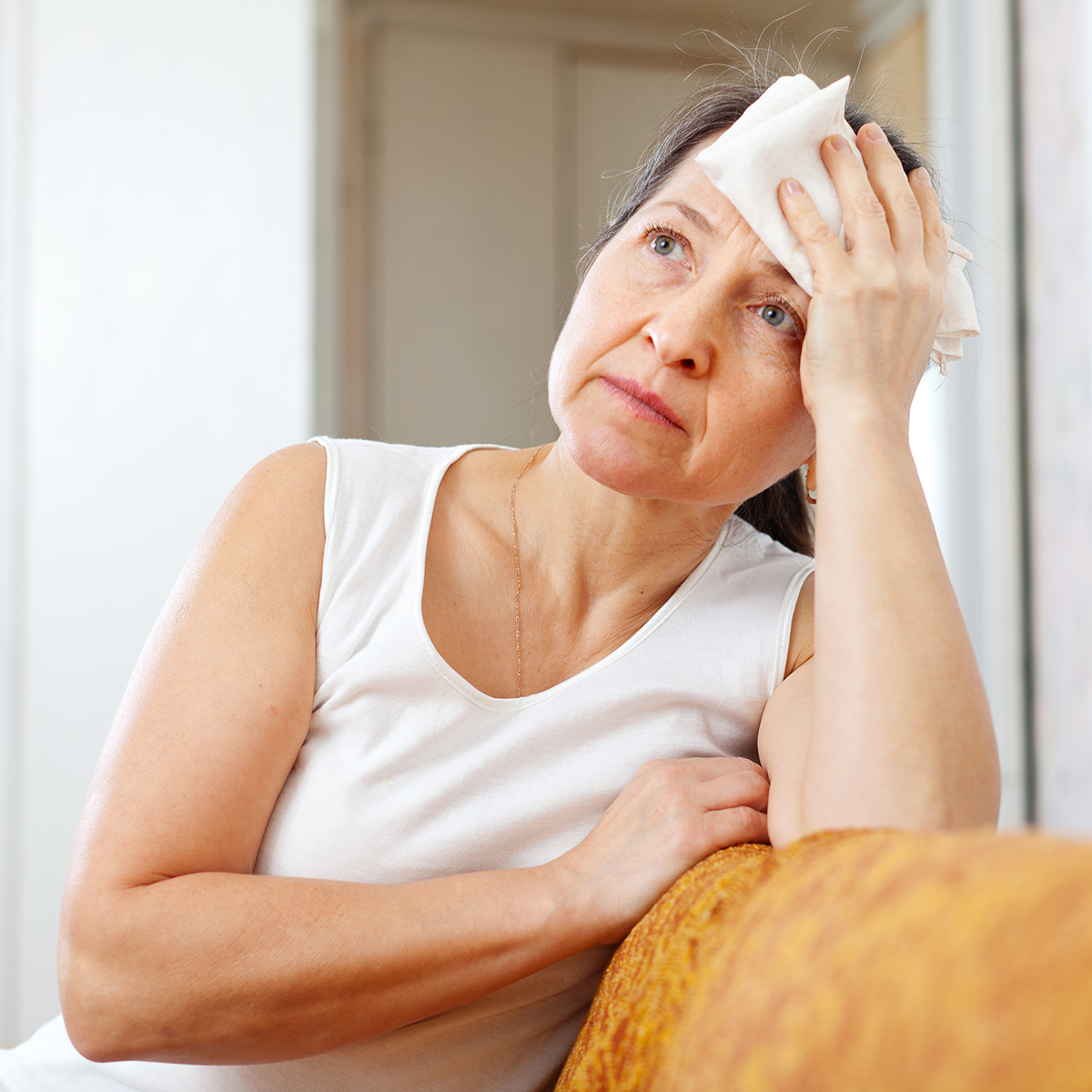
Gary Sergott felt weary all the time. “I’d get tired, short of breath, a sort of malaise,” he said. He was cold even on warm days and looked pale with dark circles under his eyes.

His malady was not mysterious. As a retired nurse anesthetist, Sergott knew he had anemia, a deficiency of red blood cells. In his case, it was the consequence of a hereditary condition that caused almost daily nosebleeds and depleted his hemoglobin, the protein in red blood cells that delivers oxygen throughout the body.

But in consulting doctors about his fatigue, he found that many didn’t know how to help. They advised Sergott, who lives in Westminster, MD, to take iron tablets, usually the first-line treatment for anemia.

But like many older people, he found a daily regimen of four to six tablets hard to tolerate. Some patients taking iron complain of severe constipation or stomach cramps. Sergott felt “nauseated all the time.” And iron tablets don’t always work.

After almost fifteen years, he found a solution. Michael Auerbach, MD, a hematologist and an oncologist who is the co-director of the Center for Cancer and Blood Disorders in Baltimore, suggested that Sergott receive iron intravenously instead of orally.

Now Sergott, seventy-eight, gets an hourlong infusion when his hemoglobin levels and other markers show that he needs one, usually three times a year. “It’s like filling the gas tank,” he said. His symptoms recede, and “I feel great.”

His story reflects, however, the frequent dismissal of a common condition, one that can not only diminish older adults’ quality of life but also lead to serious health consequences, including falls, fractures and hospital stays.

One study found that 20 percent of nearly 2,000 people who were tested were anemic.

Anemia’s symptoms—tiredness, headaches, leg cramps, coldness, decreased ability to exercise, brain fog—are often attributed to aging itself, William Ershler, MD, a hematologist and researcher said. (Some people with anemia remain asymptomatic.)

“People say, ‘I feel weak, but everybody my age feels weak,’” Ershler said.

Even though hemoglobin levels are likely to have been included in their patients’ records, as part of the complete blood count, or CBC, routinely ordered during medical visits, doctors often fail to recognize anemia.

“The patients come to the clinic and get the blood tests, and nothing happens,” he said.

Anemia affects 12.5% of people over sixty, according to the most recent survey data from the National Health and Nutrition Examination Survey, and the rate rises thereafter.

But that may be an underestimate. In a study published in the Journal of the American Geriatrics Society, Ershler and his colleagues examined the electronic health records of almost 2,000 outpatients over sixty-five at Inova, the large health system based in Northern Virginia from which he recently retired.

Based on blood test results, the prevalence of anemia was much higher: about one in five patients was anemic,  with hemoglobin levels below normal as defined by the World Health Organization.

Yet only about a third of those patients had anemia properly documented in their medical charts.

One possible cause of anemia: blood loss, due to internal bleeding from ulcers, polyps, diabetes or other disorders.

Anemia “deserves our attention, but it doesn’t always get it,” said George Kuchel, MD, a geriatrician at the University of Connecticut, who wasn’t surprised by the findings.

That’s partly because anemia has so many causes, some more treatable than others. In perhaps a third of cases, it arises from a nutritional deficiency—usually a lack of iron—but sometimes of vitamin B12 or folate (called folic acid in synthetic form).

Older people may have decreased appetites or struggle to shop for food and prepare meals. But anemia can also follow blood loss from ulcers, polyps, diabetes and other causes of internal bleeding.

Surgery can also lead to iron deficiency. Mary Dagold, eighty-three, a retired librarian in Pikesville, MD, underwent three abdominal operations in 2019. She remained bedridden for weeks afterward and needed a feeding tube for months. Even after she healed, “the anemia didn’t go away,” she said.

She remembers feeling perpetually exhausted. “And I knew I wasn’t thinking the way I usually think,” she added. “I couldn’t read a novel.” Her primary care doctor and Auerbach both advised that oral iron was unlikely to help.

Iron tablets, available over the counter, are inexpensive. Intravenous iron, becoming more widely prescribed, can cost $350 to $2,400 per infusion depending on the formulation, Auerbach said.

Some patients find a single dose sufficient, while others will need regular treatment. Medicare covers it when tablets are hard to tolerate or ineffective.

For Dagold, a twenty-five-minute intravenous iron infusion every five weeks or so has made a startling difference. “It takes a few days, and then you feel well enough to go about your daily life,” she said. She has returned to her water aerobics class four days a week.

In about one-third of cases, the cause of the patient’s anemia is never pinned down. 

In other cases, anemia arises from chronic conditions like heart disease, kidney failure, bone marrow disorders or inflammatory bowel diseases.

“These people don’t lack iron, but they’re not able to process it to make red blood cells,” Kuchel said. Since iron supplements won’t be effective, doctors try to address the anemia by treating patients’ underlying illnesses.

Another reason to pay attention: “Loss of iron can be the first harbinger of colon cancer and stomach cancer,” Kuchel pointed out.

In about a third of patients, however, anemia remains frustratingly unexplained. “We’ve done everything, and we have no idea what’s causing it,” he said.

Learning more about anemia’s causes and treatments might prevent a lot of misery down the road. Besides its association with falls and fractures, anemia “can increase the severity of chronic illnesses—heart, lung, kidney, liver,” Auerbach said. “If it’s really severe and hemoglobin goes to life-threatening levels, it can cause a heart attack or stroke.”

Among the unknowns, however, is whether treating anemia early and restoring normal hemoglobin will prevent later illnesses. Still, “things are happening in this field,” Ershler said, pointing to a National Institute on Aging workshop on unexplained anemia held last year.

The American Society of Hematology has appointed a committee on diagnosing and treating iron deficiency and plans to publish new guidelines next year. The Iron Consortium at Oregon Health & Science University convened an international panel on managing iron deficiency and recently published its recommendations in The Lancet Haematology.

In the meantime, many older patients can gain access to their CBC results and thus their hemoglobin levels. The World Health Organization defines thirteen grams of hemoglobin per deciliter as normal for men, and twelve for nonpregnant women (though some hematologists argue that those thresholds are too low).

Asking health care providers about hemoglobin and iron levels, or using a patient portal to check the numbers themselves, could help patients steer conversations with their doctors away from fatigue or other symptoms as inevitable results of aging.

Perhaps they’re signs of anemia, and perhaps it’s treatable.

“Chances are, you’ve had a CBC in the last six months or a year,” Kuchel said. “If your hemoglobin is fine, great.”

But, he added, “If it’s really outside the normal boundaries, or it’s changed compared to a year ago, you need to ask questions.”

Vaccines Are Helping Older People More Than We Knew

Let’s be clear: The primary reason to be vaccinated against shingles is that two shots provide at least 90% protection against a painful, blistering disease that a third of Americans will suffer in their lifetimes, one that can cause lingering nerve pain and other nasty long-term consequences.

The most important reason for older adults to be vaccinated against the respiratory infection RSV is that their risk of being hospitalized with it declines by almost 70% in the year they get the shot, and by nearly 60% over two years.

And the main reason to roll up a sleeve for an annual flu shot is that when people do get infected, it also reliably reduces the severity of illness, though its effectiveness varies by how well scientists have predicted which strain of influenza shows up.

But other reasons for older people to be vaccinated are emerging. They are known, in doctor-speak, as off-target benefits, meaning that the shots do good things beyond preventing the diseases they were designed to avert.

The list of off-target benefits is lengthening as “the research has accumulated and accelerated over the last 10 years,” said William Schaffner, an infectious disease specialist at Vanderbilt University Medical Center in Nashville, Tennessee.

Some of these protections have been established by years of data; others are the subjects of more recent research, and the payoff is not yet as clear. The first RSV vaccines, for example, became available only in 2023.

Still, the findings “are really very consistent,” said Stefania Maggi, a geriatrician and senior fellow at the Institute of Neuroscience at the National Research Council in Padua, Italy.

She is the lead author of a recent meta-analysis, published in the British journal Age and Ageing, that found reduced risks of dementia after vaccination for an array of diseases. Given those “downstream effects,” she said, vaccines “are key tools to promote healthy aging and prevent physical and cognitive decline.”

Yet too many older adults, whose weakening immune systems and high rates of chronic illness put them at higher risk of infectious diseases, have not taken advantage of vaccination.

The Centers for Disease Control and Prevention reported last week that about 31% of older adults had not yet received a flu shot. Only about 41% of adults 75 and older had ever been vaccinated against RSV, or respiratory syncytial virus, and about a third of seniors had received the most recent covid-19 vaccine.

The CDC recommends the one-and-done pneumococcal vaccine for adults 50 and older. An analysis in the American Journal of Preventive Medicine, however, estimated that from 2022, when new guidelines were issued, through 2024, only about 12% of those 67 to 74 received it, and about 8% of those 75 and older.

The strongest evidence for off-target benefits, dating back 25 years, shows reduced cardiovascular risk following flu shots.

Healthy older adults vaccinated against flu have substantially lower risks of hospitalization for heart failure, as well as for pneumonia and other respiratory infections. Vaccination against influenza has also been associated with lower risks of heart attack and stroke.

Moreover, many of these studies predate the more potent flu vaccines now recommended for older adults.

Could the RSV vaccine, protective against another respiratory illness, have similar cardiovascular effects? A recent large Danish study of older adults found a nearly 10% decline in cardiorespiratory hospitalizations — involving the heart and lungs — among the vaccinated versus a control group, a significant decrease.

Lowered rates of cardiovascular hospitalizations and stroke did not reach statistical significance, however. That may reflect a short follow-up period or inadequate diagnostic testing, cautioned Helen Chu, an infectious disease specialist at the University of Washington and co-author of an accompanying editorial in JAMA.

“I don’t think RSV behaves differently from flu,” Chu said. “It’s just too early to have the information for RSV, but I think it will show the same effect, maybe even more so.”

Vaccination against still another dangerous respiratory disease, covid, has been linked to a lower risk of developing long covid, with its damaging effects on physical and mental health.

Probably the most provocative findings concern vaccination against shingles, aka herpes zoster. Researchers made headlines last year when they documented an association between shingles vaccination and lower rates of dementia — even with the less effective vaccine that has since been replaced by Shingrix, approved in 2017.

Nearly all studies of off-target benefits are observational, because scientists cannot ethically withhold a safe, effective vaccine from a control group whose members could then become infected with the disease.

That means such studies are subject to “healthy volunteer bias,” because vaccinated patients may also practice other healthy habits, differentiating them from those not vaccinated.

Although researchers try to control for a variety of potentially confounding differences, from age and sex to health and education, “we can only say there’s a strong association, not a cause and effect,” Maggi said.

But Stanford researchers seized on a natural experiment in Wales in 2013, when the first shingles vaccine, Zostavax, became available to older people who had not yet turned 80. Anyone who had was ineligible.

Over seven years, dementia rates in participants who had been eligible for vaccination declined by 20% — even though only half had actually received the vaccine — compared with those who narrowly missed the cutoff.

“There are no reasons people born one week before were different from those born a few days later,” Maggi said. Studies in Australia and the United States have also found reductions in the odds of dementia following shingles shots.

In fact, in the meta-analysis Maggi and her team published, several other childhood and adult vaccinations appeared to have such effects. “We now know that many infections are associated with the onset of dementia, both Alzheimer’s and vascular,” she said.

In 21 studies involving more than 104 million participants in Europe, Asia, and North America, vaccination against shingles was associated with a 24% reduction in the risk of developing dementia. Flu vaccination was linked to a 13% reduction. Those vaccinated against pneumococcal disease had a 36% reduction in Alzheimer’s risk.

The Tdap vaccine against tetanus, diphtheria, and pertussis (whooping cough) is recommended for adults every 10 years, with vaccination among older adults often prompted by the birth of a grandchild, who cannot be fully vaccinated for months. It was associated with a one-third decline in dementia.

Other researchers are investigating the effects of shingles vaccination on heart attacks and stroke and of covid vaccination on cancer survival.

What causes such vaccine bonuses? Most hypotheses focus on the inflammation that arises when the immune system mobilizes to fight off an infection. “You have damage to the surrounding environment” in the body, “and that takes time to calm down,” Chu said.

The effects of inflammation can far outlast the initial illness. It may allow other infections to take hold, or cause heart attacks and strokes when clots form in narrowed blood vessels. “If you prevent the infection, you prevent this other damage,” Chu said.

Hospitalization itself, during which older patients can become deconditioned or develop delirium, is a risk factor for dementia, among other health problems. Vaccines that reduce hospitalization might therefore delay or ward off cognitive decline.

Health officials in the Trump administration have assailed childhood vaccines more than adult ones, but their vocal opposition may be contributing to inadequate vaccination among older Americans, too.

Many will not only miss out on the emerging off-target benefits but will remain vulnerable to the diseases the vaccines prevent or diminish.

“The current national policy on vaccination is at best uncertain, and in instances appears anti-vaccine,” said Schaffner, a former member of the CDC’s Advisory Committee on Immunization Practices. “All of us in public health are very, very distressed.”

The New Old Age” is produced through a partnership with The New York Times.
KFF Health News is a national newsroom that produces in-depth journalism about health issues and is one of the core operating programs at KFF—an independent source of health policy research, polling, and journalism. Learn more about KFF.

Older Americans Quit Weight Loss Drugs in Droves

Year after year, Mary Bucklew strategized with a nurse practitioner about losing weight. “We tried exercise,” like walking thirty-five minutes a day, she recalled. “And 39,000 different diets.”

But five pounds would come off and then invariably reappear, said Bucklew, seventy-five, a public transit retiree in Ocean View, Delaware. Nothing seemed to make much difference — until 2023, when her body mass index slightly exceeded forty, the threshold for severe obesity.

“There’s this new drug I’d like you to try, if your insurance will pay for it,” the nurse practitioner advised. She was talking about Ozempic.

Medicare covered it for treating Type 2 diabetes but not for weight loss, and it cost more than $1,000 a month out-of-pocket. But to Bucklew’s surprise, her Medicare Advantage plan covered it even though she wasn’t diabetic, charging just a $25 monthly copay.

Pizza, pasta, and red wine suddenly became unappealing. The drug “changed what I wanted to eat,” she said. As twenty-five pounds slid away over six months, she felt less tired and found herself walking and biking more.

Then her Medicare plan notified her that it would no longer cover the drug. Calls and letters from her health care team, arguing that Ozempic was necessary for her health, had no effect.

With coverage denied, Bucklew became part of an unsettlingly large group: older adults who begin taking GLP-1s and related drugs — highly effective for diabetes, obesity, and several other serious health problems — and then stop taking them within months.

That usually means regaining weight and losing the associated health benefits, including lower blood pressure, cholesterol, and A1c, a measure of blood sugar levels over time.

Widely portrayed as wonder drugs, semaglutide (Ozempic, Wegovy, Rybelsus), tirzepatide (Zepbound, Mounjaro), and related medications have transformed the treatment of diabetes and obesity.

The FDA has approved several GLP-1s for additional uses, too — including to treat kidney disease and sleep apnea, and prevent heart attacks and strokes.

“They’re being studied for every purpose you can conceive of,” said Timothy Anderson, a health services researcher at the University of Pittsburgh and author of a recent JAMA Internal Medicine editorial about anti-obesity medications.

(Drug trials have found no impact on dementia, however.)

People sixty-five and older represent prime targets for such medications. “The prevalence of obesity hovers around 40%” in older adults, as measured by body mass index, said John Batsis, a geriatrician and obesity specialist at the University of North Carolina School of Medicine.

The proportion of people with Type 2 diabetes rises with age, too, to nearly 30% at age sixty-five and older. Yet a recent JAMA Cardiology study found that among Americans sixty-five and up with diabetes, about 60% discontinued semaglutide within a year.

Another study of 125,474 people with obesity or who are overweight found that almost 47% of those with Type 2 diabetes and nearly 65% of those without diabetes stopped taking GLP-1s within a year — a high rate, said Ezekiel Emanuel, a health services researcher at the University of Pennsylvania and senior author of the study.

Patients sixty-five and older were 20% to 30% more likely than younger ones to discontinue the drugs and less likely to return to them.

What explains this pattern? As many as 20% of patients may experience gastrointestinal problems. “Nausea, sometimes vomiting, bloating, diarrhea,” Anderson said, ticking off the most common side effects.

Linda Burghardt, a researcher in Great Neck, New York, started taking Wegovy because her doctor thought it might reduce arthritis pain in her knees and hips. “It was an experiment,” said Burghardt, seventy-nine, who couldn’t walk far and had stopped playing pickleball.

Within a month, she suffered several bouts of stomach upset that “went on for hours,” she said. “I was crying on the bathroom floor.” She stopped the drug.

Some patients find that medication-induced weight loss lessens rather than improves fitness, because another side effect is muscle loss. Several trials have reported that 35% to 45% of GLP-1 weight loss is not fat, but “lean mass” including muscle and bone.

Bill Colbert’s cherished hobby for fifty years, reenacting medieval combat, involves “putting on 90 pounds of steel-plate armor and fighting with broadswords.” A retired computer systems analyst in Churchill, Pennsylvania, he started on Mounjaro, successfully lowered his blood glucose, and lost 18 pounds in two months.

But “you could almost see the muscles melting away,” he recalled. Feeling too weak to fight well at age seventy-eight, he also discontinued the drug and now relies on other diabetes medications.

“During the aging process, we begin to lose muscle,” typically half a percent to 1% of muscle weight per year, said Zhenqi Liu, an endocrinologist at the University of Virginia who studies the effects of weight loss drugs. “For people on these medications, the process is much more accelerated.”

Losing muscle can lead to frailty, falls, and fractures, so doctors advise GLP-1 users to exercise, including strength training, and to eat enough protein.

The high rate of GLP-1 discontinuation may also reflect shortages; from 2022 to 2024, these drugs temporarily became hard to find. Further, patients may not grasp that they will most likely need the medications indefinitely, even after they meet their blood glucose or weight goals.

Re-initiating treatment involves its own hazards, Batsis cautioned. “If weight goes up and down, up and down, metabolically it sets people up for functional decline down the road.”

Of course, in considering why patients discontinue, “a large part of it is money,” Emanuel said. “Expensive drugs, not necessarily covered” by insurers. Indeed, in a Cleveland Clinic study of patients who discontinued semaglutide or tirzepatide, nearly half cited cost or insurance issues as the reason.

Some moderation in price has already occurred. The Biden administration capped out-of-pocket payments for all prescriptions that a Medicare beneficiary receives ($2,100 is the 2026 limit), and authorized annual price negotiations with manufacturers.

The reductions include Ozempic, Wegovy, and Rybelsus, though not until 2027. Medicare Part D drug plans will then pay $274, and since most beneficiaries pay 25% in coinsurance, their out-of-pocket monthly cost will sink to $68.50.

Perhaps even lower, if agreements announced in November between the Trump administration and drugmakers Eli Lilly and Novo Nordisk pan out.

The bigger question is whether Medicare will amend its original 2003 regulations, which prohibit Part D coverage for weight loss drugs. “An archaic policy,” said Stacie Dusetzina, a health policy researcher at the Vanderbilt University School of Medicine.

The Trump administration’s November announcement would expand Medicare eligibility for GLP-1s and related medications to include obesity, perhaps as early as spring. But key details remain unclear, Dusetzina said.

Medicare should cover anti-obesity drugs, many doctors argue. Americans still tend to think that “diabetes is a disease and obesity is a personal problem,” Emanuel said. “Wrong. Obesity is a disease, and it reduces life span and compromises health.”

But given the expense to insurers, Dusetzina warned, “if you expand the indications and extent of coverage, you’ll see premiums go up.”

For older patients, often underrepresented in clinical trials, questions about GLP-1s remain. Might a lower maintenance dose stabilize their weight? Can doses be spaced out? Could nutritional counseling and physical therapy offset muscle loss?

Bucklew, whose coverage was denied, would still like to resume Ozempic. But because of a recent sleep apnea diagnosis, she now qualifies for Zepbound with a $50 monthly copay.

She has seen no weight loss after three months. But as the dose increases, she said, “I’ll stay the course and give it a shot.”

The New Old Age is produced through a partnership with The New York Times.
KFF Health News is a national newsroom that produces in-depth journalism about health issues and is one of the core operating programs at KFF—an independent source of health policy research, polling, and journalism. Learn more about KFF.

Gaming: A Way to Exercise Older Brains

Video games have always been part of Shawn Etheridge’s life. His interest was first sparked as a young teen, when he toted rolls of quarters to a nearby mall to play arcade games like Pong. As a young adult, as technology evolved, he began playing games like Call of Duty on his personal computer. Later, he even began playing online with his grandchildren, who chortled “Pop Pop” each time they spotted his avatar on the screen, leading Etheridge to adopt “2Pop” as his screen name. 

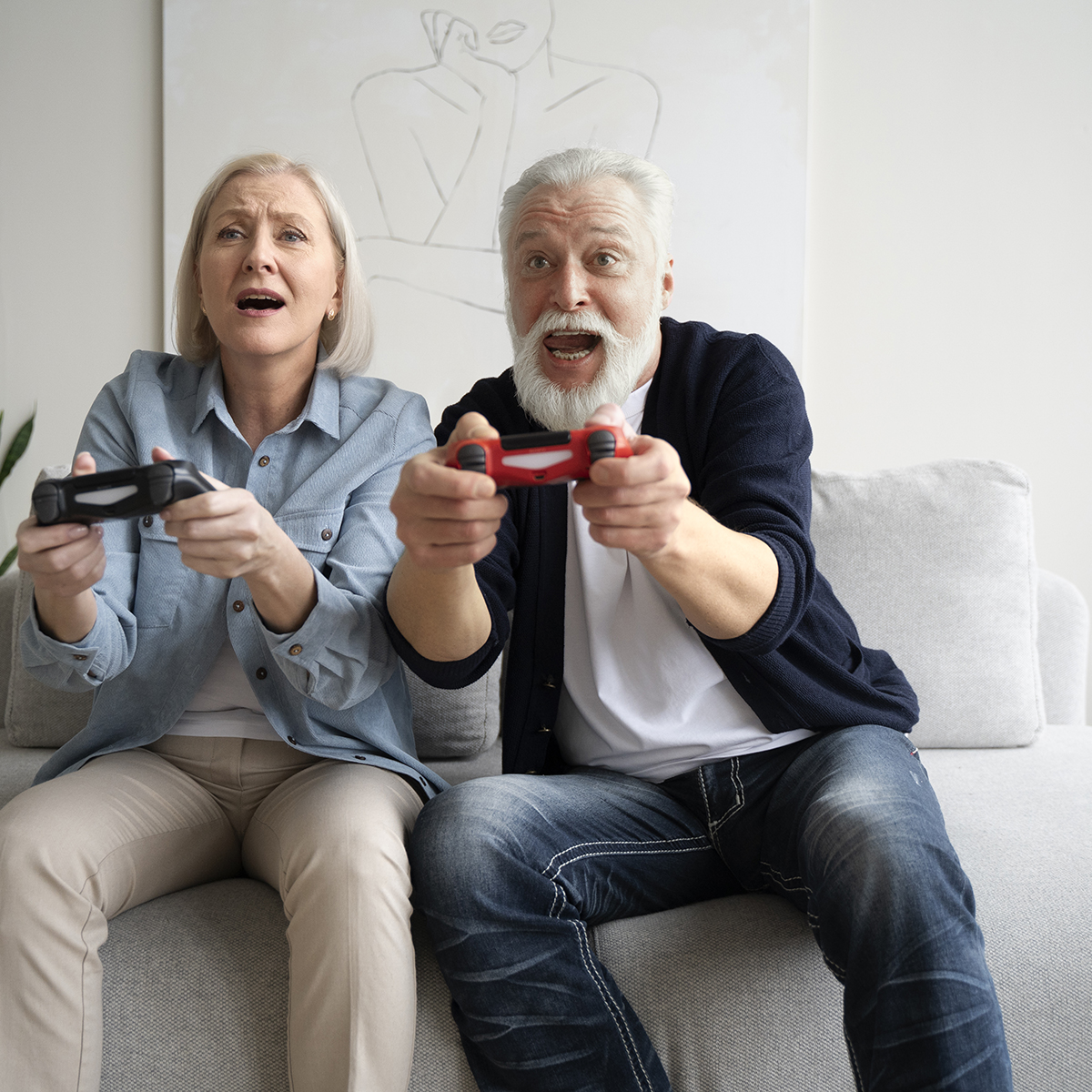
Now, at age 64, Etheridge unwinds after work each night by playing Halo while his wife watches her favorite TV show nearby. He mainly plays for fun, but as he gets older, he also thinks gaming keeps his brain limber. 

“The more you play, the more proficient you get, and I’ve got to believe that helps with cognition,” he said. 

Etheridge is one of some 57 million Americans over 50 who enjoy gaming, according to recent data from the Entertainment Software Association. Nearly half of Americans in their 60s and 70s play some form of PC, mobile or console video game every week, as do 36 percent of people in their 80s. 

The ranks of older gamers are growing too, by more than 12 million, an uptick of 30 percent from 2017 until 2023, according to AARP Research. Whether it’s a lifelong passion or a new endeavor, many older adults are discovering—or rediscovering—gaming as a source of entertainment, a way to stay socially connected and a tool to keep cognitive skills sharp.

Not Just Young Men 

Many assume “gamers” are teen or young adult males who play combat games. It is true that fast-paced, real-time games may be more challenging for older adults, as reaction times slow with age. And young “digital natives” can learn the ins and outs of games more quickly and adapt more easily to updates and changes. In fact, older adults are less likely to play video games on consoles such as Nintendo Switch or PlayStation Vita—only about 10 percent of those older than 70 own consoles, according to a 2020 AARP study. 

But there are many gaming options that offer a relatively level playing field for players of all ages, including older adults. There are role-playing games and world-building games, where people create virtual environments and characters. There are sports games, like NBA 2K, and simulated racing games, like iRacing.  

Some video games involve competing in real time against other players via the internet. But other games are turn-based (i.e. players take actions one after the other, rather than all at once, allowing time to think strategically without the pressure of immediate real-time action.) Many games offer the option to play alone, with the goal of “leveling up” or pursuing an objective rather than competing against others. 

Connecting older adults to games they’ll enjoy is a key goal of LevelUpLand, a program of the Franklin County Office on Aging in Columbus, OH. Its centerpiece is a weekly Senior Gaming Day. Participants 60 and up gather at a game arena to try PC games, console-based games, racing simulators and virtual reality headsets, all with the guidance of trained staff. Participants can also enjoy computer-based and online versions of card and board games. The program regularly attracts participants in their 80s and 90s; a 101-year-old is the oldest participant to date. 

Participants have formed a community. Many schedule doctors’ appointments around their weekly gaming day. If a regular fails to show up, someone calls to check on him or her. 

“Gaming provides a sense of community and a sense of belonging,” said Melita Moore, MD, founder of Levels Unlocked Enterprises, which partners with Franklin County to offer the program. 

In role-playing games, an older person’s life experience can be an asset. 

Discovering the right games to fit his changing skills and interests has kept Ian Russell, 63, involved in gaming throughout his life. His first foray in gaming was in his 20s, playing Dungeons and Dragons with a group of friends who are still meeting regularly today. His interest shifted to video games, but as he got older, Russell noticed his reaction skills diminishing, making it harder to compete with younger players in combat and racing games. 

“Your hand-eye coordination is just not as good or as quick when you’re older,” Russell said. “I find I’m less interested in real-time action and more interested in turn-based role-playing games,” which allow him time to consider each move. 

At the same time, Russell notes, the wisdom of older age sometimes comes in handy in role-playing games. As an example, he has played Thief, a game where players navigate a warren of streets in an unfamiliar urban environment, without the benefit of a GPS. 

“Navigating around a new town is something that I did in the past,” he said. “If you want to find the center of town, for example, I know that you look for a church spire. So, there’s a lived experience that helps me solve the puzzle.”

However, game developers often don’t design new games with easy access for older adults or newbies in mind. Just a little help from a tech-savvy person can go a long way in getting an older adult started. That’s another key advantage of LevelUpLand. For older adults with mobility challenges, program leaders offer accessibility options, such as an adaptive mouse for those with arthritis. Or they adjust the settings within individual games, such as fine-tuning the speed or changing camera angles to adapt for an older player’s abilities. 

LevelUpLand also serves as an educational platform to teach cybersecurity and “healthy digital lifestyles.” Older adults who venture online can be vulnerable, with risks, ranging from bullying and “trash talking” by other competitors, to frauds and scams. LevelUpLand’s online activities take place in secure private chat rooms on Discord, ensuring that scammers don’t have access. 

“We’re providing those guardrails so that older adults can be online, play and have fun in a safe environment,” said Chanda Wingo, director of the Office on Aging in Franklin County. 

Intergenerational Connections 

For many older adults, competition isn’t the goal. Many say gaming helps connect them with younger people.

Vinny Minchillo, 63, plays Pokémon and other “grandchild-appropriate” video games with his 6-year-old grandson. Both play on Nintendo Switch consoles—a regular one for Minchillo and a mini version for the grandson. 

Minchillo also enjoys playing more mature games like Assassin’s Creed on PlayStation 5. However, he doesn’t play against other competitors. Instead, he and his wife play collaboratively against the game. 

“I don’t keep up with everything that’s going on, which I’d need to do to be competitive,” he said. 

Gaming has also built a bond between Russell and his 25-year-old daughter, especially as she’s developed an interest in “vintage” games.

“She has become aware of the video and board games I played 30 years ago and has been buying revamped versions of those games,” he said. “I get a great deal of pleasure from playing them all over again. It’s a massive nostalgia kick.” 

Older people have become stars in the video-gaming world on YouTube

Gaming also opened an unexpected career avenue for Russell. As a voice actor, he has played a host of characters in online role-playing video games, such as Vernon Locke in Payday 3 and Abelard Werserian in Warhammer 40,000: Rogue Trader. With his booming, mature voice and British accent, Russell is a natural for “the wise, kindly old uncle” roles, he said with a laugh. His characters have a sizable fan base, most of them young adults, and Russell often converses with them via platforms like Reddit and X. 

“I get messages occasionally from young people who say, ‘This game helped me through a difficult time in my life,’” he said.  

Russell is far from the only older star in the video-gaming world. A few years ago, Lenovo sponsored the Silver Snipers, a team of over-60 gamers who competed in esports tournaments. There’s Shirley Curry, 89, aka “Gamer Grandma,” who built a following of 900,000 YouTube subscribers who watched video walk-throughs of her plays on The Elder Scrolls V: Skyrim, a role-playing game. And Michelle Statham, aka “TacticalGramma,” a 57-year-old grandmother who loves first-person shooter games. She calls her followers her “grandkids.” 

When she started posting, Statham assumed no one would watch, but younger players gravitated toward her friendly, supportive online persona. 

“Most people think that older people don’t play games or don’t like games,” she said. “Being an older female has helped me stand out.” 

Staying Sharp Cognitively

Research in recent decades has boosted awareness of gaming’s effects on older brains. A number of studies suggest that older people who played video games regularly showed significant improvement in cognitive functions, depressive symptoms, sleep quality and anxiety. One theory posits that video games may simulate novel environments, which are associated with improved memory. In one study, participants ages 60 to 80 played Angry Birds and Super Mario for 30 to 45 minutes per day for four weeks. The video game players showed improved memory compared to a control group that played a card game, Solitaire.

Further research is needed to tease out what types of video games might best support cognitive function. But according to research by the Entertainment Software Association, almost 90 percent of boomer and Silent Generation players cited “using my brain/keeping my mind sharp” as a key reason why they play video games, compared to just one in five Gen Z and millennials. 

And while some research suggests that extensive “screen time” may be harmful for young brains, engagement in technology seems to benefit older people’s brains. One recent analysis found that people over 50 who used computers, smartphones, the internet or a mix did better on cognitive tests, with lower rates of cognitive impairment or dementia diagnoses, compared to those who used technology less often or avoided it altogether.

Regardless of the research, many gamers are certain their game play boosts their cognitive function. 

“A thousand percent,” said Minchillo. “My PS5 controller has about a dozen different buttons and different combinations of buttons that do different things. To process all the information that’s coming at you very quickly and to respond to it in the appropriate manner—I think it’s great for my brain.” 

On the Unsung Pleasures of Very Long Friendships

I made my first real friend when I was 11 and she was 12. Marsha moved in on the block. Soon after, her mother saw my mother in the backyard and said she had a daughter about my age. My mother said, let her come for lunch. Marsha wrote me recently, “Loved your mom. I remember the first time we met and I had lunch at your house. We had grilled cheese w tomato.” That was 72 years ago. 

We had an enriched childhood together. Her jokes cracked me up. We played pickup sticks for hours, practicing the small motor control that would enable us to paint and draw later. We started a “firm” that didn’t do anything, but whose mere name, Morgan and White, let us believe we were real artists and writers. 

We argued about whether the modernist movie theater, the Midwood, was more beautiful than the baroque Loews Kings on Flatbush Avenue. We did puppet theater in her basement for neighborhood kids. We put out a newspaper of our doings called The Little Issue. Only my uncle Jack bought a copy; he paid 25 cents, probably to encourage writing, typing and doing layout. We started a novel that began “Doctor Boshkov pressed the tips of his well-manicured fingers together.” On the anniversary of the day we met, we had an outing to Manhattan.

Marsha visited me in college. She kept me from putting on a hoity-toity North Shore of Boston accent by laughing her head off the first time I tried it on. We shared the travails of dating. We did our first trip to Europe together, living on $5 a day, going our separate ways in museums as art lovers do and telling our finds at dinner.   

After college we never lived in the same city again. She married. I went to various graduate schools, married and settled around Boston. In the child-raising years, we saw little of each other but kept up. When she divorced, her ex-husband kindly called to tell me she would like to hear from me. We picked up the friendship again. I have one of her paintings where I see it every day. When her second husband died, when she moved, we talked more often.  

Nowadays, in our 80s, we email about our kids and grandkids, we discuss independent living and Continuing Care Retirement Communities. She’s as instinctually funny as she ever was. Her Facebook posts are either beautiful or a hoot. “Morgan and White” was a prologue to a working life: “Morgan” became a writer and “White” an artist—under our real names, of course.

I’m averse to nostalgia, I want to share my day to day and my opinions on the world’s current events. But it matters that I remember her parents, and she, mine. Marsha’s still one of my besties. She’s like my cousins—also childhood allies whose lives still crisscross with mine.

I’ve made newer friends, of course. But it’s delightful how many friends from college or graduate school are still lunchtime and Facetime and email pals. Andrea, in Andover, is a friend from college who became a bestie in our middle years, when both of us were starting second careers. 

Some friends are distant in space. Connie is in LA, Penny is in Baltimore, Caroline in Maine. I’m in touch by email with one middle school friend, two high school friends. My women college classmates meet on Zoom once a month. We are more politically alike than we used to be; we are all feminists now. 

Who said, “The last of life, for which the first was made”? It was Browning, of course, from “Rabbi Ben Ezra,” not a very good poem but worth it for this line. We never stop needing the old friends and relatives who have known us through many changes of our life course. Indeed, we cherish them more in later life, as some loved ones die and others move away. 

My granddaughter, starting college, meeting many people, goes through the normal selection and elimination processes. She seems enchanted by the fact that I have kept so many close friends from those youthful years. Being accompanied as she grows up: it must seem miraculous. 

My life course ahead, like everyone’s, is still unknown territory. I prize the companionship, while growing older. And it’s axiomatic that my friends and I have more in common now than we ever did. How could it be otherwise? Anecdote by anecdote, story by story, we add to the Memory Palace we share. 


Sex after Sixty-five: Friskier but Riskier

At eighty-one, Hélène Bertrand, MD, and her ninety-year-old husband continue to enjoy a fulfilling sex life. Once every week or two, they share intimate moments that lead to orgasm and, as Bertrand puts it, “a very good night’s sleep.”

“Over thirty-six years of marriage, we’ve learned the moves that our partners like and delight in giving each other pleasure,” said Bertrand, a retired physician. “Our satisfying sex life improves the quality of our marriage. You don’t have to be twenty years old to have a good sex life.” 

Research shows that many older adults maintain active sex lives well beyond sixty-five. According to a 2018 National Poll on Healthy Aging, 40% of those aged sixty-five to eighty are sexually active. Among respondents with a romantic partner, more than half reported engaging in sexual activity.  

Yet as the population ages, medical care has not kept pace with this reality. Gaps in knowledge and understanding persist. Senior living communities often lack policies that respect sexual expression, particularly for LGBTQ residents. Even health care professionals frequently underestimate or neglect the sexual needs of older adults, influenced by stereotypes that dismiss them as asexual or deem sex “unnecessary” after reproductive age. 

“Sexuality is a critical aspect of quality of life, yet it’s rarely discussed,” said Sivan Perdue, LCPAT, an art therapist certified in dementia care and sexual health.

The Longevity of Love

Several factors explain why older adults are enjoying more sexual longevity. Many are living longer, healthier lives. Those shaped by the sexual revolution often retain more open attitudes toward sexuality as they age. Medical advances, including treatments for erectile dysfunction, and hormonal therapies, have extended the potential for satisfying sex lives. 

For those seeking connections after the death of a partner or divorce, dating apps like OurTime and SeniorMatch open a wider pool of possible partners for romance and intimacy. One in six Americans ages fifty and older (17%) have tried using a dating site or app at least once, according to research from the Pew Research Center. 

“Today, older adults are more likely to participate in the hook-up culture of casual encounters and condomless sex,” according to a 2023 report in The Lancet, “Sexual activity of older adults: let’s talk about it.”

Positive portrayals of later-life romance in pop culture also play a role. Movies like It’s Complicated and TV series like Grace and Frankie show older adults embracing active sex lives and candidly discussing intimacy. Even reality TV, with shows like The Golden Bachelor, portrays romance as ageless.

Bertrand credits hormone therapy and a healthy lifestyle for the enduring intimacy she and her husband enjoy. Both have taken hormones since their fifties. She started using an estrogen patch in her fifties to counter menopause symptoms like depression, insomnia and hot flashes. Hormone therapy poses potential downsides—including a higher risk for breast cancer—but Bertrand thinks it’s worth the risk.

“Life’s too short,” she said.

Decreasing Libido

While 40% of older adults report they are sexually active, that leaves 60% who are not. It’s common for men and women to experience a gradual decline in libido beginning in their fifties, often triggered by factors like hormonal changes and chronic disease or disability. 

Sagging skin and other age-related physical changes may make some feel more inhibited sexually. Many medications prescribed to older adults can also dampen desire or affect functioning, including blood pressure medications, pain medications, statins and others. Obesity can interfere with sexual function, both at the hormonal and psychological level.

Some older adults simply lack partners. More than one-third of Baby Boomers aren’t currently married. Compared to previous generations, fewer Boomers got married in the first place, and among those who did, more ended up divorced or separated. Also, as people are living longer, the divorce rate for those fifty or older is rising. 

Some older adults lose partners to death. Jo McCormack (not her real name), seventy-two, grew up during the sexual revolution and made the most of it, enjoying multiple liaisons with men in her youth. She never married but entered a long-term, monogamous relationship in her thirties that lasted thirty-three years, until her partner’s death.

“We had a very satisfying sex life, but when he died, my libido died with him,” she said. “I’ve always had a lot of men in my life, but now, I have no desire.” 

Online dating does widen the pool of potential love matches for older adults—if they’re comfortable using dating apps. Some find the technology too daunting. And online dating can be frustrating. 

“Many of us [people over fifty] have to swim through a dispiriting sea of hundreds of people, most of whom we are unlikely to ever want to date,” writes Maggie Jones in the New York Times. “That includes profiles that are fake, created by scammers to try to lure private information from users. And while most profiles are real, sometimes their photos are not so much. More than one person told me that photos can be so outdated or filtered that they barely recognized their date when they met.”

Rising Risks

Increased sexual activity among older adults has coincided with a surge in STIs [sexually transmitted infections]. Between 2010 and 2023, STI rates among adults over sixty-five skyrocketed, with chlamydia tripling, gonorrhea increasing sixfold, and syphilis, nearly tenfold. Overall, STI rates among those fifty-five and older climbed from three to five cases per 100,000 in 2010 to 17.2 per 100,000 in 2020.

Despite these trends, older adults often lack basic STI knowledge. Few health care providers address sexual health with patients over sixty-five proactively. Among sexually active older adults, only 17.3% reported discussing sexual health with a provider in the past two years, and in most cases, patients initiated the conversation. 

Maggie Syme, PhD, a research psychologist at Massachusetts General Hospital, noted that the U.S. Preventive Services Task Force only recommends STI screening for patients up to age sixty-five. By contrast, doctors routinely ask younger patients about their sexual health and habits. For people ages sixteen to twenty-five, sex education is readily available in schools and colleges.

“But there are very few resources for older cohorts,” Syme said. “So, we have more older people engaging in sexual relations with new partners but lacking the resources and information to help them minimize risk.” 

Syme would like to see more public health campaigns aimed at older adults, such as the “Age is not a condom” social media campaign launched by ACRIA, an HIV-related nonprofit in New York state. 

If there’s one man with multiple partners in an assisted living community, that’s a recipe to start an STI outbreak.

—Martha Kempner

Condoms aren’t a foolproof solution, however. Condom use can pose practical challenges for older couples, cautions Leanna Wolfe, PhD, author of 177 Lovers and Counting: My Life as a Sex Researcher (Rowman and Littlefield, 2024.) 

“An older man needs a certain amount of stimulation, and a condom may not allow for that,” she said. Also, it’s difficult to apply a condom when the male isn’t fully erect, or if the couple is employing lubricants for vaginal dryness, a common problem for older women. (If condoms aren’t fail-safe, other preventive options include regular testing for STIs, limiting sexual partners to a mutually monogamous relationship, and possibly getting relevant vaccinations, such as HPV.)  

Many senior living communities lack policies that ensure residents’ safety while supporting their right to sexual expression. Sivan Perdue helps communities craft guidelines that address the reality of residents enjoying sexual activity. 

“It’s a matter of educating staff that sexuality is completely normal, that residents have a right to their privacy and that staff should not impose their beliefs,” she said.  “Policies should also ensure inclusivity for LGBTQ residents. No one should feel they have to go back into the closet in their later years.”

Residents living with dementia pose special issues. People with dementia have the right to sexual relationships if they desire them, Perdue adds. But whether an individual has the capacity to give consent is a complex question that requires careful, case-by-case consideration. 

The gender imbalance among older adults may also contribute to the rise in STIs, according to Martha Kempner, author of the Sex on Wednesday newsletter and co-author with Pepper Schwartz of 50 Great Myths of Human Sexuality (Wiley-Blackwell, 2015.) Because women live nearly six years longer than men, on average, there are fewer male partners available for older women. 

“If there’s one man with multiple partners in an assisted living community, that’s a recipe to start an STI outbreak,” Kempner said.  

Waning Desire

While more people are enjoying longer sex lives, sexual activity does change as people age. 

“I think the common misconception is that nothing works after a certain age,” Kempner said. “Things get a little more complicated as we age, but there are ways around that. Viagra and other performance enhancing treatments can help address erectile dysfunction in men. Lubricants can combat vaginal dryness.”

Developing a satisfying sex life in later life often means expanding one’s sexual vocabulary. 

“Many older adults have limited ideas of what constitutes ‘sex,’” according to Leanna Wolfe. “They think sex is only sex if it’s penile-vaginal intercourse.”

Partnered sex and intercourse may not be possible due to age-related issues such as arthritis, mobility limitations, effects of medication or serious health conditions. Oral sex, for example, often works better for older adults, according to Wolfe.  

Good communication, always key to a good sex life, is essential for older adults. However, sex is often a difficult topic to broach with a romantic partner, according to the National Poll on Healthy Aging. Only one in three respondents indicated they would talk to their partner about sexual health problems. 

But communication is critical for couples navigating changes in sexual desire. If both partners lose interest in sex in a relationship, that’s not necessarily a problem, but couples whose levels of interest and desire become unequal must negotiate those changes. Good communication can lead to effective compromises—like scheduling times for intimacy or agreeing to “maintenance sex” to enhance the relationship, even if one partner isn’t necessarily in the mood.  

To keep the spark alive, one woman sends her partner flirtatious text messages and makes sure he knows what “stokes the fire” for her.

When couples have unequal sex drives, it’s important not to sweep the issue under the rug, advises Maryon Stewart, author of Manage Your Menopause Naturally (New World Library, 2020.) 

“When your libido is low, expecting your partner to understand what is going on, without explaining, is an easy trap to fall into,” she said. 

Waning desire hasn’t happened with Lynn Johnson, sixty-two, and her seven-seven-year-old male partner. They’ve been together fifteen years.  

“We’re both a bit baffled by it,” she said. “That’s a long time to want someone badly. The best way I can describe it is chemistry.” 

Johnson was in a long marriage previously, which was sexless for many years. “I was determined never to be in a relationship again where that was the case,” she said. “I’m just really cognizant of how to keep that alive.” 

To keep the spark alive, Johnson incorporates playful gestures, like sending flirtatious text messages. She’s vocal with her partner about what “stokes the fire” for her, as well as what turns her off. If her partner spends too much time on his phone, or in his own head, she reminds him that that “dims the flame.”

That’s how good communication keeps the spark alive, Bertrand notes, and it’s important to be specific.  

“Tell your partner what pleases you and how you like it done,” she said. “Sex is a two-way street.”

At the Heart of Good Care

This is the last in a series of five blogs about nursing home care.

My old friend Billy called me recently to ask:

“What the hell is ‘person-centered care’ supposed to mean? I toured three nursing homes and each of them gave a different answer.”

Billy’s wife has vascular dementia, and it’s getting too difficult for him to handle her care at home. 

“I had been told to choose a home that gives person-centered care,” he told me, “but one home described that as ‘the person comes first’ though they couldn’t say exactly what that meant. Another said the person could choose what they wanted to eat at every meal. And the last one said they learn from the family all the person’s quirks and try to work around them.” 

Billy had stumbled upon the confusion that surrounds person-centered care. Although the term itself has become ubiquitous, sometimes it amounts to little more than a marketing tool. 

Institutions are slow and reluctant to change. True person-centered care overturns the relationship between the resident, the caregiver and the institution. It is based on what’s important to the one being cared for rather than what’s convenient for the organization. Consequently, it’s hard to implement and thus hard to find perfect examples.

But increasing numbers of care homes are making an effort to move in that direction, as shown in the responses to Billy’s question. What follows here will help you understand the basis of person-centered care, and how to recognize it even when it’s only partially implemented.

The first barrier to this kind of enlightened care is the widespread stigma affecting people living with any kind of dementia. Two private duty aides working for a good friend of mine assured me one day that my friend, who did not have dementia, was much better off at home because nursing homes were full of “demented people who don’t know anything anymore. There’s nothing inside their heads.” 

Care homes must screen their prospective staff for any sign of attitudes like those that devalue people living with cognitive disorders, because the way we view people affects how we treat them.

Good care begins with respect. That’s what is missing also in the following interactions.

We’ve all probably seen a worker in a busy nursing home come up to someone in a wheelchair, release the brakes and wheel them off somewhere without a word of greeting or any hint about where they’re headed. That amounts to treating someone like an object, not a valued human being. 

Janice arrived one morning to find an aide dressing her mother. She knew her mother could do most of it herself, but the caregiver had seven other people to dress that morning and said it was faster to do it all herself. 

Not allowing someone to use the abilities she has is disempowerment. 

In good care, the person is more important than the task. If supporting the person’s strengths is highly valued and the task comes second, the caregiver will facilitate the resident dressing herself. This takes time and wreaks havoc in an institution where workers are expected to check off jobs-completed against a clock.  

Person-centered care becomes a partnership in which an activity, such as getting dressed, is done with the person, not to or for them. In that way, familiarity and connection are established.

The family plays an important part in helping the staff understand their loved one’s history and likes and dislikes.

When my mother was living in a nursing home late in her dementia, I compiled a history of her life in photographs and hung it in her room. The attention and enthusiasm it drew from her care partners made me regret that I hadn’t done it much sooner.

The picture of the resident is further filled out by learning her preferences. Her choices—when to wake, when and what to eat, and when to go to bed—are what determine her schedule, not the convenience of the institution.

New residents who continue on a schedule like the one they have followed most of their adult lives adjust more easily to living in a new environment. And having choices maintains some of their autonomy. 

The crucial thing to observe when you tour a memory-care unit is the relationship between staff and residents. Does the care partner engage the resident, calling her by name and in a warm manner? Is her tone natural, rather than an “elder speak” version of baby talk? Does the resident look relaxed and engaged? Do they often look into each other’s eyes?

Such a relationship is close to impossible to establish without dedicated staffing. Most care homes rotate their staff. That is, they move workers around from one unit in the building to another. That interferes with close relationships forming between resident and caregiver. With a dedicated staff, a resident has the same care partner every day.

That continuity fosters the close connections that are essential to someone with dementia. It ends their isolation, gives them a sense of security and trust, and creates a sense of belonging.

And the care partner feels more satisfaction: knowing the resident better, she is more able to solve problems, is more alert to new problems and simply cares more.

Anna had been Sam’s care partner for two years. His verbal communication was compromised, but because she knew him so well, she was able to understand his gestures and facial expressions.

She returned to work one Monday morning and learned that over the weekend, Sam had struck out at an aide trying to bathe him. A different care home might have resorted to giving him an antipsychotic drug. But this home knew to wait until Anna came back; she would solve it.

Anna suspected that the weekend aide had not respected Sam’s strong need for privacy. First, she checked him gently and carefully for any signs of pain, and when she found none, she left instructions that Sam should not be bathed on weekends.

A helper who cares—and is well-trained—will see a forceful expression as an attempt to communicate, rather than disruptive behavior. 

Dedicated staffing is a big factor contributing to successful person-centered care. It encourages relationships that benefit residents and staff, and it increases staff retention.    

In ”Dementia Beyond Disease,” G. Allen Power, MD, who specializes in dementia care, writes, “Any organization that does not provide dedicated assignments offers a lower quality of care than they could otherwise. End of discussion.”

If you can’t find a care home with dedicated staffing, be sure to choose one that has a low staff turnover rate.

The needs of a person with dementia—for security, trust, affection, a bit of control, connection, meaning—are all best met in the context of relationship.

A mutually caring relationship is at the very heart of humane care.

Workers who are open to close relationships with people in a memory unit are valued and respected. And they in turn treat residents with care and respect. You can pick up on that good will when you visit.

I remember arriving at my mother’s nursing home to visit her, and being greeted warmly by the receptionist and everyone I passed. I found my mother in the activities room, happily stroking a sleeping puppy on her lap. The nurse had brought in her own new pet especially to share with my mother. I thought how lucky my mother and I were to be part of this community of kindness.

I wish that for you and your loved one too.

My Father’s Frugal Habits Make Sense Now

This thoughtful blog about a change of heart was originally posted on both Next Avenue and Forbes on May 12. It appears here with the permission of the author.

My father had plenty of habits that irritated my mother. But nothing irritated her more than “Marty being cheap.” As a child, I didn’t understand it either.

For instance, my father turned off the lights in rooms that people had just left. Sometimes we were leaving just to come right back in, but whenever he was home, he would march across the little hallway from wherever he was at either end of the house to click the light switches down. Did he like a dark house?

With the lights off, the forest-green end of the house was as dismal as a real Hansel and Gretel woods. My mother would march right back from wherever she had been to defiantly flick the switches up.

My father also saved things. He wore the same, plaid, flannel shirts year after year, one on top of another, even indoors. In the basement shop, when I was invited, he took long, thick, crooked nails that had been pulled out of boards with the claw end of the hammer and smashed them with the fat, butt end, so they straightened out like new.

He saved rusted nails, which had turned a delicate, copper color I liked. Each size went into its own unmatched, little, glass jar: screws, screw-eyes, all the iron nails: the tenpenny, brads, roofing nails, slender, white, finish nails and even some upholstery nails with stubby shanks hidden by golden, curving, indented tops.

But the frugal habit my mother mocked most was my father’s taking the little, bitty soap ends and mashing them together, so they made a small, irregular cake or many-sided, oily, squashed muffin.

He didn’t explain to me why he was doing any of those things. He didn’t explain anything, except, rarely, American politics. He was a silent man.

Maybe in those days, my mother flattened him. But she was a good mother to me, and you don’t judge your parents when you are still so young it’s difficult to tell them apart. Later, when I was married, they came to visit to say they were a happy couple now. My mother, as it were, apologized. She said gaily, because it was all in the past, “I didn’t let him be the captain of his own ship.” They had a good year before he got sick with ALS.

As an adult, I used to tell friends those amusing, childhood stories about my freaky father—straightening  bent nails, turning lights off, saving soap ends. People recognized he did those things to save money.

In the middle class, where my husband and I had slowly risen to occupy a fairly secure place, saving money had begun to seem odd. It was “cheap,” just as my upwardly mobile mother had said, even before the postwar boom really got started lifting our boat.

My generation’s goal, as we were moving up economic ladders, was to spend on visible objects, showing taste as well as means.

But over time, I noticed that as I told the stories, they had lost the tinge of being amusing foibles. They began to edge toward being about thrift. Conspicuous consumption had seemed cruelly elite during the Great Depression, which marked both my parents, though in opposite ways.

Likewise, after the Great Recession of 2008, waste of any kind began to seem excessive, ostentatious, brutal and stupid. Saving became not a mere trend, but a value and a virtue of those who could manage it. The planet cannot take the rapid, steady diminution of its resources forever.

Plenty of people are replicating some of my dad’s frugal habits. Anyone with any sense now wants to save electricity, because so much of it still comes from fossil fuels. Everyone goes around smoothing down the dimmers.

I’ve come to see differently what I once thought of as my father’s eccentricities. I’ve come closer to him in spirit.

Since he gave me his jars, my own basement shop has held his nail collection and I draw on the legacy.

Just recently, when I mentioned the soap ends, a close friend said with a smile that was only slightly embarrassed, “How do you do that?”

“Oh, it’s quick and easy,” I began. “You get a few slivers wet and soft and slimy, and you crush them and press them and rub them around until they hold together. It feels so nice.”


BE THE FUEL

MAKE A DONATION TODAY

Your generosity is truly the fuel that empowers CMAP to change lives and to help older adults discover their “why!”

We invite you to donate to the 2023–2024 Annual Giving Campaign by June 30 to help us reach our goal.