

Dementia Quiz

Dementia Quiz

Alzheimer’s is the only known cause of dementia.

Forgetfulness—not remembering where you put your keys or what you came to the kitchen to get—is an early sign of dementia.

If you want to head off dementia, you should control your blood pressure and exercise regularly, starting as early as your 40s.

The longer you work into later life, the lower your risk of developing dementia.

To prevent dementia, take supplements like vitamin E and ginkgo biloba and play brain games regularly.

Poor vision or hearing don’t contribute to dementia.

People with positive beliefs about aging are much less likely to develop dementia.

Memory lapses caused by medications are sometimes mistaken for dementia.

You won’t die of dementia.

Scientists still aren’t sure if the brain keeps making new neurons (nerve cells) as we grow older.

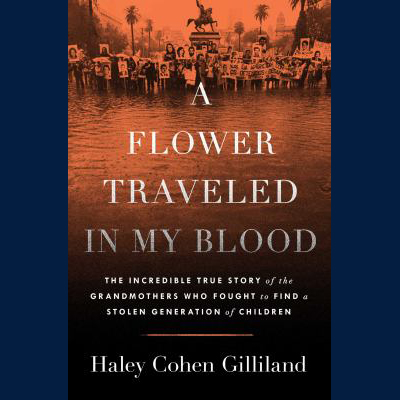
A Flower Traveled in My Blood

Avid Reader Press/Simon & Schuster, 2025

In 1976, a military junta took control of Argentina and launched a brutal campaign against anyone it viewed as a threat—journalists, artists, students and their family members. Tens of thousands were kidnapped, tortured or killed. One of the regime’s most disturbing crimes was abducting pregnant women, who gave birth in captivity before being “disappeared.” Their infants were secretly given to families aligned with the dictatorship.

For the women whose daughters vanished, the loss was doubled—their children were gone and their grandchildren had been stolen. Refusing to stay silent, a group of determined grandmothers formed the Abuelas (grandmothers) de Plaza de Mayo. These women became tireless investigators. Their commitment to learning the truth led them to American geneticist Mary-Claire King, who helped develop DNA tests that could confirm biological relationships—groundbreaking science that helped the Abuelas locate dozens of stolen children. (While investigating DNA science for the Abuelas, King discovered familial connections to BRCA gene breast cancer.)

Their efforts have helped identify hundreds of missing grandchildren and brought global attention to the fight for truth and justice. Their story is not just about loss—it is about extraordinary persistence, love and the power of ordinary people to confront injustice.


Technology Quiz

Robots and sensors and Skype, oh my. Test your knowledge of how technology can help us in our later years

Adults over sixty-five have been slow to embrace technology and are reluctant to upgrade to smartphones. 

Fitness apps are designed with just younger adults in mind.

Household sensors and GPS monitoring can allow an aging person to live alone at home instead of in a care facility.

Technology can be a great help when it comes to forgetfulness.

Robots that help take care of us will always be a science-fiction fantasy.

If you don’t use a smartphone, ride-hailing services like Uber and Lyft are not easy options for you.

Two-way video chats are proving not very effective at building social connection for older adults who live alone and feel isolated.

Doctors are looking at digital pills as a solution for patients who don’t take their drugs as prescribed.

All of us will eventually outlive our ability to drive.

Older adults aren’t using medical portals as much as younger people because they think they are too complicated.

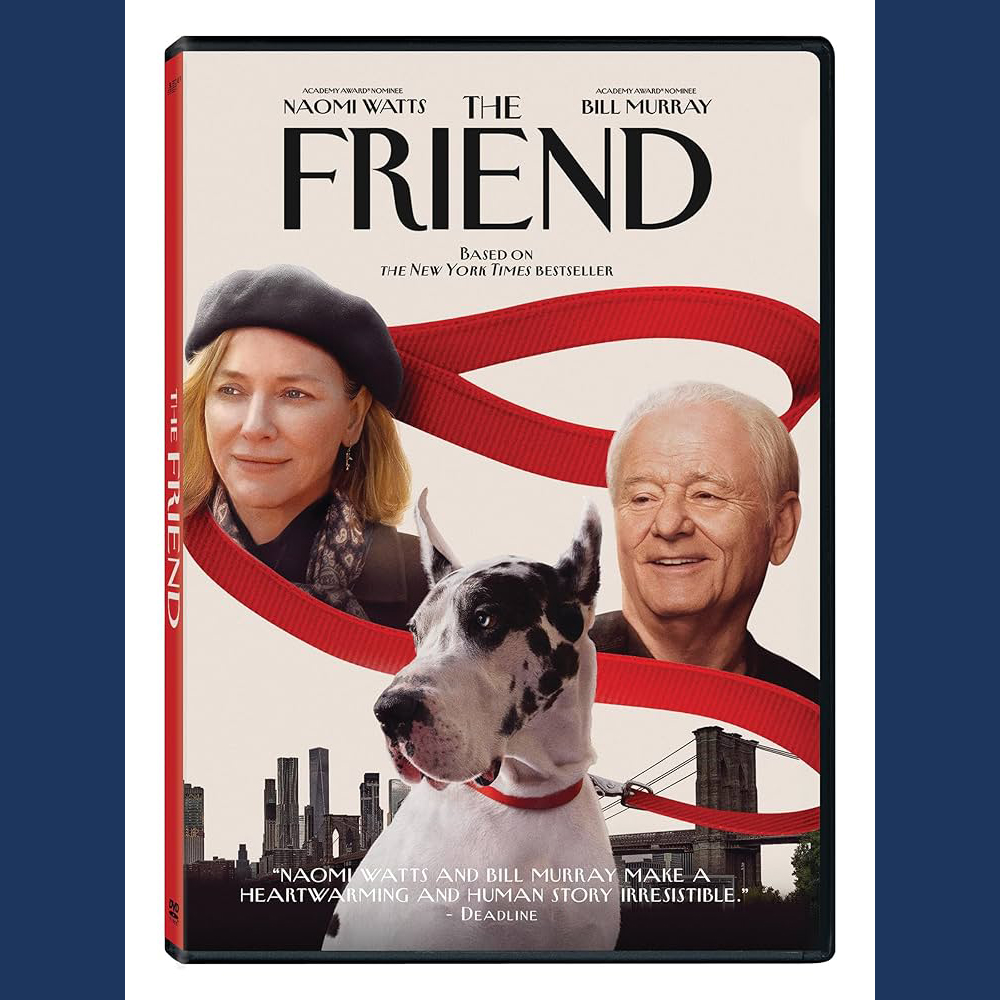
The Friend

United States, 119 min. 

Iris (Naomi Watts) is crushed after her beloved mentor, Walter (Bill Murray), unexpectedly dies by suicide. Then a complication in fur arrives: he has bequeathed her his dog, Apollo. The Great Dane is the size of a Buick; Iris is tiny and lives alone. Her cozy, rent-controlled, New York City apartment prohibits animals. Iris, who is in a creative lull, needs to finish a book, and the dog demands all her attention. But the two lost souls miss their best friend, a connection that provides a foundation to build a relationship. The Friend will undoubtedly appeal to dog lovers, but it’s more than an ode to companionship. It’s a heartwarming, forthright drama about accepting loss, dealing with our past, and finding the resolve to move forward. 

Debt and the Older Adult

Should you be worried about carrying debt into your later years? Put your financial savvy to the test.

Older adults have never been more financially secure than they are today.

Because more boomer women were employed, fewer of them will be in debt in their later years.

Mortgages and credit cards top the list of reasons so many adults are in poor financial shape for retirement.

Thanks to Medicare, Americans don’t have to worry much about medical expenses in their later years.

Younger adults are learning from their parents’ financial woes and are trying harder to save money for their own retirement.

Many boomers turn to their parents—or their adult children—for financial help.

If you have several different loans, it’s most important to pay off student loans before your high-interest credit cards or your mortgage.

A payday loan is a safe way to get cash quickly when you need it.

To get the best out of life after sixty, you need to start planning well before you’re in your fifties.

Once you’ve retired, there’s nothing more you can do to better your financial position.

Future Self

It’s important to spend some time imagining your future self if you want to live a long and healthy life.

Ageist views can interfere with your ability to see yourself as an older person.

It’s better to stay in the present than to wander into past or future time.

As you age, your sense of connection to your past and future selves is  likely to change.

Half of all Americans rarely (or never) think about what their lives will be like in the far future, say, thirty years from now.

The best way to motivate yourself to save for your later years is to visit a posh, active-adult community.

You’ll prepare for your own longevity better if you write yourself a letter about how important exercise is for your whole life.

Once you’ve reached midlife, your personality isn’t going to change much

When some people envision their future self, they see a total stranger.

Older adults who experience bias against themselves because of their age say they don’t want to live a long life.

If you feel the present is fleeting and the future arrives right on its heels, you’re more likely to live for the present.

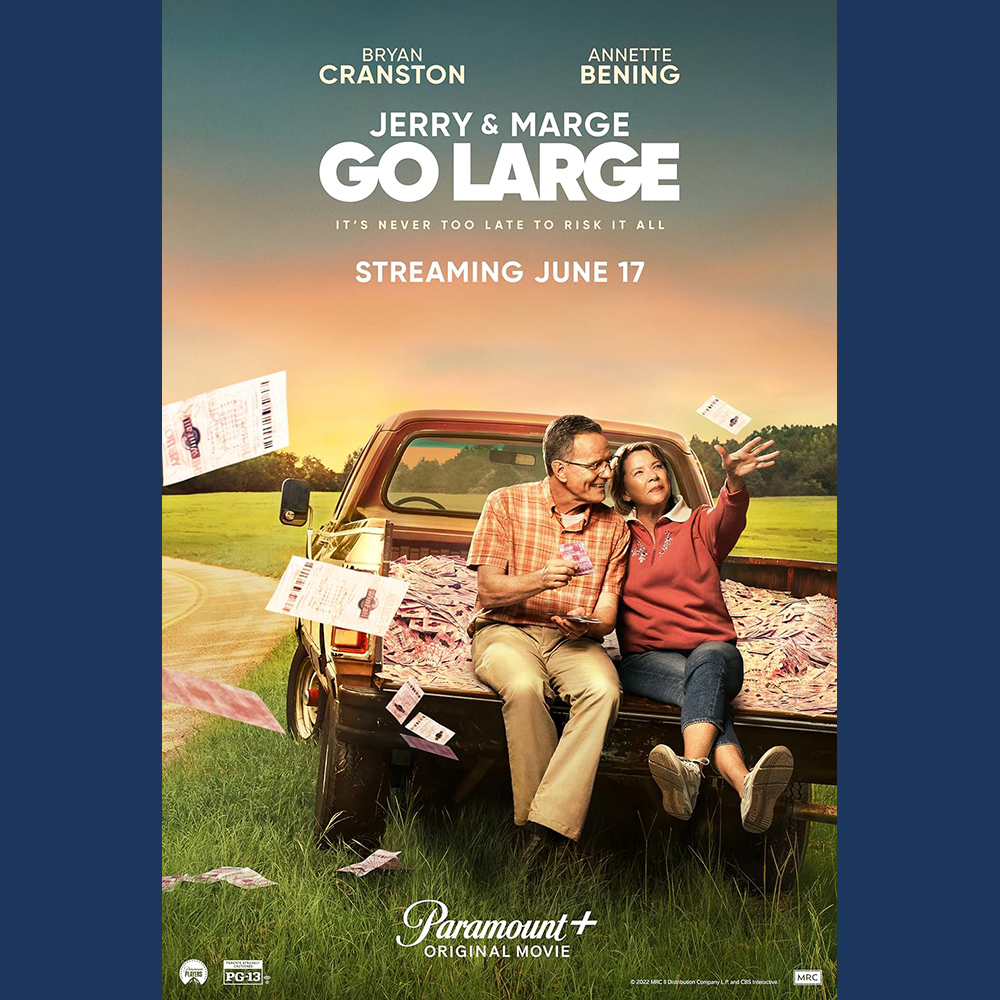
Jerry and Marge Go Large

United States, 96 min. 

Since retiring, Jerry (Bryan Cranston) faces a string of endless days in his small Michigan town. During one, he reads the tiny print of a lottery game. Jerry, a math whiz, is stunned by his calculations. If he buys a certain number of tickets, he’s guaranteed to win and the more he spends, the more he gets. When his wife, Marge (Annette Bening), learns Jerry has been (successfully) testing his theory, she’s all in. “Let’s be stupid,” she says. “We need something for us.” The pair make regular road trips to buy tickets in Massachusetts, first for themselves, and then for seemingly the entire town in what becomes a lucrative investment strategy. But will the success last? What elevates Jerry and Marge Go Large beyond its “did-this-really-happen?” story line are Cranston and Bening’s winning performances as the long-married couple that find their second wind by throwing caution to it. Touching and authentic, the movie (based on a true story) never cheapens its characters or their journey. 

BE THE FUEL

MAKE A DONATION TODAY

Your generosity is truly the fuel that empowers CMAP to change lives and to help older adults discover their “why!”

We invite you to donate to the 2023–2024 Annual Giving Campaign by June 30 to help us reach our goal.