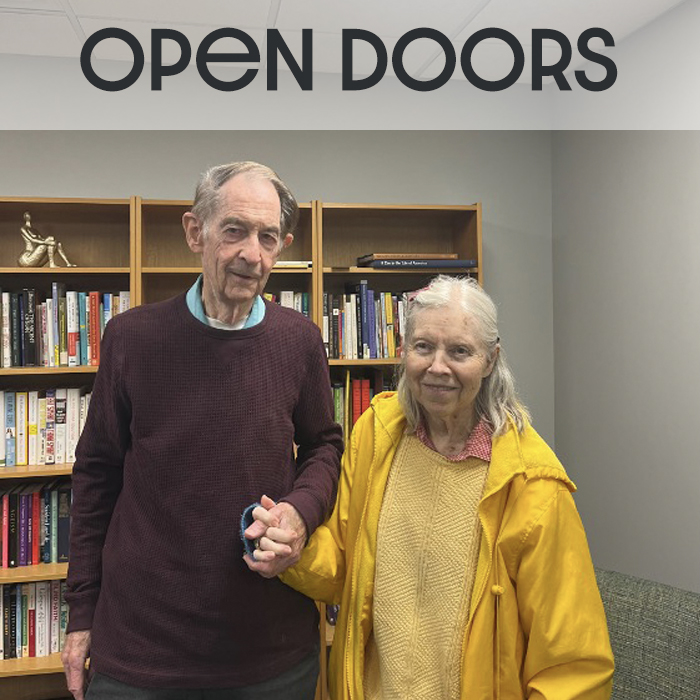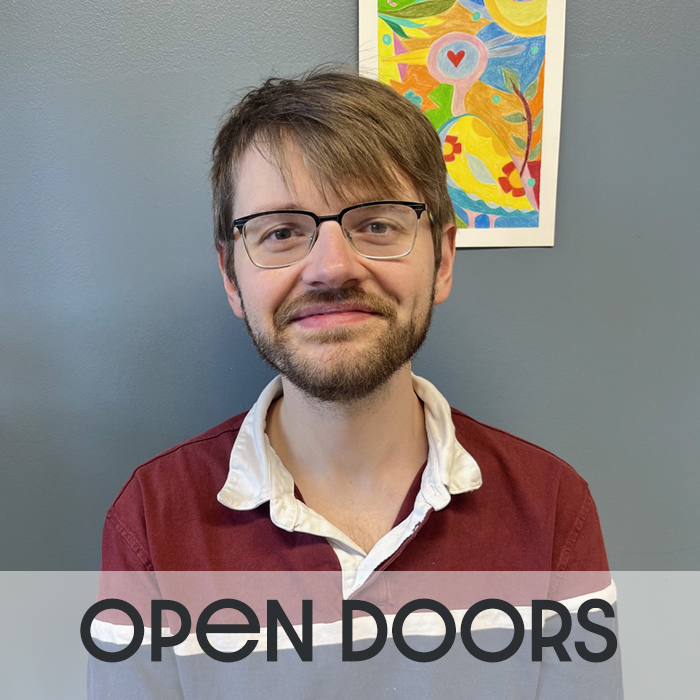
Important Update: Temporary Closure of the Nancy S. Klath Center
Due to water damage, the Nancy S. Klath Center at 101 Poor Farm Road is temporarily closed and under construction. For your safety, please do not visit the building. We will notify the community when it is ready to reopen.

CMAP remains fully operational during this time. Staff are working remotely and from the Suzanne Patterson Building at 45 Stockton Street. Programs will continue as planned at the Suzanne Patterson Building and in virtual formats. We appreciate your understanding as we work to minimize disruption to our community.

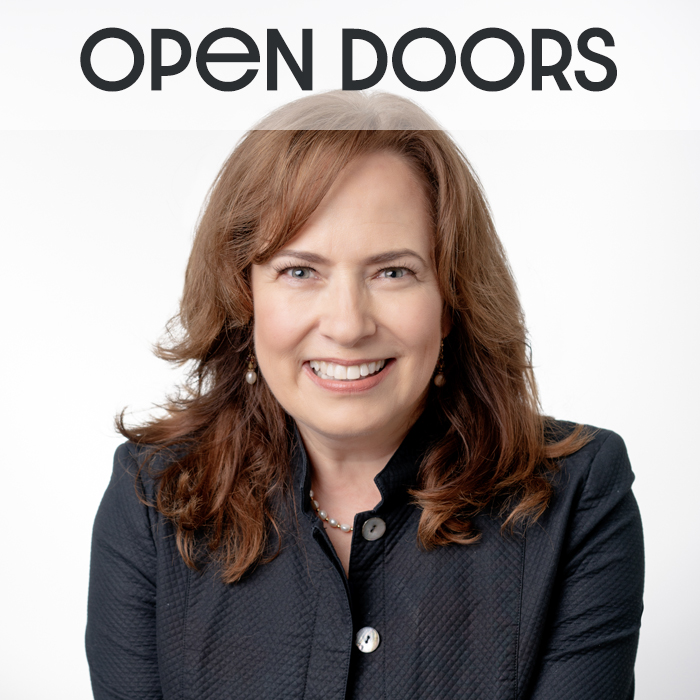
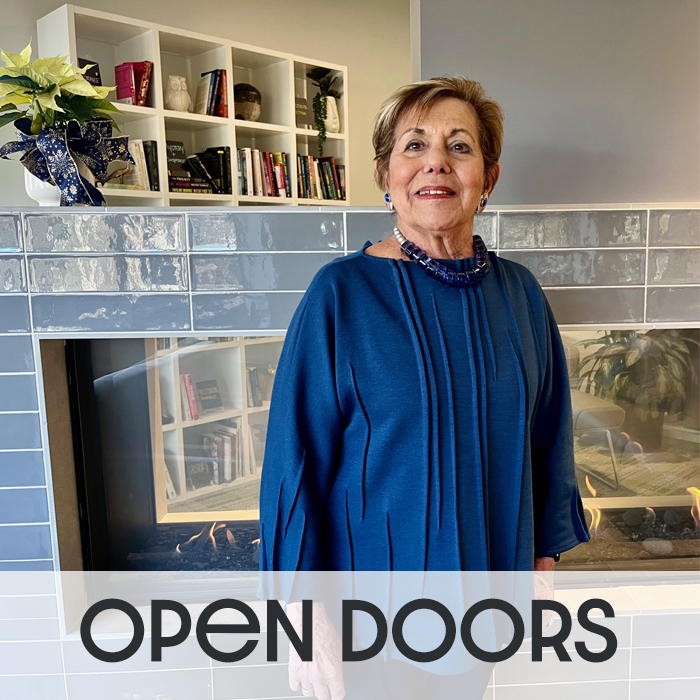
Meet Linda Madani

When Home Becomes Care: Linda Madani on Design, Aging, and Dignity

The seeds of Linda Madani’s interior design career were sown early. Growing up in New Hampshire, Linda’s father was a real estate developer who repurposed spaces, such as old mills, schools and hydro stations into housing, offices and restaurants. Linda accompanied her father to his building projects and even had her own hard hat at the age of ten. She loved construction and learned how to read architectural plans at a very young age. At Simmons College in Boston, Linda majored in business and fine arts. As a college senior she interviewed an interior designer for a class assignment and, in the process, asked if she could intern for her during her winter break. The job “clicked.” After graduating from college, Linda was offered a fulltime position as in interior design assistant. A few years later she went back to school to receive her interior design degree.

Something also clicked when Linda, now the owner of Madani Interiors, took on a renovation assignment at a neurosurgeon’s office. The doctor shared that most of his mature/senior patients had brain injuries from falls, particularly in the bathroom. As a result, Linda realized that a whole demographic was underserved by her field. It became her mission to help those in the third stage of their lives to live more safely, comfortably, and peacefully in their homes.

Linda began by developing ways to make bathrooms safer, such as providing low, amber lighting for nighttime bathroom visits and towel bars that also served as grab bars. As she developed an expertise in safe aging, she understood that the topic needed to be approachable and sensitively handled. She created a website as well as material for presentations. One of the places where she spoke was at the Center for Modern Aging in Princeton.

As Linda’s business grew, it diversified. She has worked with people who wanted to fully renovate their home or their business setting, those who just wanted to “touch up” their home, those who were ready to down-size, and those who were just beginning to think about finding a new way of living and needed help knowing where and how to start. Working in people’s personal spaces, negotiating lifestyle changes with clients, and suggesting ideas required empathy, respectful listening, observing, communicating, and good old-fashioned people skills.

In June 2023, Linda’s father was told he had three days to live. Happily, her father’s prognosis proved incorrect; bringing her design and organizational talents to bear, in just two months’ time Linda relocated her parents from North Carolina to New Jersey, into a safe, welcoming, fully ADA compliant home whose renovation she herself oversaw.

Linda felt it was a gift and an honor to help her parents through their transitional experience, and it only strengthened her resolve to help others maneuver through the aging adventure. She advises those with whom she works that being proactive and preventative about their living environment as they age provides more control over and enjoyment of ones’ home life. She helps people realize what they value most and helps them create a safe, peaceful home environment that enables them to thrive and grow. That might involve purging things they don’t need, organizing and refreshing various living spaces, or finding a new home with fewer maintenance and upkeep demands. Lucky for those who work with Linda, her empathy, energy, and insight help make change happen.

The Center for Modern Aging at Princeton is one of the recipients of Linda’s talents. Through her service as a civic co-leader in the Stoney Brook Garden Club, Linda and her fellow Club members made twenty creative holiday wreaths to decorate the CMAP Christmas luncheon venue. The wreaths were given away after the luncheon to members of the CMAP community. The holiday wreaths are a tradition between Stoney Brook Garden Club and CMAP. As part of her continuing engagement with the Center, Linda will be interviewed by Conrad Strauch on the People & Peace Talk Show airing on January 28, 2026 from 5:00-6:00 p.m. Go to https://engage.cmaprinceton.org/component/events/event/1570 to register. You can also call 609.751.9699 with questions, or email info@cmaprinceton.org.
Meet Nancy Becker

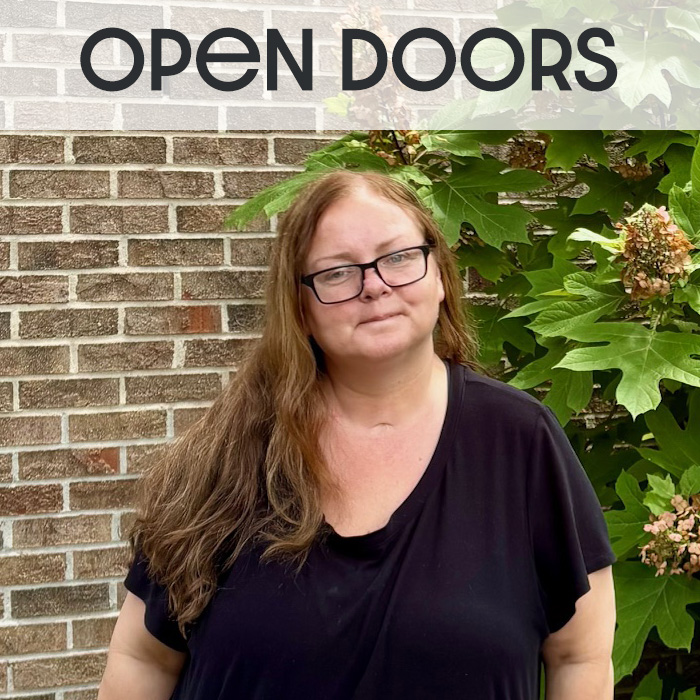
Nancy Becker: Building Community, Changing Systems, and Leading with Heart
How a young woman from the Bronx became New Jersey’s trailblazing advocate for ethics, women’s leadership, and community impact

Nancy Becker has spent decades shaping New Jersey’s civic and political life with quiet determination and unwavering ethics. Today, she brings that same steady vision to her role on CMAP’s board. We sat down with Nancy for an Open Doors conversation about the moments that defined her, the values she returns to, and the legacy she hopes to leave behind.

Where did you grow up, and what shaped those early years?
I grew up in New York City and attended the Bronx High School of Science, one of the most respected public high schools in the country. My father passed away when I was young, which left a significant emotional and practical gap in my life. But I also remember him as someone who never restricted us. He believed deeply that I could do anything I wanted, and that sense of permission stayed with me.

I was also very close to my younger sister, who went on to build a long and fulfilling career in physical therapy. After high school, I attended the University of Michigan, where I majored in English literature, and later earned a master’s degree in English language and literature from Manhattan College.

Were there role models who influenced your journey?
My father’s belief in me was foundational. Eleanor Roosevelt was another important influence, one of the few visible female leaders at the time. Her courage and advocacy for women helped me see the world differently. But in many ways, because there were so few female leaders to look toward, I had to teach myself how to become the kind of woman I hoped to meet: principled, effective, and unafraid to lead.

What setbacks shaped who you are today?
After completing my master’s degree, I moved to Princeton and hoped to pursue a PhD in English literature at Rutgers. In my interview, I explained that I could work only part-time while caring for my young children, and I wasn’t accepted. That rejection left me unsure of what to do next. I didn’t know Princeton well, and I didn’t yet have a community.

So I looked outward and began volunteering with a nonprofit, Common Cause. Several years later, I became its executive director. That role reoriented my path—it introduced me to policy, advocacy, and community impact.

Eventually, I left to start my own lobbying firm, becoming the first woman in New Jersey to found and run her own lobbying business. It wasn’t easy at first, but the work grew, gained attention, and ultimately sustained me for thirty years.

What personal accomplishments matter most to you?
I was married to my husband for forty-eight years, and raising our two children is one of my greatest joys. At a time when few women held corporate or political roles, he encouraged me to pursue them—and he meant it.

I’m proud of the inspiration my career gave my children and grandchildren. I’m also proud that my firm employed mostly women, offering opportunities that were still rare when I started.

What core values guided your work?
Ethics. Always ethics.

Whether in nonprofit leadership or running my own firm, I needed clients whose values aligned with mine. The moral culture of my businesses mattered just as much as the professional work we produced. Ethics is not just a professional standard; it is a way of living.

What do you hope your children and grandchildren remember about you?
I hope they remember me as someone accomplished but also loving, present, and supportive. I’ve built close relationships with my grandchildren individually, not just through their parents, and I treasure that. I want them to know that they can always come to me. Trust has always been essential to me, and I hope they carry that forward.

How has serving on CMAP’s Executive Committee shaped your view of aging and community?
I’ve served on the Executive Committee for two years, leading the Strategic Planning Taskforce. This work is essential—not just planning programs but imagining the future of aging in Princeton.

CMAP’s growth since the pandemic has been remarkable. Hybrid programming has expanded access and reduced isolation for people who might otherwise be alone. That, to me, is transformative.

I have also been proud of CMAP’s commitment to diversity. Through strategic planning, we’ve worked to build more inclusive participation, including expanded programming for Latinx and Asian community members and more outreach across economic and cultural backgrounds. Understanding the challenges of aging—from dementia to social isolation—helps us shape education and engagement for the whole community.

What life lessons have stayed with you?
Patience—not the passive kind, but the kind that trusts the long arc of effort.

I didn’t expect to achieve everything quickly. I believed that if I worked with integrity and surrounded myself with people who shared those values, things would unfold as they should.

Mentorship has also been central to my life. Because I grew up without much mentorship myself, I recognized how crucial it was. I created a yearlong mentorship program during Governor Christine Whitman’s administration to train women for leadership roles in government. Many of those women went on to become judges and public officials.

Later, at Rutgers’ Eagleton Institute of Politics, I created a lobbying-focused mentorship program specifically for women, including a handbook I wrote to teach effective advocacy.

If you could give advice to your younger self, what would it be?
Part of me wonders what would have happened if I had gone to law school. But the truth is, my life moved quickly after college—marriage, young children, shifting opportunities—and everything eventually came together in a way that felt right.

So the advice I’d give myself is this:
Trust the process. Keep your ethics. Take the long view.
And be patient. The life you’re building is worth the wait.

Meet Lori Efaw

Lori Efaw: How Care, Community, and Conversation Shaped Her Path at CMAP

When you meet Lori, you first notice the ease with which she moves through the Suzanne Patterson kitchen—placing trays, greeting participants, exchanging small jokes with the regulars. To most, she’s the warm smile behind the counter. But behind that smile is a story of early responsibility, long pauses, and the quiet strength of someone who learned to rebuild her life one shift, one connection, one good meal at a time.

Below is her story, in her own words.

Where did you grow up, Lori? What do you remember most about your early years?

I grew up in the Chambersburg neighborhood of South Trenton. I was always outside—riding my bike, finding things to do with friends, keeping myself busy and active. After middle school, my family moved to Hamilton, and I spent four years at Hamilton West High School. Those years were really fun for me. It’s also where I met my husband.

Right after graduating, I moved into a house with him and three of my closest friends. It was crowded, but it was a good kind of crowded—full of energy and laughter. At twenty, I had my first child. Becoming a mother that young changed everything. It taught me how to work hard, because suddenly it wasn’t just about me.

I had worked at Dunkin’ Donuts through high school, and afterward I bounced between being a manager at Wawa and waitressing at different restaurants—all while raising my son. It was a lot, but you do what you have to do.

You took on major responsibilities early. What challenges shaped you most?

Balancing work and motherhood at a young age was really tough. By the time I was twenty-six, I had my second child, and that made me step away from working for a while.

When my older son graduated high school, I decided to pause work for about ten years to be home with my younger son while my husband worked. It was a long stretch of caretaking, but it felt right at the time.

Then COVID hit.

I had just decided I was ready to go back to work, and suddenly every opportunity disappeared. Quarantine made everything more uncertain — not just jobs, but routines, connections, even confidence.

Eventually I learned that my mother-in-law worked for Mercer County Nutrition. She helped me get connected to the East Windsor kitchen, where we were delivering meals because no one could come inside. When the Princeton site reopened in 2022, I moved here.

Getting back to work after COVID and after years at home wasn’t easy. But as my kids became more independent, I knew it was time for me to step into something new again.

How has working behind the scenes at the Nutrition Program been different from your other jobs?

Being here has been fabulous.

This job is different because of the people. The participants bring so much warmth and personality. I get to greet them, hear their stories, catch up about their week — and that just didn’t exist in my previous jobs.

Starting my day with that positive energy makes all the difference.

I also think a lot about what this place gives the participants. Loneliness can really affect people, and here they get to enjoy good food and good company. It matters.

How do you feel about the diversity you see at Suzanne Patterson?

It’s one of my favorite parts of working here.

Every week I meet people from so many different backgrounds. It makes the building feel welcoming and alive. I love seeing conversations happen between people who might never have crossed paths otherwise.

And honestly, I think it’s only going to grow. I hope I get to keep seeing it firsthand.

If you could give your younger self advice, what would you tell her?

I’d tell her not to be so closed off.

Most of my life, especially when I was younger, I kept to myself. But working all kinds of jobs — waitressing, managing, customer service — forced me to talk to people. And that’s what changed me.

Communication taught me confidence. It taught me how to connect with people. And now, connecting with others is one of the parts of life I enjoy most.

Meet Barbara Skinn

Barbara Skinn: Finding Purpose, Poetry, and Belonging at CMAP

When you meet Barbara Skinn at the Center for Modern Aging Princeton, she greets you with a gentle warmth that can make even a cloudy morning brighter. Once a week, Barbara volunteers at the front desk, welcoming everyone who walks through CMAP’s doors with patience and grace.

Behind that serene smile lies a story of perseverance, curiosity, and quiet transformation — the journey of a woman who once called herself shy and who now helps others find connection and confidence through community.

Where did you grow up, and what was your childhood like?

I grew up in Wingham, Ontario, a very small town — only about three thousand people. I was one of eleven children: eight brothers and two sisters. You learn a lot growing up in a big family. You learn how to listen, how to share, and how to find your place in the noise.

My father was one of the people who shaped me the most. He was kind, steady, and respectful — the sort of person everyone trusted. He never needed to raise his voice to be heard. I think that’s where I learned that quiet strength can sometimes speak louder than anything else.

You’ve had an incredible academic and professional journey. How did it all begin?

From early on, I knew I wanted to go to university, but my family couldn’t afford it. That was hard — watching my dream feel so far away. But I also knew I had to try. So I studied harder than ever and earned a scholarship to the University of Western Ontario, where I completed my degree in nursing.

Nursing became my way to understand people — to be close to others when they were at their most vulnerable. Later, I earned my master’s degree at the University of British Columbia and eventually my Ph.D. in nursing at the University of Cincinnati.

Leaving home also opened me to the world. My hometown wasn’t very diverse, so being surrounded by people from different cultures changed how I saw everything. Nursing gave me a way to connect, to listen, to learn. I realized that every patient, every colleague, every stranger holds a story worth hearing.

You mentioned once that you were a shy person. How did that shape your life?

Yes, I was. I was very shy — the kind of person who preferred to stay quiet and listen. Home was where I felt safest, and for a long time, I didn’t think I had much to say. But once I left, I began to discover who I was.

Being shy taught me empathy. It made me observant. I learned that you can understand a lot about people by simply paying attention — their tone, their gestures, what they don’t say. I think that’s part of what made me a better nurse, a better listener, and maybe a better friend, too.

How did you become involved with CMAP, and what does it mean to you now?

CMAP has become like a second home for me. I’ve been part of this community for several years now — volunteering, learning, and connecting.

I joined Wonders of Wordplay, a creative writing workshop. I remember being hesitant at first, unsure if I had anything to say. But as I started to write and share, I realized that poetry wasn’t about perfection — it was about truth. It gave me another way to express myself.

Now, at the front desk, I get to greet people — each person with their own rhythm, their own story. Sometimes all someone needs is a smile or a familiar hello. That connection, no matter how small, can make a day feel different.

What lessons have stayed with you the most?

Integrity. Always that. Staying true to yourself, even when no one is watching.

I’ve learned that boundaries aren’t walls; they’re ways of protecting your peace so you can keep giving to others with an open heart.

If I could talk to my younger self, I’d tell her not to be afraid of her own voice. To speak up. To trust that being gentle doesn’t mean being small.

And what advice would you share with others?

Be curious. Be kind. Be yourself. Don’t rush through life trying to be someone else’s version of you.

And remember — joy isn’t always loud. Sometimes it’s found in small, ordinary moments: a poem shared, a smile at the door, a new friend who feels like home.

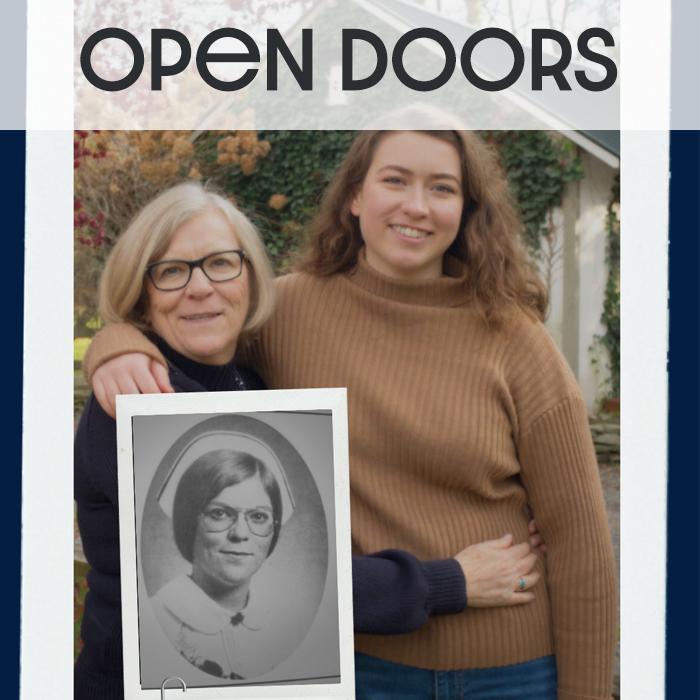
Photo: Barbara with her daughter, sharing a moment of laughter and warmth. A reminder that care, love, and learning never stop. Courtesy of Barbara Skinn.

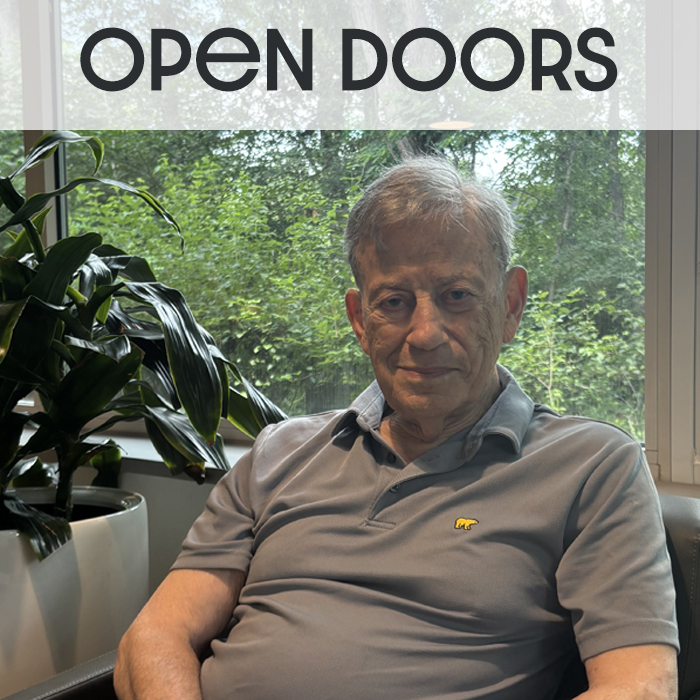
Meet Stephen Albert

Beyond Careers and Titles: Stephen Albert on What Really Matters

By Brandon Urias

Across decades that carried him from Brooklyn to Harvard, from Wall Street to retirement, Stephen Albert has held onto a simple but powerful conviction: life’s worth is found in the people we walk alongside. Brotherhood, community, and respect are not footnotes in his journey; they are the throughline.


  1. Where did you grow up?

I grew up in Brooklyn, New York, where I spent most of my childhood. As an only child, I relied heavily on the guidance of my parents, who supported me in both personal and professional ways. I was also close to my cousin, who played an important role in my early life.

I left Brooklyn to attend Union College in upstate New York, where I studied Mechanical Engineering. College was transformative, not just academically, but socially. I was deeply involved in my fraternity, Kappa Nu, where I educated new members about its values and eventually became president. That leadership role helped me grow into someone who could represent the morale and spirit of an entire group. The bonds I formed with my fraternity brothers, the laughter, and the shared challenges remain some of my most cherished memories.

After graduating, I expanded my horizons by pursuing an MBA at Harvard Business School. Transitioning from engineering to business was a leap, but I knew it would open new career paths and allow me to find work that I could truly enjoy for the long term.


  1. Did you know for certain what you wanted to do with your life? Were there any setbacks you faced throughout your career?

My parents, both successful attorneys, initially encouraged me toward pre-law. But I followed my own path into engineering. My first job was at a technical firm in research planning. Though the role was clear, it didn’t align with my expectations. After a few years, I pivoted to the investment sector on Wall Street—where my MBA became invaluable.

Working in Manhattan’s fast-paced investment world was exhilarating, though not without setbacks. When my firm was taken over by another brokerage, it was a difficult moment, but also an opportunity to regroup and find a stronger place. Moving into a larger firm on Wall Street taught me that the industry was full of wins and losses, and that resilience was essential.


  1. What accomplishments are you most proud of, personally or professionally?

Above all, I am proud of the respect I earned from others, and the respect I gave in return. From my fraternity brothers to my colleagues, mutual respect has been the foundation of my relationships.

Professionally, being named to the All-American Investment Team was a highlight I never anticipated. It validated not only my skills but also the passion I brought to my work. Later, moving from Wall Street to Philadelphia firms was a risk, but one I am proud to have taken, even with the challenges it entailed.


  1. How has your family helped you become who you are today? What do you hope your children and grandchildren remember you for?

My parents were instrumental in shaping my life, offering unconditional love and a foundation that carried me through uncertainty. I was also blessed to be married to my wife for 43 years, and together we raised children to whom I passed down that same foundation.

I hope my children and grandchildren remember me first as someone they respected, and then as someone they loved unconditionally. Respect, in my view, is lasting, it doesn’t waver as much as love might over time. I also hope they see me as a figure of gratitude, someone they can look up to and appreciate.


  1. How do you feel about CMAP and the community it fosters?

CMAP has given me the support I needed after retirement. Friends encouraged me to join, and I quickly saw its value. The seminars, the accessibility, and the opportunities to keep learning gave me a renewed sense of purpose. It has helped me stay forward-thinking, open-minded, and engaged.

At the end of the day, we’re not here for a long time, we’re here for a good time. And CMAP has reminded me how much we can still learn and enjoy, no matter our stage in life.


  1. What life lessons have you learned? If you could give advice to your past self, what would it be?

Persistence has been the greatest lesson. Getting back on my feet after setbacks carried me further than I could have imagined. I learned to view disappointments as opportunities rather than defeats, and to recognize the blessings I already had.

If I could speak to my younger self, I would say: face challenges with courage, never let fear dictate your choices, and trust in the foundation you’ve been given.

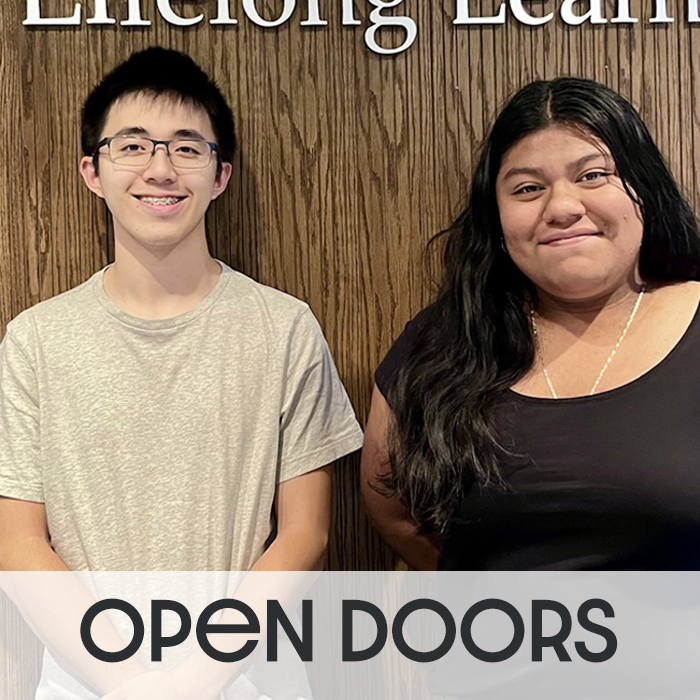
Meet Victor and Joanna at CMAP

This summer, Joanna Martinez-Salinas and Victor Shen joined CMAP as youth employment interns, and what they experienced went far beyond the tasks on their to-do lists.

For Joanna, the days were filled with laughter, learning, and connection. “I really enjoyed working with the seniors and getting to know everyone around me,” she said. “Helping set up rooms, guiding them with technology, and just being there taught me a lot about patience and communication.” She remembers small moments that made a big impact: “Spending time with people you love, even for a short moment, creates memories you can carry forever.”

Victor’s summer was equally illuminating. “I learned how to multitask—taking calls, helping people, and staying calm all at the same time,” he explained. But above all, he discovered the importance of kindness. “Everyone here has been so considerate. I realized that treating people the way you want to be treated makes a real difference, because you never know what someone is going through.”

Both interns leave CMAP with lessons they will carry forward. Joanna hopes to continue practicing patience and effective communication in her future endeavors. Victor wants to keep spreading empathy, treating everyone he meets with care and understanding.

When asked what advice they would give to the seniors, they smiled and responded with heart. “Enjoy life, cherish your hobbies, and spend time with the people who matter most,” Joanna said. “Find happiness in the little things,” Victor added.

Their summer at CMAP was not just about gaining work experience—it was about building relationships, learning from one another, and understanding the quiet power of connection. For Joanna and Victor, the seniors were teachers in patience, kindness, and perspective. And for our seniors, these two young interns brought energy, curiosity, and reminders that learning—and caring—flow in every direction.

Meet Evelyn James

Evelyn James: From Daily Acts of Care to Changing a Neighborhood
By Brandon Urias

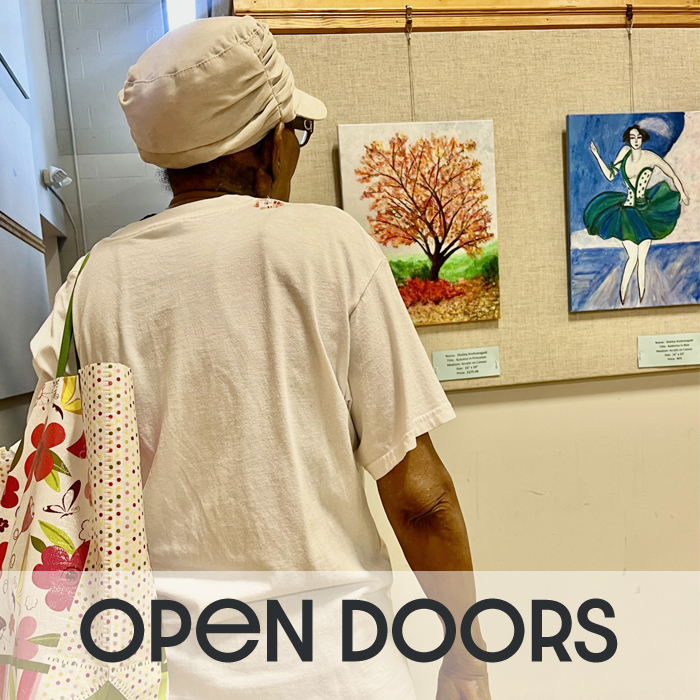
We had the pleasure of sitting down with Evelyn, a longtime participant in the Suzanne Patterson Building’s Nutrition Program. A former nanny with a passion for caregiving, Evelyn has created a lasting impact on the community she now calls home. Here, she shares her life journey, her experience in the program, and the lessons she has learned along the way.

Q: Evelyn, tell us a little about yourself and your background.
Evelyn: I grew up in Georgia in a large family with three brothers and four sisters. At eighteen, I moved to Baltimore, Maryland, to finish my high school education. After that, I started my first job as a nanny for a handicapped boy. I found it incredibly rewarding, and it sparked my love for helping people, no matter their age. From there, I worked with children with disabilities and later transitioned into mental health care for older adults in a mental health institution. I loved interacting with the adults I worked with and getting to know them on a personal level. I learned a lot about the importance of communication and being present for others.

Q: You’ve faced many challenges throughout your life. How did those challenges shape you?
Evelyn: Moving around a lot because of my husband’s work was definitely a challenge. We traveled from state to state, but I always made sure my daughter had the support she needed. Despite the constant change, she excelled in school and later earned her master’s in social work from Temple University. I’m really proud of her. Those experiences taught me the importance of resilience: no matter how many times we moved or how difficult things became, you can always push through with the right support.

Q: How did you get involved with the Nutrition Program at the Suzanne Patterson Building?
Evelyn: When I moved to Princeton, I heard about the Nutrition Program and thought it would be a great way to connect with others in the community. I’ve been a participant for a couple of years now, and it has been a joy to meet so many wonderful people. I’ve even met a few neighbors from my apartment complex, which is always nice. It’s great to have this space to share a meal and have conversations—whether about life, current events, or just something fun. It’s the perfect opportunity to connect and feel part of something.

Q: What role has faith played in your life?
Evelyn: My connection to religion has always been a strong foundation for me. It’s what kept me going during tough times. Just knowing that there’s a higher power watching over me has been a source of peace and strength. I think faith can carry you through anything. Even when life seems difficult, remembering that you’re not alone makes a huge difference.

Q: What are the most important life lessons you’ve learned?
Evelyn: One of the biggest lessons I’ve learned is the importance of staying connected to others—whether through family, friends, or community. Life can be hard, and sometimes you have to face challenges, but you don’t have to do it alone. My faith has also taught me to appreciate the small things. Sometimes it’s those simple moments that make life meaningful. And, of course, I believe that taking care of your body, mind, and spirit is key to living a long and fulfilling life.

Q: What advice would you give to others as they age?
Evelyn: Stay engaged with the world around you, keep learning, and don’t isolate yourself. It’s so important to keep connecting with others—whether through a program like this or by staying active in your community. Aging with dignity isn’t just about physical health; it’s about emotional and mental well-being too. And if you can find joy in the little things, that will carry you through.

Q: What’s next for you, Evelyn?
Evelyn: I’m going to continue participating in the Nutrition Program, of course! But I also want to keep exploring ways to stay connected with others and keep learning. I’ve always been curious, and I believe there’s always more to learn. I’m also excited to see my daughter continue to grow in her career—she’s an inspiration to me.

Meet Val and Martha

Val and Martha – A Life of Adventure, Family, and Connection

We had the pleasure of speaking with Val Mathews and Martha, who both participate in the Nutrition Program at the Suzanne Patterson Building. Their lives have been full of adventure, family, and meaningful connections. Here is their story:


Q: Can you tell us a bit about yourself, your background, and what brought you to Princeton?

Val:
I grew up in Virginia. I had a deep interest in physics and worked in the military-industrial complex for a while. After that, I took some time to explore the world. I lived in southern Russia and the Texas oil fields, and those experiences really shaped who I am. But eventually, I found my number one woman: Martha. That was the moment I realized that life isn’t just about places and jobs; it’s about the people you connect with along the way.

Martha:
I was born in Washington, D.C. and have an identical twin sister. Growing up, tennis was a huge part of my life, and it was something my twin sister and I shared. However, after I fell and broke my hip, I had to leave the sport behind. Even though I couldn’t play anymore, I found joy in watching others, like John Isner, and admiring their talents. It’s funny how life changes, and tennis still remains something that binds my sister and me, even though I no longer play.


Q: How did you find your way to Princeton? What has been meaningful to you about living here?

Martha:
When it came time to choose schools for our children, we wanted the best for them. We found that West Windsor High School was the right place for them, and it was only a few blocks from our home, which made it all the more convenient. We were looking for a community that values education and personal growth, and Princeton has always embodied those values.

Val:
Princeton has been an ideal place for our family. Martha has always been passionate about teaching. She was a wonderful elementary school teacher and later worked as a director at Princeton University’s nursery school. For me, living in Princeton has been about finding balance — having a supportive community and raising our family in a place where education, culture, and the arts thrive.


Q: What has been the most fulfilling part of your life so far?

Val:
The most fulfilling part of my life has been the chance to travel and connect with people from different parts of the world. The cultural exchanges we’ve had in our home, from hosting guests from Russia, Bulgaria, Kazakhstan, and East Germany — have broadened my view of the world. One of the most enriching experiences was when we hosted a student from Finland. She came to West Windsor High School as a senior to improve her English, and watching her grow and adapt to life in the U.S. was an incredible experience. It taught me how interconnected we all are, no matter where we come from.

Martha:
I couldn’t agree more. The exchanges we’ve had have really shaped our understanding of the world. It’s opened up our minds to different perspectives, and I’ve learned so much from these cultural interactions. It also gave our family the chance to appreciate the richness of other cultures and ways of life.


Q: What has been your experience with the Center for Modern Aging Princeton?

Val:
After Martha had her surgeries and was in and out of rehab, I found myself spending a lot of time alone. I qualified for the Nutrition Program here and began attending regularly. Honestly, it’s been a lifeline. It’s not just the food, although the meals are wonderful, it’s the people. Coming here has given me a sense of connection I was missing, and it’s been great for both my physical and emotional well-being. The social aspect has been just as important as the nutrition.

Martha:
I couldn’t agree more. After my surgeries, I’ve really come to appreciate the space CMAP offers. It’s a place where I feel seen and heard, and I’m not just another face in the crowd. Everyone here makes you feel welcome, and the camaraderie is really special. It’s more than just a place for food, it’s a place for connection and support. I truly feel at home here.


Q: What do you think is the most important lesson you’ve learned in your life?

Val:
For me, the most important lesson has been the value of staying curious and never stopping the learning process. No matter how old you get, there is always something new to discover, whether it’s a place, a person, or an idea. I think we’re all constantly evolving, and that’s what makes life exciting. It’s important to keep an open mind and heart.

Martha:
For me, it’s all about savoring the little moments and not taking life too seriously. When you stop and appreciate the simple joys — whether it’s a good meal with family, a quiet walk, or a shared laugh, you find true happiness. It’s those little things that matter most in life.


Q: What do you most enjoy doing with your grandchildren?

Val:
Spending time with our grandchildren is pure joy. One of our granddaughters, when she was just six years old, challenged me to an arm-wrestling match. She said, “Grandpa, I’m your woman.” It was a moment I’ll never forget. The confidence they bring to everything they do is so inspiring, and it reminds me to keep that childlike enthusiasm in my own life.

Martha:
We love to take them out to eat and spend time with them, but they’re so busy with school now that we don’t get to see them as often as we’d like. But whenever we can, it’s a real treat. We just enjoy being together and soaking up their energy.


Q: How do you feel about the future? What are your hopes for the next chapter in your life?

Val:
We’re just so grateful for everything we’ve experienced in life. Watching our children and grandchildren grow and succeed has been a joy, and we just want to continue being a positive influence on them. Our focus now is on enjoying each day and making sure we’re living fully.

Martha:
I agree. We’ve had a rich and fulfilling life, and now it’s about appreciating each day. We want to continue being involved in our family’s lives and continue making memories together. Life’s short, so we’re just going to enjoy it while we can.

_____________________________________

Val and Martha’s story is a testament to the power of connection, love, and adventure. Their journey, full of cultural exchanges, family, and community involvement, shows us that the key to a fulfilling life lies in staying curious, connected, and grateful. Through their participation in the Nutrition Program at CMAP, they’ve found not only nourishment for their bodies but also a deeper sense of belonging. Their story reminds us that no matter our age, we are always capable of learning, growing, and sharing our wisdom with others.

Meet Intern Chris

Christopher Stanley – A Journey from Ministry to Social Work

At CMAP, we are fortunate to have had Chris as an intern, bringing not only his academic expertise but also his compassionate heart to our community. From his background as a former pastor to his current studies in social work at Rutgers, Chris’s journey is one of deep empathy and dedication to helping others. Through his work with older adults, he has witnessed the power of human connection and the importance of listening. Today, Chris shares his story, his experiences at CMAP, and the valuable lessons he has learned about aging and caregiving.

Q: Chris, we’ve had the pleasure of seeing you work closely with our older adults and the team. Can you tell us a bit about yourself and what inspired you to pursue a career in health and wellness for older adults?

Chris:
Before starting at the Center for Modern Aging Princeton, I served as a pastor in the United Methodist Church for about eight years. During that time, I realized my passion for helping people through struggles and difficult times. However, after the pandemic hit in 2020, I began to reflect on my life and the impact I was making. I decided to switch gears and pursue a career in social work. Working with older adults has always been something I’ve been drawn to, and my experience in ministry — especially with older adults — felt like a natural transition. I’ve always believed in the value of helping others, and social work gives me the opportunity to walk alongside people and offer support during challenging moments.

Q: Balancing your graduate studies at Rutgers with your work here must have been challenging. We also know you have a young, playful daughter. How do you manage your time between school, your internship, and family life? How has this internship influenced both your academic and professional development?

Chris:
The key to managing my time has been the incredible support from my wife, Rachel. She’s been an amazing partner, especially when it comes to balancing my responsibilities. There were weeks when I had big projects or papers, and Rachel would step in and take on more of the parenting duties for a few days. Her support has been invaluable. I also made some personal adjustments — like deleting Facebook — to help me focus. With everything going on, it was actually nice to disconnect from social media. Time management, with Rachel’s help, has really been the cornerstone of balancing all my roles.

Q: You’ve shown such kindness and empathy toward the older adults during your time here. Was there a particular experience that deeply impacted you or changed your perspective on aging or senior care?

Chris:
One of the most significant things I’ve learned during my time here is the financial vulnerability many older adults face. I remember meeting someone who was living off Social Security, and after talking with them about the challenges they were facing, I was struck by how little they had to live on. That experience really opened my eyes to how financially difficult life can be for many older adults. I’ve also seen how much people value simple conversation. Often, they don’t want advice or solutions — they just want someone who cares and is willing to listen. That’s been deeply moving to me. Emotional support is just as important as any other kind of care.

Q: What has been the most rewarding part of your internship at CMAP? Is there anything in particular you’ll miss once the internship ends?

Chris:
The most rewarding part has been engaging with older adults and providing a space where they feel seen and heard. It’s a privilege to be part of their lives, even briefly. I’ll definitely miss the relationships I’ve built — with both the participants and the team. Having meaningful conversations with older adults about their challenges and life experiences has been incredibly fulfilling. It’s not always easy, but knowing you’re making a positive impact makes it all worth it.

Q: We’re always looking for ways to improve. Do you have any feedback on how we can enhance the experience for older adults or expand any of our services?

Chris:
One thing I’ve noticed is that there are two sides to CMAP: the programs at the main center and the social services provided at places like Princeton Senior Living (PSL). Sometimes, those sides feel a bit disconnected. I think it would be great to bridge that gap and get more PSL residents involved in the amazing events happening at the center. Many people at PSL may not be aware of all the resources CMAP offers. A little more outreach could really help strengthen that connection.

Q: What advice would you give to others considering a career in social services or working with older adults?

Chris:
I’d encourage people to approach this field with curiosity and an open mind. There are so many stereotypes about aging that simply aren’t true. I remember when I told a friend I was going into geriatric social work, they said, “Oh, that’s so neat — I love playing bingo with older people.” That’s such a limited view of who older adults are. They’re incredibly diverse and have so much wisdom to offer. If you go into this work ready to listen and learn, you’ll grow just as much as the people you’re supporting.

Q: Looking ahead, what are your professional goals? How has your experience at CMAP and your education at Rutgers prepared you for the next step in your journey?

Chris:
I’m still figuring out exactly where I want to go, but I’m really interested in case management and possibly counseling or therapy. There’s a lot of overlap between ministry and social work, and that’s been helpful in shaping my direction. My time at CMAP, along with my education at Rutgers, has helped me see how broad and impactful social work can be. I’m excited to keep growing and to continue finding ways to make a meaningful difference.

Meet Intern Sarah

Sarah Christensen, A Heart Full of Empathy and Service

Q: Sarah, tell us a little bit about yourself and what led you to pursue a career in health and well-being for older adults.

Sarah:
My name is Sarah, and I’m currently pursuing a Master of Social Work at Rutgers University, along with a certificate in aging and health. I was also a fellow in the Aging Fellowship at Rutgers. My interest in social work was sparked by my upbringing—I’ve been surrounded by older adults my whole life. My mom is one of eight children, and I was always part of a close-knit family. My dad’s aunt, who’s 101, has been an immense role model for me, and I’ve learned so much from her about aging. It’s people like her, along with the rest of my family, who inspired me to focus on older adults and pursue a career in this field.

Q: Balancing your studies at Rutgers with your work here at CMAP must have been challenging. How did you manage it all?

Sarah:
The key was having my practical days on Monday, Tuesday, and Wednesday, which allowed me to dedicate those three days fully to CMAP. This structure helped me organize my week, and once I was finished with my practical work, I felt like I had completed everything for the week. The support at CMAP was also crucial. If there was something I didn’t finish or needed help with, I felt comfortable turning to anyone here, whether they were my supervisors or not. Having two other interns to work with was also invaluable. We helped each other, shared ideas, and there was a real sense of understanding between us, which made the experience both rewarding and manageable.

Q: You’ve shown so much empathy during your time here at CMAP. Was there a particular experience that deeply touched you or changed your perspective on aging or the senior community?

Sarah:
One of the most impactful moments for me was when a senior called for feedback on a program she had attended. She talked at length about how much CMAP meant to her and her friends, describing it as a “beacon of light” in their lives. Hearing this really reinforced the importance of what we do here. It wasn’t just about the programs—it was the sense of belonging and support the seniors felt. It made me realize how crucial organizations like CMAP are for older adults who might feel isolated or overlooked by society. It also made me think of my own family, especially my aunt, and how important it is for older adults to have spaces where they can feel welcomed and valued.


Q: From your perspective, what makes CMAP special for the seniors who participate in our programs?

Sarah:
What makes CMAP truly special is the community it fosters. The relationships between the seniors, staff, volunteers, and interns create an environment of warmth and mutual respect. The seniors here are incredibly welcoming, they always ask about our studies, our lives, and genuinely take an interest in us. There’s a unique connection here that goes beyond just the programs. It’s the sense of belonging and the support we offer each other. Whether it’s through shared experiences in groups or casual conversations, it’s clear that CMAP is more than just a place—it’s a community.

Q: Is there something personal that has connected you even more with the seniors here or inspired you in your everyday life?

Sarah:
The phone call from that senior has stayed with me. She talked about how CMAP had become a “beacon of light” for her and her friends. This made me realize the power of what we do, not just in providing services, but in offering a sense of purpose and connection. I think about her words often, and they continue to inspire my work here. It also reminds me of my aunt, who is turning 80, and how important it is to have spaces where older adults can feel supported and connected. CMAP provides that, and it’s something I deeply value.

Q: What advice would you give to other young professionals who want to get involved in health, well-being, or community service roles?

Sarah:
My advice is to be open to learning from the people you work with, not just passively, but actively seeking to understand their experiences. In social work, you get as much as you give. Don’t make assumptions about people’s needs or experiences. Just because someone might be at the same stage in life doesn’t mean they experience things the same way. Embrace creativity and think outside the box. People like to learn, and sometimes trying new things can lead to unexpected rewards. And most importantly, be open to learning from the people around you.

Q: Looking ahead, what are your professional aspirations? How do you feel your experience at CMAP and at Rutgers has prepared you for what’s next?

Sarah:
Looking ahead, my professional aspirations center on intergenerational relationships and program development. I believe that both older adults and younger generations thrive when they connect—it’s about breaking down stereotypes and fostering mutual learning.

With the foundation built through her studies at Rutgers and her internship at CMAP, Sarah is excited to continue making a difference in the lives of older adults. Her time at CMAP has given her a deeper appreciation for the power of community and the many ways we can support and empower older adults.

She also highlighted the value of working alongside other interns, calling it one of the most rewarding aspects of her experience: “From the very start, we were all navigating this new experience together, and it created a real sense of camaraderie. We shared challenges, ideas, and questions, and there was a strong feeling of mutual support. I also learned so much from my fellow interns—especially from Chris, who often asked insightful questions that made me reflect more deeply on the work we were doing. That sense of teamwork and shared purpose made all the difference.”

When it comes to family, Sarah lights up: “They’ve been my biggest supporters. I always joke that my success is thanks to them! Many of my assignments involved interviewing family members, and I’ve ended up asking almost all my aunts and cousins for help. They constantly tell me how proud they are, and I love teasing them whenever I get a good grade on something I interviewed them for, saying they deserve some of the credit! Their support has been invaluable, I know I wouldn’t be where I am without them.”

BE THE FUEL

MAKE A DONATION TODAY

Your generosity is truly the fuel that empowers CMAP to change lives and to help older adults discover their “why!”

We invite you to donate to the 2023–2024 Annual Giving Campaign by June 30 to help us reach our goal.