
Important Update: Temporary Closure of the Nancy S. Klath Center Due to water damage, the Nancy S. Klath Center (101 Poor Farm Road) is temporarily closed for construction. For your safety, please do not visit the building. We will share updates as soon as it is ready to reopen.

CMAP remains fully operational. Staff are working remotely and from the Suzanne Patterson Building (45 Stockton Street). Programs will continue as scheduled at the Suzanne Patterson Building and in virtual formats. Thank you for your understanding.

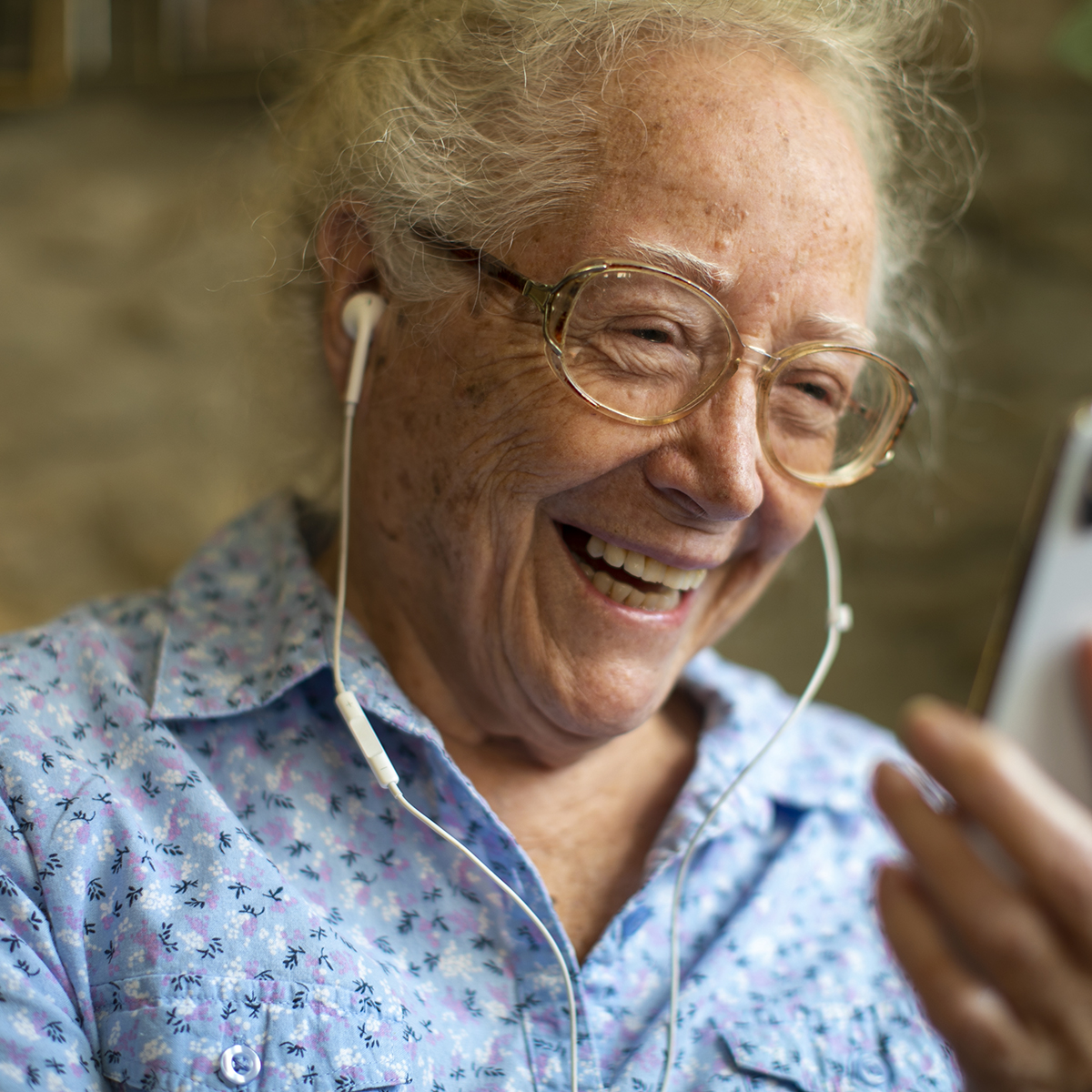
The Doctor Is In (Virtually)

As a retired registered nurse, Donna Bening, 81, has known for decades that telemedicine was coming. Her expectations have been realized this year.

Bening had two virtual visits via videoconference: first with her primary care physician for a routine checkup, and later with her rheumatologist for a follow-up to track the progress of her rheumatoid arthritis. Bening loved the convenience. Her primary care physician, Bening noticed, checked on her from home, casually dressed, sans the usual white coat.

“Neither of us had to get dressed for the appointment,” Bening said.

Millions of older Americans tried telemedicine for the first time in 2020. Due to the pandemic, medical providers quickly pivoted to virtual visits to minimize potential exposure to COVID-19 for vulnerable older patients, and Medicare expanded its coverage to reimburse for telemedicine visits, which were previously not covered.

“The pandemic took something that was ready to launch in some form and accelerated the adoption of the new technology,” said Joshua Septimus, MD, a primary and internal medicine physician at Houston Methodist Hospital who sees many older adult patients. “I think it will have a lasting impact.”

Many experts believe telemedicine will continue to play a bigger role in medical care for older adults after the pandemic, especially if Medicare maintains its coverage. But while telemedicine offers many advantages to older adults, some worry an overzealous push for widespread adoption could leave some patients behind or push them toward virtual visits even when they really need to be seen in person.

“I worry that people are being blinded by the efficiencies [telemedicine] creates to the limitations,” Septimus said.

Advantages of Virtual Visits

Telemedicine is the use of communications technology to deliver health care to patients at a distance. Virtual visits typically involve video and audio communication, via a laptop or desktop computer, tablet (such as an iPad) or smartphone, but may also include medical visits conducted by telephone. Some expand the definition of telemedicine to include written communication between patients and doctors via email or an online portal.

Early studies indicate that patients are responding positively to virtual interactions.
For many older adults, the biggest and most obvious benefit of telemedicine is the ability to consult a doctor or other medical professional without leaving home.

“Traveling to a clinic or doctor’s office can be an exhausting task for older adults,” said Jessica Voit, MD, an assistant professor in the Department of Internal Medicine at UT Southwestern Medical Center in Dallas who specializes in geriatrics. “Some patients need a family member to take off work to bring them in.”

Eulaine Hall, 87, of Dallas likes that advantage. When her annual checkup took place over the telephone a few months ago, she didn’t need to arrange transportation to the doctor’s office via the city’s transit service for seniors. Hall, who has macular degeneration, can no longer drive.

“Avoiding the trip was major,” she said. “And I felt like the doctor spent more time with me and asked really detailed questions.”

Other advantages: doctors can conduct visits from wherever they are, saving time and money. With the patient’s permission, a third party—another medical specialist or a family member—can easily be pulled into a virtual visit.

“You could have multiple physicians in a consultation with the patient at once, instead of having the patient make multiple visits to multiple doctors,” said L. Arick Forrest, MD, vice dean of clinical affairs at the Ohio State University College of Medicine. “Telemedicine offers the possibility of a more patient-centric approach.”

Telemedicine makes it easier for patients and doctors to have frequent, brief check-ins.

Another advantage: doctors can glean a better sense of a patient’s living situation through a video visit.

“I enjoy seeing patients in their homes,” said Voit. “I get insight into their daily lives. I meet their pets. I might notice things like how it’s a challenge for a patient to stand up from a soft couch, or a throw rug on the floor that might cause a fall.”

Before the pandemic, all visits were conducted in person at Voit’s clinic. Once the pandemic hit, the clinic quickly moved most appointments to videoconference or telephone. Now, it’s a hybrid—the clinic provides some appointments in person when needed and others via telemedicine. Nurses triage appointment scheduling to determine which visits need to take place in person and which can easily and safely be conducted virtually.

“Telemedicine works well for a follow-up visit—for example, if we’re trying a new medication and need to see how the patient is doing with it,” Voit said. “But if I need to listen to the patient’s heart and lungs, or it’s a complex case, I need to see the patient in person.”

Another advantage for older adults: telemedicine makes it easier for patients and doctors to have frequent, brief check-ins.

“As you get older, you get more chronic conditions, and managing those via telemedicine, rather than deferring follow-up until your next doctor visit, is a big advantage,” said Forrest. “With telemedicine, there are more ways to be in constant connection.”

Forrest added that patients can often monitor their vital signs from home, thanks to new, consumer-oriented gadgets, such heart rate monitors, blood pressure cuffs, blood glucose monitoring, or digital pulse oximeters to measure blood oxygen levels. However, insurance coverage for these devices varies.

Technological Challenges

When Rosie Kroft, 80, called to schedule a doctor’s appointment last May, the scheduler told her she’d need to see the doctor via videoconference. Kroft’s cell phone doesn’t have video capabilities, so she enlisted her son to come to her house with his smartphone for the appointment.

“I was pleasantly surprised by how well the visit went, but it would’ve been easier for me to just go to the clinic,” she said.

While many older adults are tech savvy—and many more have become adept with FaceTime, Zoom or other video platforms during the pandemic, to stay in touch with family—some lack the skills or the devices needed to connect with telemedicine. Forrest notes that about 40 percent of patients over 65 in his clinic chose to conduct their virtual visits via telephone, rather than video—about twice as many compared to those patients under 30.

While it was a necessity during the pandemic, “When it’s done by phone, it’s just not as effective,” he said.

In-person visits will always be important. Doctors often pick up subtle physical or behavioral cues that might not come across via telemedicine.

Technology is a barrier for telemedicine for a significant number of older adults in the United States, according to a University of California, San Francisco study.

“Video visits require patients to have the knowledge to get online, operate and troubleshoot audiovisual equipment, and communicate with the cues available in person,” the study reported. “Many older adults may be unable to do this because of disabilities or inexperience with technology. An equitable health system should recognize that for some … in-person visits are already difficult, and telemedicine may be impossible.”

The study estimated that, in 2018, 13 million older adults in the United States were not ready for video visits, mostly due to lack of experience with technology or not owning the right devices.

“Telecommunication devices should be covered as a medical necessity, especially given the correlation between poverty and telemedicine unreadiness,” the study recommended.

The study also noted that older patients are more likely than younger patients to have hearing or vision loss or dementia, which can make telemedicine virtually impossible, unless someone is available to assist with the technology.

Permanent Change or Emergency Stopgap?

Many medical visits that initially took place via telephone or videoconference during the pandemic are now returning to in-person appointments, as clinics put safety protocols in place. That’s how it should be, doctors say.

“One concern of mine is that a lot of virtual care is being done [during the pandemic] for respiratory infections, where the patients really should be examined,” said Septimus. “The value of examining someone’s lymph nodes, throat or chest, that’s something you can’t replicate with technology.”

Going forward, the challenge will be striking the right balance—using telemedicine where appropriate, but making sure patients are seen in person when necessary. And determining whether telemedicine will work for a specific visit isn’t always an easy call. It depends on the situation and may vary from one patient to another. For example, a dermatologist might be able to effectively follow up via video with an established patient with a confirmed diagnosis—such as acne or an eczema flare-up—but a suspicious mole or other skin lesion must be examined in person.

“It’s really up to the practitioner to decide who needs an in-person visit,” said Carmel Dyer, MD, geriatrician with UT Physicians/McGovern Medical School at UTHealth in Houston. “We don’t want a patient who needs to be seen forced into telemedicine. On the other hand, we don’t want to drag them down here to the clinic if it’s not necessary.”

Some experts worry that, given the lower cost of telemedicine visits, insurers may eventually push patients to use this route more and more often, even when they really need to be seen by a physician. Physical examinations and personal interactions will always be important for good medical care. Physicians often pick up on subtle physical or behavioral cues that might not come across via video.

“Telemedicine is not a substitute for an in-person visit,” said Forrest. “It’s a complement.”

Geriatrician Carmel Dyer, MD, suggests that patients ask a family member or friend to join them for virtual visits, to be a second set of ears.

Septimus recalled a patient who seemed nervous and fidgety during an exam; when confronted, the patient confessed that he had a drug addiction.

“I never would have noticed that, had I not been with him in person,” he said.

To help make a virtual visit more thorough and successful, Dyer advises patients to prepare just as carefully as they would for an in-person appointment.

Helpful preparation may include:

  • Sitting in a quiet, well-lit location, with the TV off and as few distractions as possible
  • Checking vital signs (blood pressure, temperature, oxygen levels, heart rate and weight) before the visit begins
  • Writing out a list of questions for the doctor
  • Having an up-to-date list of medications
  • Wearing hearing aids or glasses, when applicable

Dyer also suggests that a patient could ask a family member or friend to join the visit to be a second set of ears, or to hold the video device if a doctor needs to see the patient’s gait or a hard-to-reach spot on the body.

Before ending the visit, Dyer advises patients to repeat the doctor’s instructions aloud, to confirm they’re understanding them correctly, and to make sure they are clear on what next steps to follow.

Even in these uncertain times, Dyer recommends that patients see a physician in person at least once a year, and more often if they have a condition that requires it. She also thinks first visits should take place in person.

“Establishing a rapport with a new patient is a bit more challenging via FaceTime,” she said. “In person, you can look the patient in the eye.”

Will Lifelong Learning Change the Way We Age?

Six years ago, Laura Rich signed up for a continuing education class in Chinese art history and archaeology at Stanford University. Her children were grown and she was wrapping up a full-time stint on the local school board. 

“Most of my life, I thought history was boring, but a trip to Shanghai sparked my interest,” said Rich, 58, of Menlo Park, CA. “And I felt like my mind was stagnating a little.” 

The class completely changed her life: she is now an archaeologist. Before the pandemic, she traveled to Europe twice a year for months-long digs in Italy and England. She has continued to educate herself through other classes at Stanford, lectures, conferences and online courses. As she dug deeper into her subject, she discovered she could tackle dense books that would’ve seemed impenetrable before. (“It’s like my brain turned back on,” she said.) Recently, she was elected vice president for outreach and education for the Archaeological Institute of America.   

“If you had told me 10 years ago that I’d be doing archaeology full time, I would’ve fallen over laughing,” she said. “Yet I absolutely love it.” 

Learning as Reinvention 

Rich’s story is dramatic, but one that Ken Dychtwald believes will become more common in the coming years. He lists “more learning” as one of the key ways life will change for older adults in the years ahead, in his new book, What Retirees Want: A Holistic View of Life’s Third Age (2020), which he co-wrote with Robert Morison..

“Lifelong learning may be the most important ingredient in determining the way people age,” said Dychtwald, who is CEO of Age Wave, a company that conducts research on aging populations. “If you’re living in a world that’s moving along very slowly, you go to high school and college, and that education lasts you for life. That world is long gone. In the future, there will be more learning and more of the personal development, fulfilment and untapping of potential that goes with it.” 

Many people associate “lifelong learning” with enrichment classes that cater to the interests of retired people—such as a course in photography or gardening. But today, older adults can choose from a rapidly expanding menu of educational options that allow them to pursue hobbies, grow professionally or even embark on new careers.  

For example, the Bernard Osher Foundation’s Lifelong Learning Institutes, launched in 2002, support 124 programs, geared primarily to older adults, on university and college campuses across the country.

The Road Scholar program, formerly Elderhostel, offers thousands of “learning adventures” in 150 countries (before the current travel restrictions imposed by the pandemic). 

Some universities are adding innovative, full-time, residential programs for older adults. 

Massive open online courses (MOOCs) allow students of any age to learn about almost anything, on their own timelines, often for free. Emerging in popularity in 2012, MOOCs are offered by providers like Coursera, Khan Academy, edX and FutureLearn.  

While college campuses have offered continuing education classes for decades, Dychtwald expects that will explode after the pandemic. 

“Older learners enjoy being in classrooms with people of all ages,” he said. “After we get this virus in the rearview, I think you will see a surge in campuses—at churches, community centers, senior centers, summer camps, museums—that become learning environments for people in later years.” 

Some universities are even adding innovative, full-time, residential programs for older adults who are starting second careers or looking to move from the profit to the nonprofit world, according to Mark Silverman, CEO of Amava.com, an online platform connecting older adults to online learning, jobs and volunteer opportunities. 

He cites the Stanford Distinguished Careers Institute as an example. The Institute brings midlife students to Stanford to attend classes with undergraduate and graduate students and to participate in campus life, with the goal of enabling individuals in midlife to renew their purpose, build a new community and enhance their physical, emotional and spiritual health. 

Silverman believes such programs are the natural outgrowth of people living longer.

“Many people want to continue to work after they reach retirement age, and money is often not the main motivator,” he said. “Now they have this opportunity to rethink everything. They don’t need to limit their opportunities based only on the experiences they had in the past. You can still develop new skills at this age.”

Learning for Employability 

For those still working, lifelong learning is a way to stay relevant. Judy Brown, 60, of Dallas, TX, worked in marketing jobs for most of her career. But when she took a new job several years ago, she needed to upgrade her skills to help market the company’s products online. With help from a colleague, and the online platform Lynda.com, she taught herself digital skills like search engine optimization. 

“I was in a job I didn’t know how to do; Lynda.com saved my life,” said Brown, who later parlayed her new skills into another, higher-paying job. 

Working older adults like Brown have more options now, because education has become more consumer-friendly and modularized in recent years, said Bradley Staats, associate professor of operations at the University of North Carolina’s Kenan-Flagler Business School and author of Never Stop Learning: Stay Relevant, Reinvent Yourself, and Thrive (2018).  

While a young person may opt for a degree program’s broad education and credentialing, someone in midlife likely needs training in specific skills. Higher education institutions are serving the latter group with more specialized online courses and certificate programs. 

“Universities are breaking up that education into pieces,” Staats said. “If you don’t want to spend two years full time, earning an MBA, maybe you take a one-year certificate program in data analytics online instead.” 

Bethany Ross, public services librarian at the Plano Public Library in Plano, TX, sees older adults profiting from those options. 

Expect COVID-19 to further shake up the online learning space and make it more relevant.

“I helped one older woman who came into the library at night to learn Excel, because she had started a new job and her skills were rusty,” she said. “Another taught herself Canva [a website design platform] to launch a small business selling socks on eBay.”  

Ross, 50, turned to Lynda.com to learn PhotoShop and refine her skills in Excel—two software platforms she uses for her job that weren’t taught in her master’s degree program in library science. 

Ross thinks COVID-19 is spurring older adults to become more adept with online platforms. When the pandemic closed the library’s buildings, the staff moved a book club, which normally met in person, to Zoom. 

“We worried that our older members wouldn’t be able to join us online, but most of them found a way to join us,” she said.   

Expect COVID-19 to further shake up the online learning space and make it more relevant, added Fred DiUlus, 78, founder of Global Academy, which helps universities launch online programs.  

“When Harvard said that existing students would be taught the same courses, all online, this fall, without reducing the cost of tuition, that dispelled some of the prejudice against online learning,” he said. 

Joys of Learning

Paul Irving, a former lawyer in Santa Monica, CA, who chairs the Milken Institute Center for the Future of Aging, thinks everyone should return to school at some point later in life. 

“There’s something magic about being on campus,” he said. “It starts with feeding intellectual curiosity, challenging oneself, and realizing the joy of learning. And returning to school can be a huge confidence builder—confidence both in what you know and in how much you learn.” 

Lifelong learning addresses many challenges related to an aging population. Researchers point to a “sense of purpose” as a key ingredient of successful aging and even longevity. One study by Age Wave and Edward Jones identified “purpose” as one of four pillars of successful retirement (along with health, finances and social connections). 

Purpose, the study said, includes giving back to the community, enjoying time with family, as well as “trying new things, developing new abilities and meeting personal goals—intellectual, artistic, athletic.” In other words, learning. In that same study, 95 percent of retirees polled agreed that “It’s important to keep learning and growing at every age.”  

More than 50 colleges and universities around the world are collaborating as they look for ways to become more welcoming to older adults.

Just as physical exercise keeps the body functioning and healthy, experts believe that learning exercises the brain in a way that helps keep it healthy.  One study showed that acquiring a complex new skill—like digital photography or quilting—led to improvement in memory; another suggested that learning a second language, even later in life, may slow age-related cognitive decline.

“Engaging in learning helps protect our brains from atrophy, and when we’re learning, we are more likely to express greater happiness and greater satisfaction overall, as a result of staying engaged in that way,” said Staats. 

Another benefit of learning: social connections. Strong social connections have been linked with physical and mental health for older adults. Taking a class can boost social skills and self-confidence. 

“I have a whole new set of friends who I would not necessarily have connected with before,” said Laura Rich, the archaeologist. “I’ve lived in this town for decades and I knew many people, but this new interest has brought me together with people from different worlds and lifestyles that I would never have met without pursuing something new and opening myself up to something new.” 

Age Diversity on Campus

These new options in learning are opening new opportunities for reinvention, continuing participation in the workforce and social engagement. But some older adults face obstacles. 

Many, especially those 75 and older, aren’t tech savvy and don’t have access to smartphones, computers or Wi-Fi. Those with limited mobility can’t always attend in-person classes. And older adults often don’t feel comfortable in traditional classes at universities, where the student populations generally remain age segregated. 

Some universities are looking to change that, by pursuing ways to include older people as part of their commitments to welcoming people of all backgrounds. Bringing more older adults to campus could also help keep classrooms filled and tuition dollars flowing. 

More than 50 colleges and universities around the world have joined Age-Friendly University, a global network founded in 2012 at Dublin City University to collaborate on ways to become more welcoming to older adults. Washington University in St. Louis, MO, joined the network in 2018, with a stated vision that “Later life will be viewed as a time of active engagement, learning, and purpose, as opposed to current perceptions of stepping back and diminishing relevance.” While still in its infancy, the Washington University program aims to add new courses, certificate programs, workshops and events tailored to the needs and interests of older adult learners. 

Bringing older adults on campus, too, could enable institutions of higher learning to participate more actively in shaping a society that includes a growing segment of older adults. Efforts to address issues related to population aging will be inhibited if students, classrooms and research training remain age-segregated, according to a study published in the Gerontologist, “Making the Case for Age Diversity on Campus.” 

Irving, of the Milken Institute, says that’s key. Encouraging more learning among adults won’t just help individuals age successfully; it will enable societies with large, aging populations to thrive. 

“Wise and knowledgeable populations will distinguish countries and societies in the decades to come,” he predicts. “Those countries that figure out ways to reeducate, reskill and continue to challenge and engage their older populations are the countries that will succeed.” 

Older and Wiser—but Dizzier

Carol Kuhlman vividly remembers a weekend trip with friends about two years ago—because that’s when she started feeling dizzy. The lightheaded, unsteady sensation came on gradually and quickly got worse. 

“It was very uncomfortable,” said Kuhlman, 66. “I had to hold onto things just to keep from falling. By Monday I was so dizzy, I couldn’t go to work.”

Her physician diagnosed her with vertigo, noticing her rapid eye movements, recommended some exercises and prescribed meclizine, which didn’t prove a practical solution. 

“I took one tablet in the middle of the day and immediately slept for five hours,” she said. 

The doctor wrote a note to excuse Kuhlman from work—for just two days. She was still dizzy when she went back. Her colleagues immediately noticed something wasn’t right. “I was very unsteady on my feet and weaving all over the place,” she said. 

Many times, dizziness is caused by something benign, but it’s still emotionally and psychologically devastating. 

Kuhlman’s struggle wasn’t an atypical one for older adults. Dizziness can affect anyone, but older people are more prone—about 70 percent of adults over 65 have suffered from it in some form. And compared to younger people, dizziness in older adults tends to be more persistent, have more causes and be more incapacitating. 

“We see patients with dizziness very frequently, and we take it very seriously,” said Anupama Gangavati, MD, an assistant professor in internal medicine in the division of geriatric medicine at UT Southwestern Medical Center in Dallas. 

A patient’s experience of dizziness may come in a variety of forms: a feeling of lightheadedness or imbalance; a sensation of blacking out; or vertigo, the perception that the patient—or the surrounding environment—is spinning, tilting or moving. 

Several studies show that older people with a history of dizziness are at higher risk of falling, which is a leading cause of hospitalization and accidental death among those over age 65.

While many causes of dizziness turn out to be benign, the effects can be emotionally and psychologically devastating. Dizziness is disorienting and unnerving. Sudden bouts are frightening; chronic cases can be debilitating. 

“It’s a quality of life issue,” said Gangavati. “Dizziness can lead to a lot of psychological distress if you’re not able to control it. Patients should not let it go just because a physician has not addressed it successfully on the first try.”  

What Causes Dizziness?

Accurate diagnosis can be a challenge. Dizziness can stem from a range of issues, including problems affecting the inner ear, brain, eyes, nervous system, vascular system or heart, all of which are subject to aging-related changes, according to Kathleen Stross, PT, a neurological and vestibular therapist.

Many older adults take multiple medications; dizziness may be a side effect of one or the result of an interaction between drugs. Neurological conditions like Parkinson’s can cause dizziness. Even health issues that might seem unrelated—such as neuropathy (numbness or loss of feeling) in the feet—can cause a patient to feel unbalanced and dizzy. Stress, depression or a lack of exercise may also contribute, as can dehydration or hot weather conditions. 

Among older people, one of the most common causes of dizziness is dysfunction of the peripheral vestibular system—the inner ear and its pathways to the brain. This controls a person’s balance and spatial perception. Neurologists call the vestibular system “the sixth sense” and, just like other sensory functions, it changes as people age. 

“As we age, just as our vision changes and our hearing may be affected, the vestibular system ages as well and may not function as well as it did when we were younger,” said Stross.

Patients can help their medical providers to diagnose the cause more accurately by giving a clear description of their dizziness. Stross gives new patients a questionnaire to help pinpoint their experience—what it feels like, how often it occurs and what, if anything, seems to trigger it. 

“The way people describe it can really vary, so I ask patients to tell me how they feel without using the word ‘dizzy,’” said Stross. “For some, it’s a feeling of being lightheaded or off-balance. Some describe it as feeling ‘heavy headed’ or a sense of floating or pressure. Others say they feel as if they’re spinning or moving.”  

Steve Lavine, 65, of Plano, TX, began experiencing dizzy spells when standing up from a chair. They got progressively worse, to the point where he felt he might black out. Lavine checked his blood pressure and found it was low, almost dangerously so. After consulting with his physician, Lavine stopped the blood pressure medication he had been taking for more than six months with no problems. Lavine had since lost 15 pounds through diet and exercise. The medication was now overcorrecting and making his blood pressure too low, causing the dizzy spells. When he stopped the medicine, the problem disappeared in a few days.

A thorough medication review is absolutely important.

Anupama Gangavati, MD

When a patient complains of dizziness, one of the first things Gangavati checks is the person’s list of medications. Blood pressure medications are common culprits, as are antidepressants, beta blockers, prostate medications and diuretics.   

“Medications are one of the most common contributors of lightheadedness or dizziness,” she said. “A thorough medication review is absolutely important.” 

Gangavati also performs an exam, reviews the patient’s medical history and asks about triggers—when the dizziness occurs and what seems to be causing it. 

Beyond drug side effects, Gangavati said she sees three common causes of dizziness among her older adult patients: benign paroxysmal position vertigo (BPPV), orthostatic hypotension and postprandial hypotension. 

BPPV occurs when tiny calcium particles (canaliths) clump up in canals of the inner ear, interfering with normal perception about head and body movements relative to gravity. Doctors diagnose the condition by observing patients’ eyes while they’re moving their heads. Patients with BPPV exhibit rapid, uncontrollable eye movements. The symptoms may be severe, making the patient feel as if the room is spinning, and may lead to nausea and vomiting. 

“BPPV tends to occur in episodic bouts of a few hours,” Gangavati said. “It’s triggered by head movement, and if you stop moving your head and keep it in one position, it subsides or goes away.” 

Orthostatic hypotension is a bout of dizziness or lightheadedness due to a lack of blood supply to the brain, typically triggered when a person stands from a sitting or lying position. Postprandial hypotension occurs when patients feel dizzy or faint after eating a meal, because their blood supply is geared to the stomach to digest the meal.

Trial and Error

Imani Calicutt, 65, of Dallas, sometimes experiences bouts of dizziness, and her doctor’s not sure why.

“Lately, it’s been constant,” she said. “It’s really limiting me because I can’t go very far without having to sit down.”

She’s working with her doctor (now via telemedicine due to the COVID-19 crisis) to determine the cause. Because Calicutt takes an array of medications for arthritis, diabetes, chronic pain and kidney disease, she’s expecting it may take some trial-and-error to find the cause.  

That’s not uncommon, Stross said. 

“In our experience, patients usually need to see three physicians before they get an answer,” said Stross. Because dizziness could relate to any number of areas of the body, finding the right specialist isn’t easy. 

After a visit to a primary care physician, the patient’s next step might be an appointment with an ENT (ear-nose-throat) specialist or a neurologist, or possibly a cardiologist (if vascular issues are suspected) or hematologist (if anemia is suspected). 

Brief moments of lightheadedness are probably not serious but do mention them to your doctor.

To treat dizziness, a physician may prescribe medications or dietary and behavioral modifications. That can include basic steps like ensuring the patient is drinking enough fluids and getting enough rest and exercise. 

For problems relating to the inner ear, including BPPV, vestibular rehabilitation therapy can be effective. Vestibular therapy ranges from simple exercises (a well-known one is the Epley maneuver, which involves positioning the head to help dislodge the tiny particles that cause BPPV) to physical therapy that helps the patient learn to compensate for imbalance and maintain physical activity. Vestibular therapy, when indicated, may provide immediate relief, or it may take some time to see results.

Gangavati added that many older people will experience brief moments of lightheadedness that likely don’t signal any serious problem. But she recommends at least mentioning it on the next visit to the doctor. “I think any dizziness should be discussed with your physician.” 

If acute dizziness occurs and is accompanied by other symptoms—like chest pain, difficulty walking or slurred speech—it could be a medical emergency, like a heart attack or stroke. In that case, Gangavati advises, head to the emergency room.  

Chronic Dizziness

Twelve years ago, as he walked out of the hospital after finishing his rounds, Tom Davis began to feel dizzy. 

“I’ve been dizzy ever since,” said Davis, 58, a physician in St. Louis, MO. Over the years, specialists have come up with different diagnoses: vestibular neuronitis, vestibulitis and Meniere’s disease, among others. None of the prescribed treatments fixed the problem permanently. Vestibular therapy made it worse. He considered surgery, which would destroy the nerve in the inner ear, but that would leave him deaf in one ear and offered no guarantees. At this point, instead of searching for a diagnosis, he’s focused on managing the symptoms as best he can. 

“It really doesn’t matter what’s causing it, because there’s no way to fix it,” he said. “You just have to work your way around that reality.” Regular exercise keeps him strong and helps reduce the risk of falls. On bad days, he takes a low-dose sedative and rests.

Unfortunately, like Davis, some people may have to contend with dizziness as a chronic or recurring issue. He says getting social support is important, especially for older people who might be tempted to isolate or become sedentary, for fear of falls. 

“If you have chronic dizziness, you’re not alone,” he said. “There are many groups on Facebook where you can get support from others.” 

Patients with chronic dizziness can also find helpful information and links to providers on the website for the Vestibular Disorders Association. Several other organizations offer support groups and other resources.   

Carol Kuhlman has been more fortunate. She did find some relief. She returned to work, still dizzy, a few days after her symptoms first appeared. She’s an administrative assistant at a medical school and, as luck would have it, an expert on vestibular disorders was visiting her department that day. 

Coworkers arranged for her to see the specialist, who diagnosed acute peripheral vestibulopathy (inflammation of the inner ear). He prescribed vestibular therapy, which helped reduce the dizziness and restored her sense of balance. Kuhlman still has flare-ups from time to time, but she’s found a way to manage them. Exercise and stress management seem to help.

“When it recurs, I go back to the balancing exercises, which help,” she said. “And when I have a flare-up, I just have to push through.” 


Health Care Costs: Want an Estimate? Good Luck with That

When Linda Stallard Johnson’s husband had pain in his shoulder, he suspected he might be having a heart attack. His sister had just had one, with similar symptoms. The couple went to a hospital emergency room, where he underwent an EKG, blood tests, a chest X-ray and a second EKG—all, normal. As a precaution, the physician on duty wanted to admit him for a stress test the next morning. But when the couple asked how much an overnight stay might cost, nobody had an answer.

“We even called the billing office and they sent a staff person down to the room, who could not provide us with any information,” Johnson said. 

Unsure what Medicare covered and fearful the bill might prove financially crippling, the couple left the hospital, despite the doctor’s warnings. They were on edge until he finally took the stress test several days later at an outpatient clinic—also, normal. 

The Johnsons’ experience mirrors a problem faced by many Americans: a frustrating lack of transparency in the pricing of medical services and procedures.

Health care costs are not only sky-high, they’re unpredictable. There’s a wide disparity in what hospitals charge, even for routine procedures, and pricing is anything but transparent. Patients who ask for price estimates in advance often get nowhere. Insured patients must navigate a complex array of pitfalls: finding in-network providers, avoiding hidden costs or services that aren’t covered, minimizing out-of-pocket costs. Even those with good insurance may be slammed with “balance bills”—charges for services from out-of-network providers that can run into tens or even hundreds of thousands of dollars. Those without insurance can easily end up bankrupt after a single trip to the hospital. 

Faced with disease, we are all potential victims of medical extortion.

Elisabeth Rosenthal, MD

Rosemary Hinojosa, 68, ran into that problem several years ago when she fell and injured her back while visiting relatives in another city.  She was transported to the nearest hospital, which was out of network for her employer-provided health insurance plan. When she received an $87,000 bill, the insurer refused to pay, arguing that she was responsible for the bill because she didn’t choose an in-network provider.  

“Faced with disease, we are all potential victims of medical extortion,” wrote Elisabeth Rosenthal, MD, in An American Sickness: How Healthcare Became Big Business and How You Can Take It Back (2018).

Older adults are particularly vulnerable. Compared to younger people, they tend to need more medical care, the cost of which represents a larger portion of their overall cost of living. Many live on a fixed income and can’t manage unexpected medical bills or exorbitant drug prices. Those who are near retirement may not be able to bounce back from a big bill. And while insurance and medical billing are confusing for people of any age, they can be even more so for an older person who’s not tech savvy, or who’s dealing with memory loss, hearing loss or other disabilities or who’s reluctant to question a doctor’s authority. 

This lack of transparency in health care costs “places an unfair burden on everybody, but it’s especially difficult for older Americans,” said Cindi Gatton of Pathfinder Patient Advocacy Group, which helps patients navigate health care and medical billing. 

Perhaps the most vulnerable are those ages 50 to 64 who lost their insurance through loss of a job and can’t afford to purchase a plan, according to Lynda Ender, AGE director with the Senior Source in Dallas. Ditto for those 65 and up who don’t qualify for Medicare—for example, immigrants who have no work history in the United States or who are not citizens. 

How We Got Here

How do medical providers get away with this? 

For one thing, insurance has traditionally insulated patients from pricing. Insurance paid the bill; patients often weren’t even aware of the amount paid. 

Aside from Medicare, which sets rates for each treatment and procedure, there’s no regulation that requires doctors and hospitals to keep pricing reasonable or to disclose prices before sending the bill. 

“We always have the right to ask, but there are no laws requiring anyone to give you a price in advance,” said Gatton. 

The pricing system that has evolved in hospitals is so complex, arbitrary and labyrinthine that it’s almost unknowable. Hospitals don’t price procedures based on the actual costs to deliver them; some hospital administrators aren’t even aware of what those costs are. Instead, hospitals have traditionally set prices based on what the market will bear—while keeping pricing data a closely guarded trade secret. Hospitals maintain a retail price list called the chargemaster but, like “sticker” prices on new cars, almost no one actually pays those prices. Insurance companies negotiate lower prices. Often, uninsured patients can negotiate lower prices too, but many don’t know that. 

Imagine if you paid for an airplane ticket and then got separate and inscrutable bills from the airline, the pilot, the copilot, and the flight attendants

— Elisabeth Rosenthal, MD

Many physicians stay out of the billing process and as a result are unaware of the costs of tests they routinely prescribe or whether they’re in-network or out-of-network for their patients. 

Sometimes, providers simply can’t predict an exact price, only a price range. For example, a gastroenterologist might charge a standard price for a routine screening colonoscopy, but if polyps are discovered during the surgery, the procedure becomes a diagnostic colonoscopy, which commands a higher price. 

Finally, billing is piecemeal. Surgeons may know how much they charge for a specific procedure but have no idea what a typical patient ends up paying after charges are added for the anesthesiologist, the hospital facility fee and any blood work, supplies and medications. 

“Imagine if you paid for an airplane ticket and then got separate and inscrutable bills from the airline, the pilot, the copilot, and the flight attendants,” wrote Rosenthal. “That’s how the healthcare market works.” 

What’s the Solution?

Likely it’ll take a major, federally mandated overhaul of the medical system to fix this problem, but that’s unlikely, given that the medical and pharmaceutical lobbies dwarf the defense lobby. President Trump has instructed federal agencies to develop rules requiring disclosure of hospital prices in consumer-friendly, electronic form, including “list prices” as well as the discounted prices that hospitals negotiate with insurers. However, the rollout is still likely years away and is already facing challenges in court.

Some efforts are underway at the state level to improve transparency and protect consumers. New Hampshire, for example, provides an online database of quality and cost, searchable by procedure and for individual doctors and clinics, which are required to provide the information. In Texas, the legislature passed a law (SB 1264) aimed at providing relief to those slapped with balance bills—surprise medical bills that fall on patients when they have (often unknowingly) seen out-of-network providers. 

Patients can take steps to minimize their out-of-pocket expenses. However, the strategy depends on whether the patient has private insurance, Medicare or no insurance at all. 

For those covered by Medicare, price shopping generally won’t save money. Medicare sets rates for services and, in most cases, forbids providers from billing patients for additional charges. 

Uninsured patients can sometimes negotiate a lower price in advance, especially if they pay up front in cash.

For those with employer-paid or individual private insurance, price shopping becomes complicated. The objective isn’t necessarily to find the lowest price; it’s to find the provider who can provide the service at the lowest out-of-pocket cost. Typically, that means calling the insurance company (or consulting its website) to locate a doctor or hospital that’s in network, in which case the insurer will cover all, or a higher percentage, of the cost. 

Keep in mind too that even if patients choose an in-network physician and an in-network hospital, they may still see providers (such as an anesthesiologist) who are out of network, who may then charge them at the retail rate. 

For those with no insurance, price shopping is critical. Uninsured hospital patients not only get stuck paying the bills out of pocket, they’re more likely to get billed those “sticker” prices. On the other hand, it’s often easier for uninsured patients to negotiate a “cash” price in advance, especially if the patient pays up front. Also, some urgent care centers, such as CareNow, pledge to provide prices up front (usually after the patient is evaluated but before treatment begins). Cash prices aren’t cheap but are usually closer to what large insurers pay. Providers are more willing to do this with cash-paying customers, in part because they avoid the cost and hassle of obtaining reimbursement from insurers.

For those who can’t afford insurance and can’t pay cash prices, there are few good options. Many must rely on county hospitals that accept patients regardless of ability to pay. Patients with low incomes and few assets may qualify for Medicaid; states provide this coverage and requirements vary.

How to Price-Shop 

When she fell and injured her hand, Sheryl Monnier decided to call to check the price at a nearby urgent care center before going in for an X-ray. The first person she spoke to refused to provide a price. She called again, waited on hold, got transferred to a supervisor and finally got a number: $111. 

While her insurer may cover all or part of that cost, Monnier thinks it’s important for patients to insist on getting prices in advance.

“I know that the charges my insurance company pays are simply passed along as higher premiums,” she said. If more consumers insist on prices in advance, “market pressure will encourage medical businesses to make the info easily available so consumers can make wise choices.” 

But as Monnier’s experience shows, price shopping takes persistence and patience. Those who wish to price-shop a procedure can start at HealthCareBlueBook.com to get a ballpark price range for their local zip code, then call the provider’s office. The process takes persistence. If the office person says, “I don’t know,” for example, the patient may need to ask, “Who does?” 

Getting a price may also require multiple calls. “Very often, you need to talk to more than one vendor to get the whole cost of a treatment,” said Linda Beck, who provides elder and health-care advocacy. “If you need knee surgery, for example, you’ll need to get estimates from the surgeon, the anesthesiologist, the radiologist and the facility.” 

The biggest challenge for avoiding unexpected costs occurs when the patient becomes sick or injured and starts treatment. Then, it’s up to the patient to ask each provider whether he or she is in network. Even if the hospital is in network, many physicians, radiologists and other providers are contractors who may not be in that hospital’s network. 

When you’re in the hospital, keep track of every service, test and medication you receive. Errors in billing are astonishingly common.

“There may not be much you can do to avoid out-of-network care if you’re in the emergency room, because there may be no in-network providers available, but at least you’ll know the bills are coming,” Beck said.

While in the hospital, experts advise, patients should keep track of every service, test and medication received, to help later identify any charges that don’t belong on the bill. “An astonishing percentage of bills have errors,” said Beck. 

But keeping tabs on medical care isn’t easy for someone like Sophia Dembling, 61, who has undergone almost a year of treatment for amyloidosis, a rare, systemic disease—treatment including chemotherapy and a stem-cell transplant. It’s challenging enough to stay on top of her medications and doctor appointments while managing fatigue, nausea and other side effects. 

“I’m sure I should be more vigilant, but it just makes me tired,” she said. 

On top of that, Dembling occasionally receives big bills that providers claim she’s responsible for, even though she has met her maximum out of pocket and deductibles for the year. So far, she’s been able to sort them out, but only after hours on the phone with providers’ billing offices. The hassle isn’t helping her heal. 

“It’s stress on top of stress,” she said.

Finally, for patients who are slapped with a big bill, there’s almost always room to negotiate. Consider enlisting a health advocate, who can help negotiate a big medical bill, for a fee. (Some charge by the hour; others charge a percentage of the money saved.) AdvoConnection.com provides listings of certified advocates based on location.

Those with employer-provided insurance can enlist help from their human resources department. That’s what Hinojosa did after getting that $87,000 bill for the out-of-network emergency surgery and hospital stay. With help from her employer’s medical-benefits office, Hinojosa appealed the bill, arguing that she had to opt for out-of-network care, given the urgency of her injury. It took some effort, but she eventually prevailed.

“I won all the appeals that I had and ended up paying only $100,” she said. 

Wearable Technology Has Great Potential

A small wristband device is helping Randy Miltenberger prepare for a knee replacement.

His doctor wants him to strengthen his leg muscles to prepare for the upcoming surgery and rehab, so Miltenberger, 73, wears a FitBit fitness tracker. The device records his steps during his normal routine during the day; every afternoon, he walks on an indoor track until he reaches five miles.

“The FitBit gives me a goal and a way to keep me accountable,” he said. He also uses the FitBit to check his heart rate during exercise—making sure he’s working hard enough, but not too hard—and to check his resting heart rate, now a very healthy 54 beats per minute.

Miltenberger fits right in with the current trend. Tech industry observers think fitness trackers are just the tip of the iceberg of the growing array of wearable devices that could help keep older adults healthier, safer and more independent, with options ranging from heart rate monitors and medical alert devices to airbag hip belts.

Some devices already save lives, but others may fail with older adults.

Manufacturers shipped more than 172 million wearable devices worldwide in 2018, according to International Data Corporation, and that number is expected to grow to at least 250 million by 2021.

Older adults are adopting these devices at almost the same rate as the overall population; while 20 percent of Americans under 65 use wearables to track fitness, almost as many (17 percent) of those over 65 are using wearables too.

“There are vast opportunities to attack problems faced by older adults through wearables,” said Ashley Newsom Kubley, a wearable tech designer and head of the Fashion Technology Center at the University of Cincinnati.

But these devices also raise questions specific to an older population. Are they user-friendly and accessible? Can they work for those affected by reduced vision or cognitive impairment? Are they reliable enough to use for medical purposes?

“It all depends on the [older adult] and on the technology,” said Irene Hamrick, MD, chief of the Office of Geriatric Medicine at the University of Cincinnati College of Medicine. Some devices already save lives, while others can fall short in the face of some of the limitations affecting older adults.

Wide Array of Wearables

In addition to fitness trackers, the portfolio of wearable technology includes medical alert systems, which connect a user to help with the press of a button. While they’ve been available for years, newer versions incorporate features like fall detection and the ability to pair with a cell phone. Some don’t even require the press of a button—they detect a fall or a lack of motion and automatically call for help.

Other devices include:

  • Health monitors help wearers track their heart rate and blood pressure and can even spot heartbeat irregularities. Some, like BodyGuardian, will trigger a warning—sent to the wearer as well as to his or her physician—when a worrisome heartbeat is detected.
  • GPS tracking devices, such as shoe insoles or clip-on wearables, track the location of the wearer and allow family members or caregivers to locate the person quickly in an instance of wandering.
  • Some devices, like the Apple Watch, combine these functions. The newest version (Series 5) includes step counting, heart monitoring and GPS tracking, as well as fall detection and the functions of a cell phone (calling, texting, checking email).
  • Airbag hip belts are strapped around the wearer’s hips to help prevent fractures in the event of a fall. The device analyzes the wearer’s motion, detects a fall and deploys the airbags automatically before the person hits the ground.
  • Pain-relief devices, like Oska Pulse or Quell Pain Relief, treat chronic pain with low-voltage electrical current. Typically these are belts strapped around an affected area. Some are paired with cell phone apps, allowing the user to control the timing of treatment and track results.

More Independence, Increased Safety

Experts who work with older adults say wearable devices can be lifesavers. Susan Rebillet, a geriatric psychologist, has about two dozen patients who have used their medical alert buttons to call family members or 911 after a fall or a medical emergency.

“Many of my patients are absolutely able to live independently longer because of this technology,” said Rebillet. “Even if the device is never used, it really gives the older adult and the family peace of mind.”

Rebillet adds that a medical alert device also makes it easier for family members to respect an older adult’s privacy and independence. Family members are less likely to panic, for example, if the older adult doesn’t pick up her phone for a bit, relying on the device to alert them if there’s trouble.

For patients recovering from heart attacks, smartwatches customized for cardiac rehab can provide monitoring at home.

Similarly, Hamrick notes that GPS tracking devices have enabled families or law enforcement to quickly locate elders with dementia who have wandered or gotten lost.

Remote activity monitoring technology—which combines wearables with other devices like motion sensors, bed sensors and medication monitoring—may help keep tabs not only on older adults but also on the care they receive in assisted living or nursing homes, according to John Alagood, owner of the Senior Care Authority of Dallas-Fort Worth. He thinks families could be reassured if they could track, for example, when medications are administered or how often a loved one is bathed.

And, of course, wearables can make life easier for older adults. For example, Samsung tested customized smartwatches as part of cardiac rehab. The devices allowed patients to handle some of the post-attack monitoring at home and save some trips to the rehab clinic. In the pilot program, a higher percentage of those participants with the smartwatches completed the rehab.

Wearable devices can also nudge older adults to maintain healthier habits. In a 2015 study conducted by AARP, 45 percent of older adults (ages 50+) reported increased motivation for healthier living after six weeks of using a wearable activity or sleep tracker. (FitBit, for example, monitors the wearer’s motion to track deep and light sleep, as well as periods of awakening.)

But Are Wearables User Friendly?

No tech device is foolproof, even for the savviest of users. Gadgets require recharging or replacing batteries.

Many wearables must be used in tandem with an app on a smartphone. That requires the user to own a smartphone, pay monthly fees for cell phone service (which is often quite expensive) and also to have enough tech savviness to set up and navigate the apps.

Devices worn on the wrist have screens that may be too small for an older adult with visual impairment to read. There are some work-arounds—for example, a user’s progress on a FitBit can be monitored via a computer that has been modified for a visually impaired person (large screen, high contrast and large type) but that does require some tech skill to set up and navigate.

The Apple Watch offers accessibility features such as a gesture-activated speaker function for the visually impaired, a wrist tap to alert a hearing-impaired user to an incoming call or text, and even fitness-tracking options for those in wheelchairs. But the Apple Watch is also expensive, as are the associated monthly fees (either for the watch itself or for a paired iPhone). And it requires tech savvy.

Medical-alert buttons and monitoring and tracking devices work best for people with dementia early in the disease.

Some devices aren’t useful if there’s no family member or friend keeping tabs on the wearer. A GPS tracking device, for example, won’t help if no one’s at the other end to notice that an older adult has wandered away from home.

And if a user forgets to wear or activate the device, it doesn’t work at all. Rebillet recalled a patient who fell and lay on the floor for three days, even though she was wearing an alert pendant around her neck.

“She simply forgot she had it,” Rebillet said. “Possibly the fall itself traumatized her and contributed to her forgetfulness. But this woman had not shown obvious signs of dementia before the fall.”

Researchers similarly found that the remote activity-monitoring technology worked best for older adults in the early stages of dementia who were still mobile. But even then, families struggled. GPS can be less accurate in cities due to interference created by buildings, or rural areas may have limited cell or internet coverage. Alerts can be delayed or slow. The older adult might remove the wearable or turn it off.

While medical-alert, monitoring and tracking devices can allow people with memory impairment to live independently longer, many “are optimal only in a narrow window of dementia progression,” according to Hamrick.

“In early dementia, patients can still use a cell phone, which can be much less expensive than an alert button,” she said. “But as dementia progresses, patients don’t remember to push the button, even when they wear it, or don’t know what to do with the button.”

Gadget or Medical Device?

As the costs of health care skyrocket—and tech devices become more inexpensive and more powerful—many are pinning hope on the potential for wearable devices to save money. For example, a wearable tracking an older adult’s movement could alert caregivers to a developing urinary tract infection (UTI), signaled by frequent trips to the bathroom or an unusual gait due to pain. If preventive measures are taken within the first 72 hours of symptoms, that could result in savings of up to $13,000, which is the average cost of hospitalization for a patient with a UTI.

But that points to an area where wearable devices could face pushback from the FDA (Food and Drug Administration). If a smartwatch can track sleep patterns, record heart rates and monitor body temp, at what point does it become a health care device, and thus subject to stricter regulations?

“When you see every sort of technology becoming a health technology, the lines blur,” said Eri Gentry, a research affiliate at Institute for the Future. “Regulators are going to have a challenging time figuring out where to draw the line between what’s medically relevant and what’s just a smart-home device.”

Also, wearables that collect health data raise privacy questions. Where does the personal medical information go? Who has access to it and how is it being used?

Kubley cautioned that wearables should supplement, but not replace, professional medical care.

Wearable devices “can be very useful for preventative care or for correcting negative behaviors (bad posture, sleeping habits) or encouraging healthy behaviors (like taking medicines regularly),” Kubley said. “But self-diagnosis can be problematic when people rely on devices in lieu of the advice of trained medical professionals.”

Tech Shall Overcome?

However, Kubley said, these issues aren’t insurmountable. They’re pointers to the next generation of wearable devices.

“These are actually good challenges for designers to edit and refine,” said Kubley. “In product design, you must always imagine the best- and worst-case scenarios of how a user will engage with a product.”

Increasingly, designers emphasize universal design—making devices accessible and easier to use for people of all abilities—and that benefits older adults. While not marketed specifically for older adults, the Apple Watch’s latest iterations (Series 4 and Series 5) feature screens that are 30 percent larger than earlier versions and a speaker function that’s 50 percent louder.

But no wearable technology will ever entirely replace the human touch.

“There’s a part of caregiving that will always be about the people, the caregivers,” Alagood said. “That will never be digitized.”

Getting Older, Sleeping Less?

Until age 45, Mary Jo Anderson says, she was a “champion sleeper.” 

“It’s like someone flipped a light switch,” she said. “When I entered menopause, I suddenly couldn’t fall asleep.” 

At age 64, she had less trouble falling asleep but couldn’t stay asleep. She woke up almost every hour of the night and felt tired much of the time during the day.

Anderson was not alone. More than half of all Americans over 65 report they have difficulty falling asleep or staying asleep, according to the National Institute on Aging.  

It’s a miserable feeling. While everyone else sleeps comfortably, you’re awake. Anxious or distressing thoughts occupy your mind. The longer you stay awake, the more you worry about not getting enough sleep. You fear you won’t be able to function the next day; you fret over how the lack of sleep may affect your health. A vicious cycle ensues: the more you can’t sleep, the more you worry about not sleeping, which keeps you awake. You start to dread bedtime and another night of trying desperately to sleep—and failing.

“It’s a cruel joke that life plays on us,” said W. Christopher Winter, MD, founder of the Martha Jefferson Hospital Sleep Medicine Center and author of The Sleep Solution: Why Your Sleep Is Broken and How to Fix It (2018). “When we’re youngworking nonstop, with kids running around the housewe wish we just had more time to sleep. Then we get older and have more time, and your brain’s saying, ‘I don’t really want it anymore.’”

Plus, the media are full of alarming reports that connect sleeplessness with health problems. Chronic insomnia is linked to increased risk of developing obesity, Type 2 diabetes, hypertension, heart attack, depression or anxiety. Research also links insomnia to Alzheimer’s and other forms of dementia (although it’s not clear whether the insomnia is a cause or an early symptom). Sleep-deprived people are more prone to falls or car accidents as well as forgetfulness. And, according to the National Sleep Foundation, a lack of sleep is linked to overeating—especially the overconsumption of junk food—which can lead to weight gain. 

On the flip side, people who do sleep well are more likely to be alert, function better mentally and are even more likely to maintain a healthy weight. 

But there is hope for those of us who call ourselves poor sleepers. With a “sleep makeover”changing habits that disrupt sleep, developing routines that promote sleepiness at bedtimemany older adults can get the sleep they need. 

The Roots of Sleeplessness

Researchers divide sleep disorders into two general categories: dyssomnias and parasomnias. Any sleep disorder that causes daytime drowsiness is a dyssomnia. That includes insomnia as well as other conditions, such as sleep apnea or restless leg syndrome. Parasomnias are sleep disorders with odd or irregular behaviors that occur during sleep, such as sleepwalking or night terrors.

People with insomniadifficulty falling asleep or staying asleepmay experience fatigue, low energy, difficulty concentrating, mood disturbances and decreased performance at work. Chronic insomnia isn’t an unavoidable aspect of normal aging, but sleep patterns do change as we age. It’s possible to understand these changes and not let them cause unnecessary distress that keeps you up nights. 

“Among healthy older adults, the brain circuit that controls sleep just isn’t as robust compared to that of their younger selves,” said Steven Lin, MD, neurologist with Healthcare Associates in Medicine, PC, in Staten Island, NY. “Plus, older people tend to have medical or other issues that may interfere with normal sleep.”

People over 65 are more likely to suffer from chronic conditions, such as arthritis, which can cause pain that can awaken them at night. They may be more prone to bladder issues that necessitate repeated nighttime trips to the bathroom. For elders caring for a spouse or a loved one, sleep may be disrupted when they get up at night to tend to the person. Older adults are also more likely to take medications that affect sleep or cause daytime sleepiness even after a good night’s sleep.

Experts say it’s normal for older people to take longer to doze off at night, to sleep more lightly and to wake several times during the night.

The timing of sleep may change too. Older adults tend to become sleepy earlier in the evening and wake up earlier in the morning. One National Sleep Foundation poll found that about two-thirds of adults over 65 consider themselves a “morning person,” considerably more than in the general population.

Experts also say it’s normal for people to sleep more lightly as they get older. Sleep occurs in cycles that are repeated several times during the night, including dreamless periods of light and deep sleep and periods of active dreaming (REM sleep). Beginning in middle age, people naturally spend less time in deep and REM sleep. They tend to wake up more often, an average of three to four times a night. Older people also are likely to take more time to fall asleep and have more difficulty staying asleep. 

Plus, an older person who’s sedentary—due to mobility issues, for example—may simply need less sleep. Ditto for someone who is retired, who need not arise at 6 a.m. every day or face the daily stresses of a job.

For older adults, a sleep makeover can start with simply recognizing these changes that come with age—and not getting too distressed about them. Try to minimize anxiety that might trigger more sleeplessness, Winter said

“Our sleep patterns change throughout life,” he said. “I’m 47. My sleep is not the same as it was when I was seven or 17. I have occasional nights where I’m lying in bed awake up until 4 a.m. I try to enjoy the quiet time, rather than getting stressed about it.” 

Resetting Sleep Rhythms

One important step in a sleep makeover is to work with your body’s circadian clock—the natural rhythms that make us alert during the day and sleepy at night, ​and that include the waxing and waning of the sleep-promoting hormone melatonin. With exposure to sunlight during the day, the body’s secretion of melatonin tends to drop off. As it gets darker at night, melatonin secretion increases.  

To reset your sleep rhythms, you should adopt a consistent sleep schedule with an emphasis on arising at the same time each day.

In addition, these steps may help:

  • Avoiding caffeine, alcohol, nicotine or other chemicals that interfere with sleep 
  • Creating a comfortable sleep environment (cool, dark and quiet) in the bedroom
  • Establishing a calming, pre-sleep routine
  • Making an evening to-do list so you don’t fret over what’s ahead the next day
  • Eliminating late-afternoon and early-evening naps
  • Eating and drinking enough, but not too much or too soon before bedtime 
  • Exercising regularly but not right before bedtime
  • Taking melatonin supplements under a physician’s supervision

An effective sleep makeover should also involve using light to your advantage. Get plenty of exposure to sunlight. Avoid electronic devices (e-readers, cell phones, tablets, TV or computer screens) that emit blue light, which can delay or disrupt sleep, in the hour before bedtime. 

Incorporating relaxation techniques, such as meditation or yoga, as part of your bedtime routine may help too, Lin said. Similarly, it’s a good idea to avoid anything too stimulating (a tense or engrossing novel, a violent film or the TV news if that upsets you) at bedtime. 

But how do we stop thinking about those news reports about the dangers of poor sleep? They can trigger anxiety. And anxiety is the enemy of good sleep. 

It’s easy to underestimate the number of hours you slept. Pay attention instead to how you feel the next day. 

“Unrealistic expectations about sleep that are not helpful can add to a patient’s stress, and that can lead to chronic insomnia,” Lin said. Because older people sleep more lightly and wake more often, or simply need less sleep, they may worry about a lack of sleep even when they’re actually getting enough. That leads to more stress, which leads to more trouble falling or staying asleep, triggering a vicious cycle. 

Experts advise against getting too hung up on how many hours you’re asleep on a given night. Sleep needs are individualized. There is no “gold standard” for how much sleep an older person needs; rather, it’s based on how people feel and how well they function on the amount of sleep they get. It’s more important to pay attention to how you feel during the day rather than how many hours you slept.

Adding to the anxiety, people can also easily misjudge the number of hours they are actually sleeping. Sleep medicine specialists call that paradoxical insomnia, according to David Luterman, MD, medical director of the Sleep Center at Baylor Scott & White in Dallas. For example, patients in the sleep lab—where sleep is monitored during an overnight stay—may report they didn’t sleep at all. 

“Yet the measurements taken of their brain waves showed they were asleep for at least four hours,” he said. “The patient’s perception is ‘I’m up all night’ but that’s not really the case.”

If you’re feeling anxious about how little sleep you’re getting, try wearing a fitness tracker (such as a FitBit) that monitors sleep. These wristband devices may not differentiate precisely between REM, deep and light sleep, but Winter said they do tally the total number of hours you’re asleep with reasonable accuracy.

“If a patient tells me he’s sleeping only an hour or two a night, and the device is saying he’s sleeping six hours and 13 minutes on average, I believe the device,” he said.  

Don’t Lose Sleep Over a Little Lost Sleep

We all experience sleeplessness at times. You may feel tired and worried about it, but it may not actually be worrisome. 

Winter cautions against equating insomnia with sleep deprivation, especially occasional insomnia. Those studies that warn against the dangers of too little sleep, he said, relate more to people who never get enough rest: the single mom working two jobs who can manage only four hours of sleep a night; the hard-charging executive who gets up at 4 a.m. to work out; the person with chronic sleep apnea who awakes four to five times an hour at night. 

It’s normal for people to experience insomnia for short periods after a stressful event, such as a divorce or the death of a loved one, Luterman said. During very stressful periods, he recommends considering the option of sleep medication, which may help avoid short-term, stress-related insomnia that turns into chronic insomnia. However, because older people respond differently to medicines than younger adults, sleep medication should not be taken except under a physician’s supervision. 

“It’s a careful balance,” Luterman said. “You don’t want to rush to prescribe patients a sleeping pill when the root cause of insomnia may be something else.” 

He added that the American College of Physicians recommends that, for patients of any age with chronic insomnia, the first line of treatment should be cognitive behavioral therapy (CBT) rather than medication. CBT is solution-oriented psychotherapy that treats specific problems by modifying dysfunctional thoughts and behaviors. Behavior modification might include simple steps like going to bed an hour or two later if you’re not feeling sleepy or devising a helpful routine for times when you can’t sleep. (When that happens, experts advise against staying in bed and tossing and turning; instead, get up and do something quiet, like knitting or reading boring materials, until you start feeling sleepy.)

In general, sleep medication is recommended only for the short term—several weeks at most. After a longer period, patients can build up a tolerance to sleeping pills (needing increasingly higher doses for the same results) or become psychologically dependent so that the idea of going to sleep without a pill causes anxiety. Follow your doctor’s instructions and stop taking the drug as recommended.

“When you compare the two—sleep medications vs CBT—research shows the results are the same, or CBT is a little better,” Luterman said. 

When to See a Doctor

Anyone experiencing trouble sleeping that lasts more than a few months should consult a physician, to eliminate underlying emotional or medical conditions that may disrupt sleep, such as depression or restless legs syndrome, a condition that causes a twitching or tingling sensation and an uncontrollable urge to move the legs at night.  

If insomnia persists, your doctor may prescribe a visit to a sleep clinic. That involves spending the night sleeping in a private room, with equipment that can help detect sleep problems by monitoring brain activity, eye movement, heart rate, snoring, body movements and more. 

Before you go to the clinic, the doctor may ask you to keep a sleep diary for a few weeks, noting how much sleep you got, when you went to bed and how many times you woke up during the night. That information will be compared to the results in the lab. 

Don’t Get Discouraged

While there are indeed many ways you may be able to improve your sleep, there is no one-size-fits-all answer. You’re going to have to experiment to see what works best for you. The solution may involve doctors and sleep clinics, or maybe simple changes in your routine will work wonders. 

Vickie Parker, 67, was waking up every morning at 4:20 a.m. and couldn’t easily fall back asleep, even though she was still tired. So she developed a routine that seems to work: a trip to the bathroom, a heating pad to relieve pain in her shoulder, and turning down the thermostat in her bedroom by a degree or two. If that doesn’t work, she takes a low-dose sedative prescribed by her doctor. 

And Mary Jo Anderson eventually found an unconventional solution that helps her fall and stay asleep: a podcast called Sleep with Me, which the New Yorker described as “the podcast that tells ingeniously boring bedtime stories to help you fall asleep.”

“The host talks in this lull-y, drone-y voice,” Anderson said. “He’ll tell a story or recap a popular TV show. On one, he narrates while he’s putting together an Ikea bed. It helps shut down your mind but it’s not interesting enough that you stay awake to hear the end. It’s been the best thing for me.”

Are Pets Really Good for Older People?

An older couple put aside some of the food delivered by Meals on Wheels in order to have enough to feed their dog.

A widow delays an important visit to the doctor, fearing no one will care for her cat if she is hospitalized.

An older man living alone with a sick pet agonizes over a terrible choice: incur vet bills he can’t possibly afford or have his only companion euthanized.

Heartbreaking stories like these point to a difficult reality. While pets can benefit older adults’ health and happiness, they can also lead to financial burdens, near-impossible decisions or devastating grief.

Do the benefits of pet ownership really outweigh the risks?

Weighing Benefits with Costs

For many older adults, animal companions can make a huge difference in quality of life.

“People with pets in general are happier and healthier,” says Nicki Nance, a licensed psychotherapist and associate professor of human services and psychology at Beacon College in Leesburg, FL. “Pets require a structured schedule and daily exercise. They provide a sense of purpose, constant companionship, physical contact and humor.”

Those benefits can boost mental and physical health. An American Heart Association research review concludes that “pet ownership, particularly dog ownership, may be reasonable for reduction in cardiovascular disease risk,” with the most significant benefits associated with owners who walked their dogs regularly. The Human Animal Bond Research Institute (HABRI), a nonprofit, research and education organization, cites research that points to the benefits of therapy animals: they can calm older people with dementia and alleviate anxiety and distress for those undergoing cancer treatment.

Doctors often encourage their older patients to adopt a pet. But psychologist Hal Herzog, author of Some We Love, Some We Hate, Some We Eat: Why It’s So Hard to Think Straight About Animals (2010), questions whether the data is strong enough to warrant a doctor’s recommendation. While some studies point to health benefits, others show little or none. He also notes that studies show correlation but don’t prove causality: it’s not clear whether pet ownership makes people healthier, or healthy people are more likely to have the energy, motivation and financial resources to take care of pets. Most analyses, he adds, don’t factor in the lifetime cost of owning a pet in the United States, which can run upward of $10,000.  

The hardest part of my job is having to tell an older adult that a beloved pet needs to be euthanized.

—James Moebius, veterinarian

The downside of pet ownership should not be underestimated. Pets pose a significant risk of falls. A cat underfoot, a dog that pulls too hard on a leash, or pet toys on the floor can cause a person to stumble and fall. A 2009 Centers for Disease Control analysis estimated that more than 86,000 injuries due to falls each year were related to cats and dogs, with the highest rates of injury occurring among people 75 and up. For older adults, a fall can have devastating health consequences; a hip fracture, for example, can lead to long-term impairment, nursing home admission or death. 

Dogs need to be walked, all animals need to be fed and most must be groomed at least occasionally or have cages that should be cleaned regularly. These tasks are time consuming and can be hard for someone with limited mobility. Pets need trips to the veterinarian for routine wellness visits and illness. That can be traumatic, as well as costly, and difficult for a person who doesn’t drive. 

Then there’s the trauma of losing a pet. 

“The hardest part of my job is having to tell an older adult that a beloved pet needs to be euthanized,” says James Moebius, a veterinarian in Sachse, TX. “It’s even harder when it’s an older gentlemen who lives alone and who’s part of that generation that doesn’t express feelings. You watch him walk out alone, silently, without his little dog, and it just pulls your heart out.” 

Making It Work

Barb Cathey, CEO and founder of Pets for Seniors, an adoption program in Illinois, admits there are ups and downs and often, unexpected outcomes. She helped a client named Betty to adopt a rescued dog named Zoe, and the match was a happy one. However, Betty’s family returned Zoe to the shelter a year later. A fall had forced Betty to move to rehab for several months, and no one could care for the dog. The shelter agreed to keep the dog until her owner recovered. 

Meanwhile, Betty wasn’t doing well, refusing to even try to cooperate with her rehab therapist. Then her daughter brought Zoe for a visit. Delighted to see the dog, Betty immediately moved in her bed to make room. The therapist encouraged the family to bring Zoe back regularly to keep Betty motivated. 

“Betty ended up getting better, with Zoe’s help, and eventually was able to take her back home,” Cathey says. 

Before adopting a pet, a person should carefully consider all potential challenges as well as ways to minimize problems. A key first step: choosing a pet that’s a realistic match for an older adult’s physical capabilities and energy level.

“The worst mistake a senior can make is getting an energetic puppy or young dog,” Cathey says. Ditto for a dog or cat that requires lots of expensive grooming (such as a breed with long hair) or a young pet that’s almost certain to outlive the owner by many years. 

Shelters have a hard time finding homes for older animals, but they’re often a good match for older adults.

Cathey worked with an older woman whose family gave her a Jack Russell puppy, a breed known for its high energy level.

“She would call me in misery because the puppy was too much for her and she did not want to hurt their feelings,” she says. “I convinced the family to let me find a new home for the Jack Russell pup and found an eight-year-old Pomeranian that was housebroken and just wanted to lay in her lap all day—just what she wanted.”

Shelters have a hard time finding homes for older animals, but senior pets often make a good match for older adults, according to Linda Ross, a retired counselor who worked with aging populations. Ross and her husband are in their 70s and are both healthy and active, yet they chose to adopt an older dog after theirs passed away in 2010. 

“Older pets tend to be housebroken, quieter and less energetic,” she says. “And if they’re rescued dogs who’ve been homeless or in a shelter, they are just so grateful to have a soft bed and a good routine. We just love on them and they love on us.”

Finding Solutions

Those heartbreaking stories—the older couple who put food aside for a pet or the widow who postponed medical attention—were the impetus for the founding of the Seniors’ Pet Assistance Network (SPAN) in the Dallas area. Caseworkers for local aging-related agencies had noticed the challenges of elders living alone with pets, and how a little help might go a long way. 

Now, SPAN serves low-income older adults in the Dallas area with regular deliveries of pet food as well as help with veterinary-care costs. Grant money pays for food for about 75 animals; volunteers deliver it once every other month and spend a little time checking on each client. SPAN’s clients also receive an allotment of up to $300 per year to cover routine vet care, including immunizations, heartworm medication, and flea and tick prevention. 

“That’s significant, given that many live on as little as $1,200 per month in Social Security benefits,” says Laurie Jennings, SPAN’s co-founder.

For others, potential problems in pet ownership can be addressed with a little advance planning. Some veterinary costs, such as immunizations and spaying or neutering, can be minimized by taking advantage of low-cost clinics offered at animal shelters and pet-supply stores. For those who can afford it, pet insurance offers a way to help owners avoid wrenching decisions about vet bills. Owners pay a monthly premium but may be covered (depending on the type of plan) if pricey treatments are needed. 

To prevent falls, the CDC recommends that pet owners consider obedience training, installing night lights on walkways, moving the animal to another room or a crate at night, or even choosing a light-colored pet rather than one with dark fur. 

And in the event that an older pet owner loses a beloved animal, veterinarians can often help with the grieving process by pointing them to a pet-loss support group. 

Making Arrangements for Future Care  

Jennings often hears from family members who tell her, “That animal is keeping my parent alive.” But on the flip side, it’s a source of worry.

“We have a client, a 97-year-old widow, who has a very ornery, 9-year-old poodle,” she says. “She lives for that dog and frets over who will care for the dog if something happens to her.”

Some older adults want to provide for their pets in their wills, according to Lori Leu, an elder law attorney in Plano, TX. She recommends checking with a friend or family member first to see if they’re willing to take the pet after the owner dies or becomes incapacitated. That arrangement should be put into a will, along with (if possible) a small bequest to help cover the pet’s expenses. 

Although they are careful to avoid making promises, the people at SPAN try to help clients “rehome” pets if they can no longer care for them. It’s not always possible, but they do have success stories.

Jennings recalls Bobo, the beloved pet of an elderly woman who lived alone and was dying of cancer. Family members wouldn’t take Bobo, a pit bull mix, and because he was a little aggressive, Jennings despaired of ever finding a home for him. But a rescue group took Bobo, helped socialize him and found him a home.

When the young man who adopted Bobo learned of his previous owner, he offered to bring the pet to visit her one last time, just a few weeks before she passed away. 

“So, we have this photo of Bobo, this massive pit bull, lying on top of her in her bed,” Jennings says. Now SPAN receives a holiday card each year from the young man, with a photo of Bobo sporting a Santa hat.

“You make wonderful human connections doing this work,” says Jennings. “It’s beautiful.”

Love to Travel? Don’t Let Aging or a Disability Stop You

As a cultural attaché for the US Department of State, Teresa Wilkin lived abroad and traveled the world, and she kept traveling, extensively, after retiring in 2004.

But it wasn’t until last year that Wilkin, 69, had what she wryly calls her “first geriatric health challenge” on the road—a bout with deep vein thrombosis (DVT), a potentially life-threatening blood clot. She had traveled without incident on a long, multicountry tour with stops in Portugal, Rome and Crete, but the last leg, a four-hour flight from Chicago to Seattle, sent her to the emergency room.

“I was in a middle seat and didn’t want to get up or bother anybody, so I slept the entire flight,” she said. “I knew something was wrong the moment I got off the plane.”

Wilkin is now in good health and still traveling—she just got back from a trip to Martinique for Carnival. But as she’s learned, travel becomes more problematic as we age. Even the most seasoned traveler must adjust for health issues, limited mobility or stamina, and take steps to avoid ailments like jet lag, motion sickness and DVT.

For older adults who want to travel, or for younger adults who wish to travel with them, the key is thorough, needs-specific research and planning. How much walking or stair climbing is on the itinerary? Can wheelchairs be used? Does the hotel have an elevator? Will there be time to rest or nonstop activities? Will restaurants be able to meet dietary restrictions? Are trustworthy medical services available?

Even a seemingly unremarkable situation can make a trip difficult and less enjoyable, said Michael Zimring, MD, director of the Center for Wilderness and Travel Medicine at Mercy Medical Center in Baltimore. On a recent trip to San Miguel de Allende in Mexico,
Zimring saw how cobblestones and narrow sidewalks turned a simple walking tour into a hair-raising ride for an older man in a wheelchair who was in his tour group.

“Older travelers really need to prepare,” he said. “The last thing you need is to be stuck in an airport because you didn’t bring the right documents for your medical syringe, or stranded in a foreign country without an adequate supply of an essential medication.”

Traveling in the Face of Ableism

Older travelers must also confront ableism—the tendency of airlines, hotels or other providers to overlook the needs of individuals with disabilities. Large hotel chains in the United States comply with the Americans with Disabilities Act (ADA); smaller hotels, both at home and in other countries, often are not held to similar standards. In some cities overseas, taxis that can accommodate wheelchairs are virtually nonexistent.

Often, ableism shows up as overlooked obstacles that are unintentional or careless, according to Debra Kerper, owner of Easy Access Travel, a Dallas-based agency that caters to older travelers and people with disabilities. She recommends using Google—her favorite travel tool—to find a travel agent or tour operator experienced in serving people with physical limitations.

“A tour guide without that specialized experience is not going to look for curb cuts or notice seemingly small obstacles that are almost impossible to navigate on a scooter,” she said.

If you’re going overseas, find out what immunizations you’ll need and have those shots at least six weeks before you set out.

Kerper prechecks each itinerary herself or contracts with local guides who’ve already led disabled travelers on the route. An inexperienced guide might assume that a restaurant with a wheelchair ramp and wide aisles is accessible, not noticing that the only bathroom requires descending a flight of stairs. A cruise ship might be designed for accessibility, but if the ship anchors and passengers are tendered (transferred from ship to shore via a smaller boat), travelers with limited mobility might be unable to join the excursion.

Kerper, 68, knows what she’s talking about, firsthand. She is a double amputee with a variety of medical conditions, including lupus; she travels along on all of the trips she organizes. Some of her clients have severe disabilities, but she says travel can be almost as challenging for people with “hidden disabilities,” such as a person with diabetes who must stop often to check blood-sugar levels or a person with a bad back who can’t sit still for long periods. Preparation is the best medicine.

Preparing for Medical Situations

One of the most important considerations is the availability of trustworthy medical care. An emergency easily handled at home could turn into a costly nightmare in an unfamiliar city, Zimring said. A hospital outside the United States may refuse to provide service unless the patient pays up front, in cash. And remote areas might not have good medical facilities. Travelers should find out in advance what health care options will be at their destination.

Zimring’s advice for healthy travel, especially overseas: consult a physician who specializes in travel medicine at least six weeks before your trip.

“If you wait until the last minute to think about immunizations, it may be too late,” he said. A vaccination for Hepatitis B, for example, is normally given as a series over a period of six months, although it can be accelerated to a six-week period.

All adult travelers should be up-to-date on routine vaccinations: seasonal flu, measles/mumps/rubella (MMR) and tetanus/diphtheria/pertussis (Tdap). Additionally, the Centers for Disease Control (CDC) recommends the shingles vaccine for those 50 and older, and pneumococcal vaccines for those over 65.

Bring copies of your prescriptions. And before you leave home, make sure your meds are legal in the countries you’ll be visiting.

Some destinations may require additional vaccines, such as polio or yellow fever; the CDC website maintains a list by destination. These vaccines may pose risks for older people, and some travelers with health conditions, like diabetes, may require additional immunizations. To navigate these complexities, Zimring recommends consulting in advance with a physician certified by the International Society of Travel Medicine; travelers can visit ISTM.org to find a practitioner in their area.

It’s also crucial to make sure all prescriptions are filled. You may need an override from an insurance carrier to make sure you have enough medication for the entire trip, plus a few extra days’ worth in case of a delay. Bring copies of your prescriptions when you travel, and make sure your medications are legal in the countries you’re visiting. (Even a legally prescribed medication can lead to disastrous consequences—a UK citizen was sentenced to three years in prison in Egypt for bringing in Tramadol, an opioid painkiller, for her husband’s back pain.) Check with the embassy of the country you’re visiting if you’re unsure. If a traveler requires oxygen, be sure to check airline policies well in advance.

If you’re traveling abroad, understand what your medical insurance will, or won’t, cover and obtain supplemental insurance as needed. (Generally, Medicare does not cover overseas care.) Read the fine print. Some policies may exclude injuries related to specific, risky activities, like riding a motorbike in Southeast Asia. Be sure to pack information on how to use your policy if needed.

If you have specific medical concerns, such as heart disease, Zimring advises doing some advance research to find out if good quality, specialized care is available, even for domestic travel. Reputable tour operators are prepared to triage emergencies—getting injured or ill travelers to a hospital, for example—but beyond that, you’ll need guidance to find good specialists. Most carriers who offer medical insurance for travelers have networks of clinicians and hospitals overseas and can assist if needed. Some credit card concierge services may also be able to assist.

Think about What You Might Not Know Before You Go

Before traveling, Wilkin always signs up online for the US State Department’s Smart Traveler Enrollment Program (STEP) for every country she’s visiting overseas. This allows her to receive safety and security advisories via email (including health-related alerts, such as Zika virus updates) and enables the US embassy to contact her should an emergency arise, whether natural disaster, civil unrest or family emergency.

Make sure you have relevant contact information (both in your phone and written down on paper) and know how to call foreign numbers if you plan to use your cellphone; check with your carrier about international limitations on your service plan. Consider downloading an app like TravelSmart from Allianz Global Assistance, which uses geolocation to find nearby hospitals, doctor’s offices and embassies, with recommendations for hospitals vetted by Allianz. (The app is free and available to all travelers but there are extra features for Allianz Travel Insurance policyholders, like claim filing.)

If one or more people on your trip has mobility issues, plan early. Accessible rooms on cruise ships fill up months in advance. Kerper is leading a cruise from Dublin to Amsterdam in 2019, and in early 2018 it was almost booked.

Visualize how you’ll navigate every step. Don’t just make reservations for a flight and a hotel; consider how you’ll move from the airplane to the curb and then to the hotel and to your room. Will you be able to easily find a taxi that can accommodate a wheelchair or should you arrange that in advance? Will you encounter cobblestones, narrow sidewalks or many stairs at the hotel? Ask your tour guide or travel agent, call the hotel or destination or go online for answers.

If you haven’t much stamina, think about renting a wheelchair or scooter at your destination. You can have it delivered to your hotel.

For group programs, read tour and excursion descriptions carefully. Many tour companies rate the accessibility and difficulty of their programs. Road Scholar, for example, has a seven-level rating system for its programs catering to older travelers, ranging from “easy going” (typically bus trips with minimal walking or stairs) to “outdoor: challenging” (vigorous exertion in rugged and steep terrain).

Kerper encourages older travelers with joint problems or limited stamina to consider renting a scooter or wheelchair even if they don’t normally need one at home. Both can be reserved in advance for delivery at a hotel or other destination. Kerper uses a rental agency like Special Needs at Sea, which serves cruise lines and hotels in all port cities. (Elsewhere, she turns to Google for local agencies; in that case, it’s a good idea to check reviews first.)

Find out about options for travelers with limited mobility. The regular tour of the famous opera house in Sydney, Australia, for example, involves a climb of more than 200 steps. But there’s also another tour for those with limited mobility, available with advance reservations.

During plane travel, Zimring said, you can help prevent DVT by choosing an aisle seat, wearing loose clothing and drinking plenty of water. Walk before and during the flight as much as possible and do leg stretches (foot flexes, ankle rotations) when seated. To minimize jet lag, Zimring advises starting to adjust your sleep schedule gradually about seven days before departure.

On the trip, avoid heavy meals, alcohol and caffeine before bedtime. Melatonin supplements may help; ask your doctor first for advice on the best time to take them.

Connecting Generations through Travel

Valerie Grubb never expected she’d become traveling companions with her mother, let alone that the two of them would cover some 400,000 miles together over 20 years, visiting destinations like Italy, Australia, China, Thailand and Cambodia.

“Travel has brought my mother and me together in a way that no number of phone calls could,” said Grubb, who has put her lessons learned and tips into a book, Planes, Canes, and Automobiles: Connecting with Your Aging Parents Through Travel (2015).

Intergenerational travel offers a way to carve out time together, reconnect in a meaningful way and have fun. Even when plans go awry, Grubb said, “It makes for a great story when we’re back home.”

If you’re planning an intergenerational trip, make sure to include activities for every member of the group to enjoy. A cruise may offer a range of options from active to sedentary; one family member can relax on the boat while another opts for an active excursion on shore. Road Scholar offers a wide array of educational, group programs designed for grandparents and their grandchildren, such as the “Exploring the Northwoods with Your Grandchild” hiking trip or “Surf and Sea San Diego,” an active outdoor adventure. Kids spend time with their grandparents but also have time to make friends with other youngsters in the group.

As the younger traveler in her duo, Grubb said it’s important for her to know her mother’s current physical condition when planning a trip. This can change significantly in a year or two. She suggests visiting the older person in advance of a major overseas vacation, to get a good sense of his or her abilities. Then, be flexible and adjust travel plans if needed.

“When Mom and I first started traveling, we’d pack lots of sights in one day,” Grubb said. “Those days are gone.”

Gradually, their travel itineraries became simpler and less demanding. In the last year or so, they’ve had to limit their travels to car trips, due to new medical problems that preclude air travel. Grubb has also noticed that her mother, now 88, has become less tolerant of cultural differences and less adaptable to change as she’s aged, and this has altered their choice of destinations.

Expect the Unexpected

Even the most thoroughly researched and mapped trips can be thrown off kilter. Chances are, there will be glitches: delayed flights, missed connections, reservations that don’t show up in the system, unanticipated health issues, weather emergencies and plain old human error.

“Glitch-free trips are the odd ones these days,” Grubb said. “Something is going to go wrong. Set your mind up for it. Expect it.”

Kerper’s advice: try to roll with unexpected snafus and see them as part of the adventure. Recently, on a Caribbean cruise, as she was leading a group of travelers who used wheelchairs, they came to a shop on Bonaire that wasn’t accessible.

“We told the shop owner that we were looking to spend our money in his shop and asked if he could put out a ramp for us,” Kerper said. The shop didn’t have a ramp, so the employees brought trays of merchandise outside and mingled with the group as they made their selections. A routine shopping stop turned into a fun cultural encounter.

Kerper added that when she makes requests for accommodations, proprietors often say they will make the changes needed so that their establishments will be accessible in the future.

And that’s one of the most rewarding parts of the job, Kerper said: she’s not just helping clients have fun, she’s building awareness. “Just because you have limitations doesn’t mean you have to stay at home,” she said.

How to Save Yourself and Those You Love During a Disaster

When Hurricane Harvey struck his neighborhood on August 28, 2017, the Rev. John Stephens of Chapelwood United Methodist Church in Houston helped launch a “boat ministry.” He and several men in the church navigated privately owned boats into the rising flood waters to rescue neighbors stranded in their homes.

Stephens quickly noticed something victims had in common: most were older people.

“Maybe they were thinking, ‘I’ve seen Hurricane Allison, I’ve seen Rita, I’ve seen Ike,’ and thought they could weather the storm in their homes,” he said.

Maybe. But what Stephens discovered is something emergency-management experts already know—and struggle with: when disaster strikes, older adults are particularly vulnerable.

Almost three-quarters of the 739 people who died in Chicago’s deadly heat wave of 1995 were 65 or older, according to Eric Klinenberg, author of Heat Wave: A Social Autopsy of Disaster in Chicago (2002). Similarly, when Hurricane Katrina struck New Orleans in 2005, three-quarters of those who died were over 60, according to a Knight Ridder analysis, and among those, about half were over 75.

“The victims of Katrina were not disproportionately poor; they were disproportionately old,” wrote Amanda Ripley, author of The Unthinkable: Who Survives When Disaster Strikes—and Why (2008).

The key to surviving a disaster is clear thinking, ahead of time when possible, and during the event itself—making a plan will greatly improve your chance of survival. It’s also important to understand why older adults are more vulnerable, so family, neighbors and communities can help reduce complications and casualties as much as possible.

Planning to Survive

Not all disasters are predictable; forecasters can predict a hurricane, communities can know they are in tornado alleys, yet many emergencies are sudden—earthquakes, transportation accidents, an active shooter. Many people watch these events unfold elsewhere on the news and feel helpless, thinking that there’s no way to prepare. However, surprisingly simple measures—in advance, during and after the emergency—can mean the difference between life and death in an emergency, especially for older adults.

“Even a minor amount of preparation can pay major dividends,” wrote Russel L. Honoré in Survival: How Being Prepared Can Keep You and Your Family Safe (2010). Honoré, a retired US Army lieutenant general, led planning and response operations following several hurricanes, including Katrina.

The American Red Cross’s publication, Disaster Preparedness for Seniors by Seniors, offers three steps for preparedness: get a kit; make a plan; be informed.

Assemble a disaster kit for sheltering at home. The kit should contain enough food, water, medication and medical supplies (hearing aids, glasses, etc.) to last at least three days. Plan on at least one gallon of water per person per day. Include food items that are nonperishable and that don’t require cooking, such as peanut butter, granola bars and canned tuna, meats or beans. (Be sure to store a can opener in your kit, and replenish food periodically to ensure your supply is fresh.)

A flashlight and weather radio are also recommended. Stock extra batteries or buy hand-cranked models. Store vital records and documents (including passports, driver’s licenses, birth and marriage certificates and social security cards) in a fireproof, waterproof container, and make sure it is accessible to grab in an immediate evacuation.

Know how to turn off gas and electric utilities in your home. Keep your car’s gas tank at least half full at all times.

Discuss an emergency plan with family members, or with friends, neighbors, church acquaintances—people who will know to check on you as soon as possible. Decide where you’ll shelter in your home in severe weather, and where you might go if evacuated for an anticipated disaster such as a hurricane. Make a plan for how you’ll stay in touch with family members if you’re separated. Know how to turn off utilities (gas, electricity) in your home. Review your plan every six months and update as needed. Be sure to include out-of-town relatives in your planning and discuss how you’ll let them know your whereabouts should you evacuate.

Power outages after a disaster may drag on for days, even weeks, making it difficult to replenish basic supplies such as gasoline or medication. Keep your gas tank at least half full at all times. If possible, work with your pharmacist and insurance company to obtain a seven-day, emergency supply of all medications. Store them in a waterproof container and rotate them through your medication schedule to keep them fresh. Keep a supply of cash on hand too—ATMs and credit card machines often don’t work if the power is out.

Be prepared to communicate. During Hurricane Harvey, many people called for help with their cell phones, via 911 or social media. Keep your cell phone charged and protected from the elements. Consider investing in a protective case (like an OtterBox) and extra batteries, or a hand-cranked or solar charger. Write down important phone numbers because when your cell battery dies, you won’t be able to access your contacts. Learn steps to minimize power consumption on your cell phone—such as dimming the background light or selecting low-power mode—to extend battery life.

After an emergency, cell service is often overloaded but texting may still work when the network is busy. Don’t forget to try your landline, if you have one, as it may work when cell service is out or slow. Discuss your plans for communication with out-of-town relatives as well as immediate family members.

Finally, stay informed through reliable media sources and community notifications.

Pets and Valuables

If you have a pet, the family disaster kit should include enough food, medicine and water for each animal for at least three days. Prepare to evacuate your animals too.

“If it’s not safe for you to stay behind, then it’s not safe to leave pets behind either,” according to the Red Cross’ online pet-preparation guide. Ready leash or carrier, copies of medical records and any special, care instructions (in a waterproof container or bag), as well as current photos of your pets if you have them, in case an animal gets lost. Ensure that your pet’s vaccinations are up to date. Consider having it microchipped by your veterinarian, which may help you find it should you become separated.

Most American Red Cross shelters do not accept pets, although they do accept service animals. You’ll need to make alternate arrangements to shelter your pet. Find out which hotels along your evacuation route will accept animals. Some will waive no-pet policies in an emergency but call first to confirm. Make a list, with phone numbers, of friends, relatives, boarding facilities, animal shelters or veterinarians that might care for your animals in an emergency.

The ASPCA recommends placing a rescue alert sticker near the front door of your home to notify emergency personnel of animals in the house. Some fire departments provide these. If you do leave with your pets, write “evacuated” on the sticker, so responders don’t waste time looking for them.

In an emergency, your first priority is to keep family members safe. But if time permits, consider moving valuables to safer locations. If you’re anticipating flooding, for example, family photos might be stored upstairs or on a high shelf in a sealed, plastic, storage container. High-value items like jewelry may be moved to a safe or other secure storage.

But Why Are Older People So at Risk?

If you’re concerned about helping an older adult, it helps to understand why they are so vulnerable in disasters.

If an older person has problems with mobility, can’t drive, has no access to transportation or becomes easily confused, evacuation can be difficult. Social isolation contributes too, because they might feel as if they have nowhere to go or no one to ask for help.

In Hurricane Katrina, many low-income older adults were hampered by an unlucky quirk of timing, noted Honoré. The hurricane made landfall in southeastern Louisiana on August 29, 2005—a few days before Social Security or disability checks arrived. For some, that meant there was no money to buy a tank of gas, a bus ticket or an extra bag of groceries.

“When a hurricane hits at the end of the month, the poor, elderly and disabled people who rely on government checks will not have the money to evacuate,” Honoré wrote.

Along with the heroes come the exploiters. When older people go into crisis mode, they’re more vulnerable, scared and not quite as wary.

–Liz Loewy

Older adults are not just physically more vulnerable; they’re also more likely to suffer financially in a disaster’s aftermath. An older adult’s home may have been paid off long ago and thus may not be adequately insured. Applying for disaster aid is a complex and often confusing process that may require multiple visits to an agency office. And then there are the fraudsters—bogus repair services, fake charities and identity thieves—who show up in the wake of every disaster, targeting older adults.

“Along with the heroes come the exploiters,” said Liz Loewy, co-founder of EverSafe, an identity protection service, and former chief of the Elder Abuse Unit in the Manhattan district attorney’s office. “Anyone can fall for a scam, but when older people go into crisis mode, they’re more vulnerable, scared and not quite as wary and able to recognize a scam.”

Loewy adds that even those outside of the disaster area may be vulnerable, as fake charities crop up, purporting to help victims, but actually pocketing donations instead.

Preparing for the Unexpected

Sudden disasters can take many forms and occur in many places: an active shooter, a sinking cruise ship, a car accident, a hostage situation, a terrorist attack.

While it’s not possible to anticipate every emergency, some basic habits can help. Being aware of your surroundings will boost your chances of survival in almost any situation. For example, if you enter a public space like a movie theater, make a note of the location of the exits. If you’re on a cruise, attend the safety demonstration, pay attention and take notes if you think you might forget details.

You can’t guarantee your safety, but you can improve your odds. Many assume plane crashes are generally unsurvivable, but among all passengers involved in serious accidents between 1983 and 2000, more than half survived. (Serious accidents are defined by the National Transportation Safety Board as those involving fire, serious injury or substantial aircraft damage.) Survival often depended on simple steps: paying attention to the flight attendants’ safety briefing, noting the location of exits or evacuating the plane quickly, without pausing to grab luggage.

Preparing as a Nation

About 70 people died in Hurricane Harvey; still too many, but far fewer than the more than 1,800 deaths in Hurricane Katrina. The two disasters were different—for one thing, the water rose much faster in Katrina—but the contrast points to some progress in national preparedness to help keep seniors safe.

“We learned a lot of lessons during Katrina,” said Carrie Reyes, director of emergency
management for Plano, TX. “The best way we can help seniors to be more prepared is through education. We need to demystify disaster and make them aware of the tools to help them prepare.”

She notes that emergency managers at local levels have become much more proactive in establishing connections with older adults in their communities. Reyes, for example, frequently visits older-adult living communities and meets with groups to provide education and to involve them in community disaster planning.

After the events of Hurricanes Katrina and Rita, special needs issues—such as limited mobility, medical conditions or cognitive issues, all of which affect many older adults—were fully integrated into all phases of emergency management. (This was part of an amendment to the Robert T. Stafford Disaster Relief and Emergency Assistance Act, which established laws guiding federal natural-disaster assistance for state and local governments.)

“Emergency managers are now tasked by federal legislation to engage our entire community,” Reyes said. “That includes the very young, the very old and those who may have access or functional needs.”

Some communities have developed systems to better track older adults and those with special needs; several counties in Florida, for example, offer vulnerable-population registries. Residents register their name, location and any special needs in the system. In the event of disaster, the registry may be used to help locate registrants during search and rescue operations.

The neighbor, whom they’d never met, said, “My house is dry and I have a second floor. We’d like you to stay until the water recedes.”

— Carrie Reyes

Reyes, who was deployed after Hurricane Harvey to Port Aransas, TX, to assist local emergency managers in rescue and recovery, also thinks that there’s more awareness of older adults’ needs in disasters.

“There was a lot of spontaneous sheltering and neighbors checking on neighbors with Harvey,” she said. Someone with a key to a local school, for example, might open it as a makeshift shelter if the school was located on higher ground.

Reyes’ great uncle and aunt, both in their 80s, live in Houston; when their house began taking on water, a neighbor knocked on their door. “The neighbor, whom they’d never met, said, ‘My house is dry and I have a second floor. We’d like you to stay until the water recedes.’”

Family members and neighbors can help older adults prepare. If you live close by, include them in family or neighborhood disaster planning. Offer to assemble a disaster kit or to purchase supplies for one.

Reach out to older adults in your community who may not have family nearby or other sources of social support. Provide your contact information and check in on them before a known emergency and after an event occurs.

Simply staying in touch with an older-adult neighbor or family member can be crucial. Author Klinenberg believes isolation contributed to the high death rate among seniors in the Chicago heat wave.

“Decades of migration out of Chicago, where the total population decreased by more than a million between 1950 and 1990, and several neighborhoods lost more than half their residents, increased the likelihood that the city’s seniors would be isolated and alone,” he wrote. By contrast, in neighborhoods like Little Village, where social ties were strong and residents enjoyed congregating in public spaces, older adults fared better during the heat wave.

Even after Preparing, Leaving Might Be Best

Sometimes, older adults may resist evacuation, simply because they’ve lived long enough to survive disasters before. Many who died in Hurricane Katrina, for example, were middle aged when Hurricane Camille struck in 1969; having survived, they felt they could manage.

“I think Camille killed more people during Hurricane Katrina than it did in 1969,” said Max Mayfield, former director of the National Hurricane Center. “Experience is not always a good teacher.”

When an older adult doesn’t want to evacuate, Reyes recommends a realistic but respectful conversation.

“Say, ‘Hey, Mom, Dad, if you stay here, it might get bad and I might not be able to come get you for a couple of days; is that what you want?’” she said. “Respect their wishes but make sure both of you understand the outcome of those decisions.”

Bill and Paulette Rogers of Port Aransas, TX, both in their 60s, learned just how bad it can get during Harvey. They decided to ride out the storm at home, even though their grown children begged them to evacuate. When the storm struck, a tree tore through their upstairs bedroom and water began to surge into the house. The couple ended up spending the night in their pick-up truck, with water up to their shoulders, expecting to die.

Thankfully, they survived.

“This is the dumbest thing I’ve ever done,” Bill Rogers later told a reporter.

Playbook for Later Life

In July, 2017, Baltimore Ravens offensive lineman John Urschel rocked the sports world with a stunning announcement: he was retiring from pro football, at the top of his game, at age 26.

Urschel, once dubbed “the NFL’s smartest man,” will work full time on his doctorate in mathematics at MIT. His announcement came just two days after a report revealed that chronic traumatic encephalopathy (CTE) had been found in 110 of the 111 brains of former NFL players studied.

While he didn’t publicly detail his reasons, it’s clear that Urschel’s choice to sacrifice one love—football—was made in the interest of his long-term well-being.

What if all young adults had solid, relevant information to help them make choices that could boost their chances for health and well-being in their 50s, 60s, 70s and beyond? What if there was a playbook for later life?

Here are some key plays to help young people score points in favor of a healthier, happier older adulthood.

Play #1: Toss Your Chair

The average American sits 13 hours per day, and it’s killing us.

Sedentary lifestyles have long been blamed for obesity, heart disease and other problems, but a mounting body of evidence now suggests that sitting eight hours a day —at a desk or in front of a computer or television—may create more health havoc than regular trips to the gym can possibly counteract.

“For every hour we sit, two hours of our lives walk away,” writes James A. Levine, MD, author of Get Up! Why Your Chair is Killing You and What You Can Do About It (2014). “The list of health consequences is an alphabet soup of life’s torments: A is for arthritis, B is for blood pressure, C is for cancer, D is for diabetes … and so it goes.”

What to do: People in their 20s can take advantage of this recent research to tweak their environments to reduce their chair time. Find ways to stand more, move more and sit as little as possible. If you work at a desk, consider a standing or a treadmill model. Or try sitting on an exercise ball or a backless stool, to force your core muscles to work harder. Use a tracking device, like a Fitbit, to remind you to get up and move every 30 minutes or so. Make a few of these changes in your 20s, and you’ll save yourself thousands of hours of life-sapping sitting.

Play #2: Don’t Go to Extremes

More and more adults, young and old, are testing themselves in Ironman triathlons and ultramarathons or with extreme sports like surfing, mountain biking or skateboarding. But while these sports get people moving, they may come at a price.

The thrill of extreme sports goes with a higher risk for severe neck and head injuries. According to a study presented at the 2014 annual meeting of the American Academy of Orthopaedic Surgeons, of the 4 million injuries reported from 2001 to 2011 among extreme-sports participants, 11.3 percent were head and neck injuries. Teens and young adults accounted for the highest percentage. Injuries were mostly likely to occur, in order, in skateboarding, snowboarding, skiing and motocross.

Similarly, endurance athletes may ultimately put too much unhealthy stress on their hearts. (Endurance athletes are those who train at an intensive level six to 10 hours per week, or more, and participate in at least two or three marathons or similar events per year.) Two recent studies showed a surprisingly high incidence of plaque in their hearts, a possible hallmark of cardiovascular disease. Another, earlier study found that long-time, elite, male endurance athletes had a higher incidence of scarring within their heart muscles.

What’s not clear is whether these higher incidences of plaque or scarring actually threaten heart health or increase mortality risk.

“In fact, the overwhelming amount of evidence is that endurance athletes … have youthful cardiovascular systems and they live longer,” said Benjamin Levine, MD, a professor of cardiology at the University of Texas Southwestern Medical Center and director of the Institute for Exercise and Environmental Medicine at Texas Health Presbyterian in Dallas.

Levine says the takeaway is this: if you’re sedentary, adopting a regular schedule of two to three hours of exercise per week will greatly reduce your risk of cardiovascular disease. But doing more won’t further reduce your risk of heart attack.

What to do: Exercising is far better than being inactive—just don’t overdo it and stick to safer sports. The American Heart Association recommends a minimum of 150 minutes of moderate physical exercise a week. For joggers, a Danish study recommended a leisurely jog a few times a week (about one to two-and-half hours total) at a moderate pace.

Play #3: Start the Simple 7

The American Heart Association’s “Simple 7” is a list of key behaviors that can help ensure heart health: maintaining a healthy weight and normal blood pressure; controlling cholesterol; reducing blood sugar; being active; eating better; and stopping smoking. People who follow these guidelines in their 20s have a lower risk of heart disease in middle age, according to a Northwestern University study.

A bonus: mounting evidence suggests that what’s good for your heart is also good for your brain. While keeping your heart healthy will keep you physically vital longer, maintaining cognitive function will enable you to stay engaged in your longevity. According to a study published in 2017 by the American Academy of Neurology, “people who took care of their heart health in young adulthood may have larger brains in middle age, compared to people who did not take care of their heart health.”

What to do: Make “the Simple 7” part of your lifestyle in your 20s. And strive to form one or two good, new habits. Learning to cook, for example, will help you avoid unhealthy fats, sugars and salt found in prepared convenience foods and fast foods. Ditto for practicing portion control, eating more veggies or eating one or two meatless meals each week.

Play #4: Drink and Be Merry—in Moderation

“Moderation is best in all things,” according to the Greek poet Hesiod. For living a longer, healthier life, that’s your best approach when it comes to alcohol.

Excessive intake of alcohol, of course, will put you on a path to poor health and an early death. New research suggests that those who are alcohol-dependent, particularly women, may shorten their lives even more than smokers. Alcoholism leads to lower bone mass, even among younger men, putting them at greater risk of fractures and poor healing, according to a study at the Medical University at Innsbruck, Austria.

However, doctors aren’t advocating abstaining entirely, and a few diets, such as the Mediterranean diet, include a glass of red wine with the evening meal. In a study of the British National Health Service’s patient records, published in 2017 in the BMJ, researchers found that drinking no alcohol was associated with an increased risk of heart disease compared with moderate drinking. Like many studies, however, this one points to links between drinking and cardiovascular health but doesn’t prove a cause-and-effect relationship. Most physicians aren’t ready to encourage nondrinkers to take up tippling.

“We don’t understand the physiology of how moderate amounts of alcohol might benefit your heart,” said Abraham Jacob, MD, a cardiologist and founder of Heart & Vitality in Plano, TX. “But we do know that there’s a flavonoid in the skin of the grapes used to make wine, which may explain why it helps us when we’re talking about drinking a glass of red wine.”

What to do: If you enjoy drinking alcohol, keep your intake moderate. In the British study, moderation was defined as the equivalent of six pints of beer or 10 small glasses of wine per week, preferably spread out over at least three days. If you’re drinking stronger stuff, dial down accordingly.

Play #5: Find Work That Matters

You’ve heard the old chestnut, “Nobody on their deathbed has ever said, ‘I wish I had spent more time at the office.’” But Maria Carney, MD, chief of geriatric and palliative medicine at Northwell Health in New Hyde Park, NY, believes that keeping busy is important to health and vitality later in life. She’s observed that many of her most vital older patients are still engaged in work they enjoy. And those who are not fulfilled by their work or activities seem less happy.

“Many people tell me, ‘I never should’ve retired,’” she said. “Whether it’s paid work, volunteer work or even working on a hobby—work seems to keep people engaged, connected to others and vital.”

Young adults make crucial job and career choices that have enormous implications for well-being later in life. One Ohio State University study found that work life in your 20s may affect your mental health in midlife. People who were generally unhappy with their jobs in their 20s and 30s were more likely to experience some health backlash by the time they reached their 40s.

“If I can give just one piece of health advice for 20 year olds, I would suggest finding a job they feel passionate about,” Hui Zheng, associate sociology professor at Ohio State University, told the New York Times in an October 17, 2016 article. “That will, in turn, make them more engaged in life and healthier behaviors.”

But don’t spend your 20s sitting on the sidelines waiting until the “perfect” career path reveals itself, counters Meg Jay, author of The Defining Decade: Why Your Twenties Matter—And How to Make the Most of Them Now (2012). “Research shows that getting going in the work world is the beginning of feeling happier, more confident, competent and emotionally stable in adulthood,” she writes. Jay encourages young adults to build “identity capital”—skills, accomplishments and experiences that earn them a place in the adult marketplace and move them closer, bit by bit, to meaningful work they enjoy.

What to do: Choose a job that yields higher satisfaction, even if it means slightly less pay. If your first job is less than ideal, focus on building that identity capital so you’ll be better prepared when a better opportunity arises.

Play #6: Give Kids a Strong Start

Family relationships and the home environment in childhood have long-term implications for health and well-being. Begun in 1938 and still ongoing, the Harvard Study of Adult Development found that a warm and intimate childhood was one of the key predictors of successful aging.

Childhood behaviors and habits also affect our later years. One University of Aberdeen, Scotland, study has linked early misbehavior—stealing, bullying, disobedience, irritability—to chronic pain in middle age. And a longitudinal study by the University of Wisconsin-Madison found that the higher the study participant’s rank in high school, the lower the probability of worsening health many years later as participants neared retirement age.

A Lancet Commissions study, Dementia prevention, intervention and care, identified higher educational achievement in childhood as one of several factors that might have the potential to delay or prevent dementia.

“Stimulating your mind, or learning another language, may help build brain reserve early in life,” said Laura Gitlin, one of the study’s coauthors and director of the Center for Innovative Care in Aging at Johns Hopkins University. “The basic conclusion is that we should be investing in the best education possible for all children.”

What to do: If you’re raising children, if you’re grandparents or if you’re a teacher, be aware that the experiences of the youngsters in your care will affect their health and well-being later in life. Do what you can to give them the strongest start possible.

BE THE FUEL

MAKE A DONATION TODAY

Your generosity is truly the fuel that empowers CMAP to change lives and to help older adults discover their “why!”

We invite you to donate to the 2023–2024 Annual Giving Campaign by June 30 to help us reach our goal.