Important Update: Temporary Closure of the Nancy S. Klath Center Due to water damage, the Nancy S. Klath Center (101 Poor Farm Road) is temporarily closed for construction. For your safety, please do not visit the building. We will share updates as soon as it is ready to reopen.

CMAP remains fully operational. Staff are working remotely and from the Suzanne Patterson Building (45 Stockton Street). Programs will continue as scheduled at the Suzanne Patterson Building and in virtual formats. Thank you for your understanding.

Evergreen Forum: New Course Leaders

The Evergreen Forum is excited to welcome a handful of new Evergreen Forum course leaders this Fall, two of which are teaching short form courses in art and science.

Dr. Christina Kales, who gave us a sneak peak of her Impressionism course this summer during our Master Class series, holds a Doctor of Literature in Humanities from Drew University. Her expertise in Impressionist art, honed through doctoral research debunking common myths, informs her four-week course, American Impressionism: The Bucks County Painters. This class explores the socio-economic conditions that fostered American Impressionism in the early nineteenth century, focusing on the Bucks County School. Through the works of Edward Redfield, John Folinsbee, and Daniel Garber, students will examine how these artists reinterpreted French Impressionism with a distinctly American perspective. An optional field trip to the James A. Mitchener Museum may be offered.

Naomi Bower comes from her private practice where she is a psychotherapist and a former senior therapist at Princeton House, Jewish Family Services, and a teacher. Naomi’s cultural sensitivity is influenced by her years of living abroad, both in England and the Middle East. Her specialized three-week course, Understanding Cognitive Behavioral Theory explores how an effective method for managing and eliminating severe anxiety and depression was formally developed into a therapeutic intervention by psychiatrist Aaron Beck. The formulating principles of CBT will be discussed in class and consist of: awareness of the difference between thoughts and feelings, defining negative vs. neutral and positive thoughts, becoming aware of one’s own negative thoughts and feelings and their prevalence on a daily basis, how these patterns influence behavior (action and inaction), and practicing how to change unhealthy negative patterns of thoughts and feelings through specific strategies resulting in healthier productive outcomes.

We hope you will consider checking out some of our new course leaders and new courses for the fall 2024 semester!

As always, learn more about Evergreen Forum and the fall 2024 course brochure here: https://cmaprinceton.org/evergreen-forum/

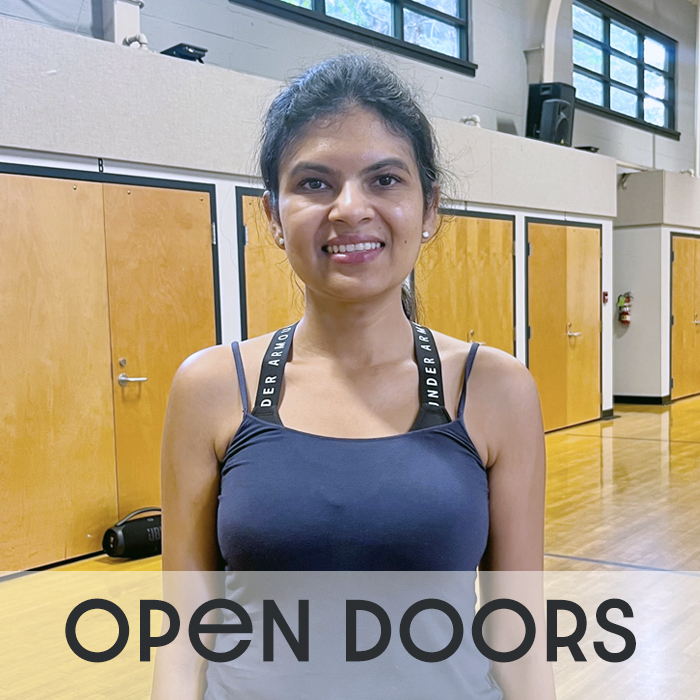
Meet Aditi Jaisia

At the Center for Modern Aging Princeton, we believe in celebrating diversity and promoting inclusivity through various cultural experiences. One such vibrant experience is Bollywood dance, led by our dedicated instructor Aditi Jaisia. Aditi brings the magic of Bollywood to our older adults, creating a lively and engaging environment where participants can enjoy the many benefits of dance.

Her classes are a testament to the power of movement and the joy it can bring to people of all ages. In this interview, Aditi shares her passion for Bollywood dance, memorable experiences with her students, and the profound impact her classes have on the older adults at our center.

1. How would you describe yourself as a Bollywood instructor, and what inspired you to teach these classes for older adults at the Center for Modern Aging Princeton?
As a Bollywood instructor, I would describe myself as energetic, passionate about dancing, and someone who feels the music deeply. I have been pursuing dance personally for more than two decades now, bringing a wealth of experience and dedication to my classes. My sessions are designed to be fun, engaging, and accessible, focusing on the joy of movement and the rich cultural tapestry of Bollywood.

What inspired me to teach these classes for older adults at the Center for Modern Aging Princeton is the belief that dance is a universal language that transcends age. I wanted to create a space where participants could experience the physical, emotional, and social benefits of dance. Bollywood dance, with its lively music and expressive movements, offers a perfect medium to keep aging adults active and joyful.

2. Could you share a memorable experience from one of your Bollywood classes for older adults? What reactions have you observed, and how do you believe this dance form benefits aging adults?
One participant mentioned that they hadn’t moved this much in over a decade, which was incredibly heartwarming to hear. Another common reaction across the board was that the session was a fun way to move their whole body, something they rarely get to do in other fitness classes or in their daily lives. These responses reinforce my belief that Bollywood dance is not just a form of exercise but also a source of joy and community.

3. Why do you think Bollywood dance is beneficial and enjoyable for our participants? Which aspects of Bollywood dance do you find most impactful for them, both physically and emotionally?
Bollywood dance is beneficial and enjoyable for older adults due to its vibrant and engaging nature. The dynamic movements help strengthen muscles, improve balance, increase flexibility, and boost cardiovascular health. This full-body workout enhances physical well-being, making it an excellent fitness option for aging adults.

Emotionally, Bollywood dance brings joy and fun, reducing stress and promoting a sense of well-being. The cognitive stimulation from learning dance routines enhances memory and focus. Additionally, group classes foster a supportive community, alleviating feelings of loneliness. The cultural enrichment of Bollywood dance adds an educational and enjoyable dimension to the experience.

Aditi Jaisia’s dedication to bringing Bollywood dance to older adults at the Center for Modern Aging Princeton highlights the importance of inclusivity and cultural diversity in our community.

Her classes not only promote physical health but also bring joy, connection, and a celebration of cultural heritage.

Evergreen Forum: Antebellum America

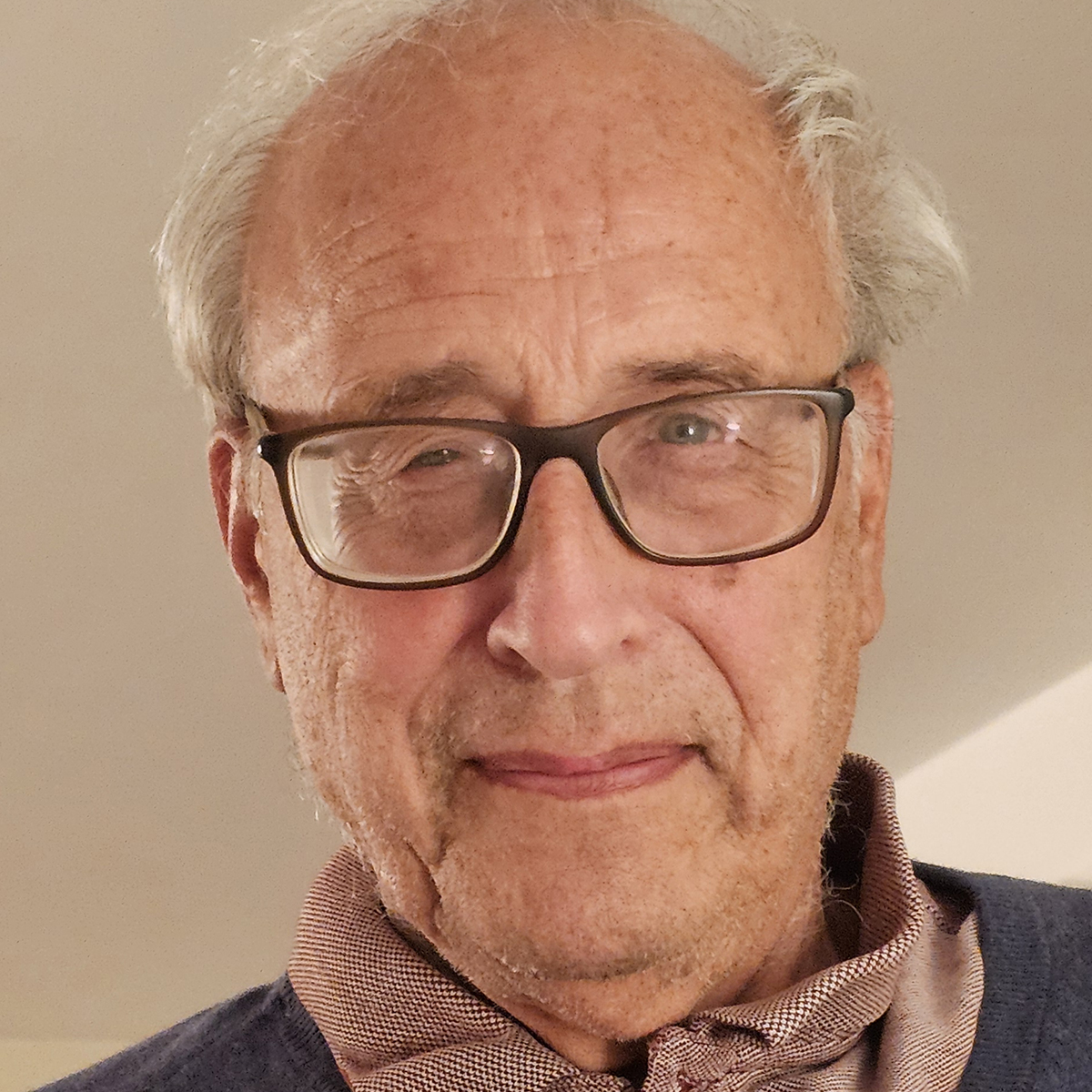
After a distinguished legal career, Mr. Frank has discovered a new passion for writing in his retirement. His previous works, exploring the Constitution, the Gay Rights movement, and the 2016 election, reflect his deep interests and have all been well-received. 

Now, drawing inspiration from his latest book, Mr. Frank brings his keen eye to the past with an exciting new course at the Evergreen Forum: Antebellum America: It Still Matters. This course delves into the critical period of 1789 to 1861, exploring how issues of slavery, the evolving interpretation of the Constitution, war, and more continue to shape our present day. 

Lovers of history and those who wish to reflect on the reflections of our past as they impact our present will enjoy Antebellum America: It Still Matters. We hope you’ll join Mr. Frank on Thursday mornings at 10:00 a.m. for this insightful exploration of history’s enduring impact for this fall’s semester of Evergreen Forum. 

Learn more about Evergreen Forum and the fall 2024 course brochure here: https://cmaprinceton.org/evergreen-forum/

Evergreen Forum: Histories of Indigenous Peoples in America

Check Out One of Evergreen Forum’s New Courses: Histories of Indigenous Peoples in America with Robert Nolan

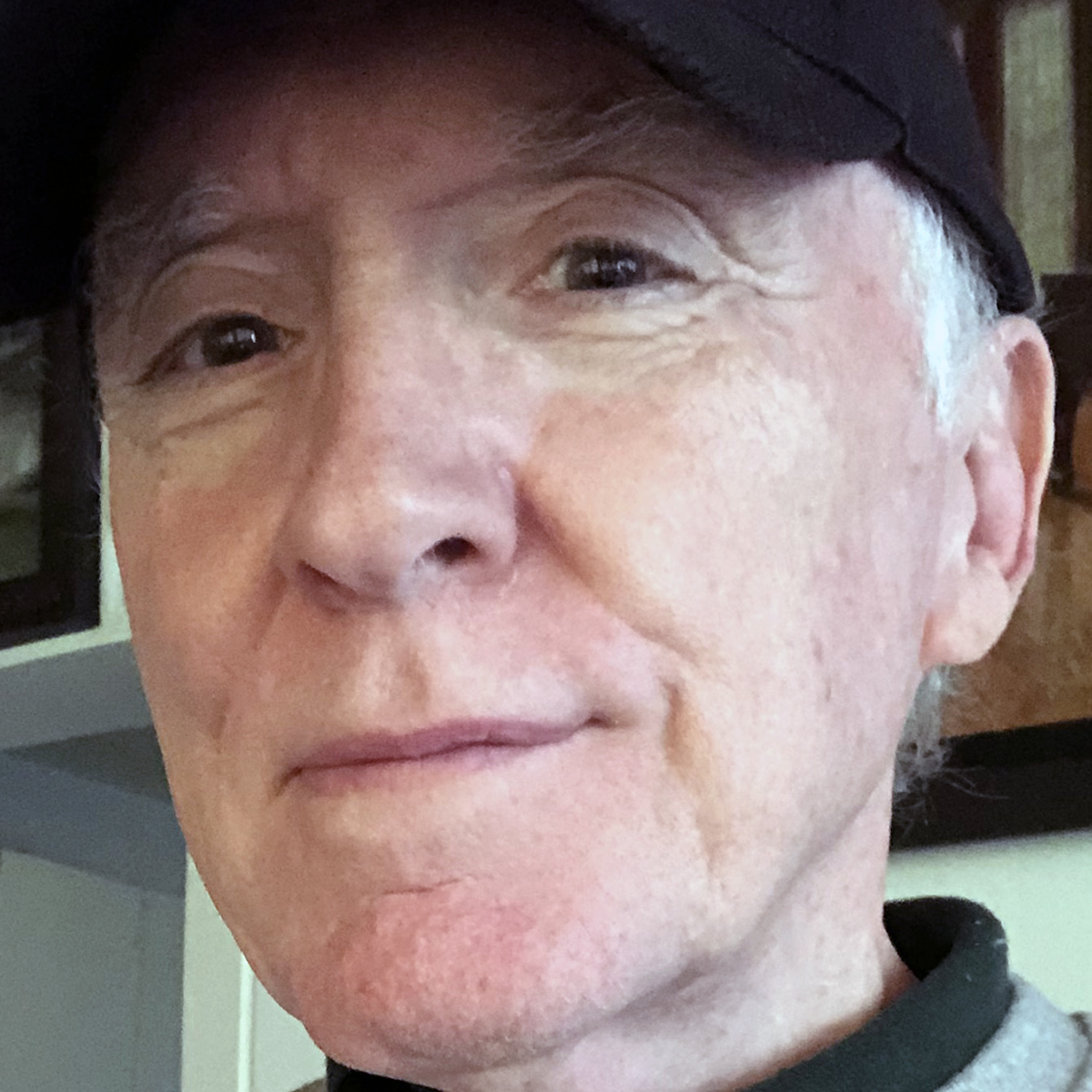
Get ready for a intricate journey through the Histories of Indigenous Peoples in America with course leader Robert Nolan this fall! Robert, with a history degree from the University of Scranton and a law degree from Harvard, brings a wealth of knowledge and a passion for sharing the diverse cultures and histories of Indigenous Peoples across the continent.

Having retired from a dynamic career that spanned from federal prosecutor in Pennsylvania to CEO of a multi-hospital health system in Texas, Robert now enjoys a quieter life—except for his occasional adventures like whitewater rafting in the Grand Canyon and trekking the Sahara Desert. And, of course, spending countless hours preparing for his next course for Evergreen Forum.

Reflecting on his teaching experience, Robert shared, “I teach to learn. And I teach because many who take my courses seem to like them. So we spend pleasant hours together, enjoying each other’s company while learning about very interesting peoples, places, ideas, and ages. It’s a cool thing to do.”

We hope you consider joining Robert this fall, diving into the fascinating cultures and histories of Indigenous Peoples and their enduring legacies.

Learn more about Evergreen Forum and the fall 2024 course brochure here: https://cmaprinceton.org/evergreen-forum/

Evergreen Forum: Sunken Vogage

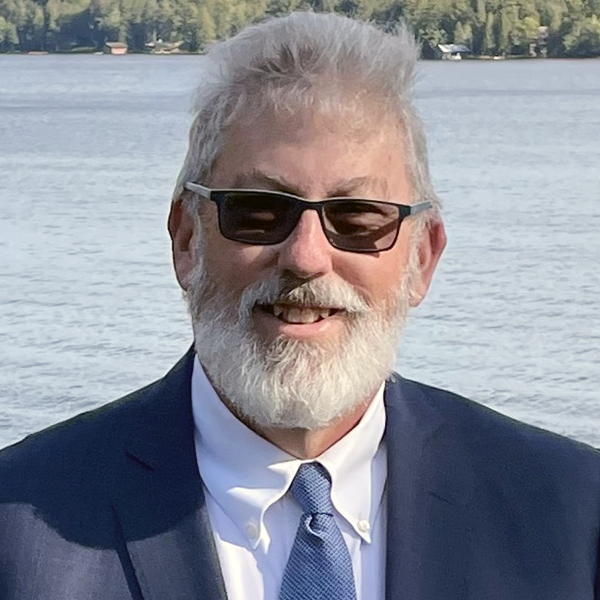
Join Evergreen Forum this fall and discover the mysteries of historic shipwrecks with new course leader, Dr. Rich Hendrickson

Dive into the fascinating world of historic shipwrecks from across the globe alongside Dr. Rich Hendrickson! A retired elder in the United Methodist Church from Moorestown, New Jersey, Rich has an unwavering passion for all things shipwrecked. When asked about his upcoming course with the Evergreen Forum, Rich said, “I’m excited to teach for the first time in the Evergreen Forum. I am continually impressed by the course offerings and feel very privileged to be part of Evergreen Forum.”

In his downtime, Rich enjoys life with his wife, the Rev. Dr. Gina Hendrickson, and spending time with his two adult children, Krista and Rebecca, plus his lively grandchildren, Abby and Peter. Rich fills his days with reading, hiking, cooking, and adventuring with his spirited Chesapeake Bay Retriever, Ruhe.

Whether you’re a seasoned enthusiast or just dipping your toes into the world of maritime history, join Rich this fall for deep sea explorations you won’t want to miss!

Learn more about Evergreen Forum and the Fall 2024 course brochure here: https://cmaprinceton.org/evergreen-forum/

GrandPal Renee Shields

Renee Shields has been reading in Princeton schools as a GrandPal since 2015, except for the two years when the program was interrupted by COVID. After many years of practicing law and a few years of teaching elementary school, she returned to be a caregiver for her mother who lived to be over one hundred. “I have loved every minute, and reading to the students helped me through my period of caregiving,” she says.

“I was at one of the schools about to read and pulled my reading glasses out of my purse. I discovered there were no lenses in them. I remarked to the students, ‘Well those were my $2.00 reading glasses but I can still read.’ The next time I came to read my student asked me if I had my $2.00 reading glasses. She remembered what I had said. This reminded me that they remember every word I read or say. It ends up that the lenses had fallen out when I pulled my glasses from my purse. As we were leaving that day another GrandPal discovered them on the floor.”

How to Navigate Our Fragmented Medical System

For three years, Lil Banchero’s 86-year-old mother struggled with pain due to advanced arthritis. She tried yoga. Doctors prescribed medications and tried injections. Nothing worked. The pain got worse, and her mother became depressed. 

“Months passed,” said Banchero. “Nobody was paying attention anymore.”

Finally, Banchero accompanied her mother to a doctor’s appointment and insisted, “There’s got to be something else out there we can try.” 

The doctor prescribed another medication, and that—combined with meditation, walking and yoga—finally made the pain manageable.

“My mother is a different person now,” Banchero said. “She went out and got a pedicure today. It’s been life changing.” 

Banchero knew how to advocate for her mother because she’s a nurse and program coordinator for the Institute for Healthy Aging at the Luminis Health Anne Arundel Medical Center in Annapolis, MD. But more and more older adults who are not medical professionals will need to learn that skill, too. That’s because, just as the population of older Americans is ballooning, several factors are conspiring to make getting good medical care even harder.

Older adults often have multiple chronic conditions involving a multitude of specialists. (A third of older adults see at least five different specialty medical providers each year.) The fragmented, siloed nature of the American health care system delegates the task of coordinating that care to primary care physicians (PCPs), who are overworked, pressed for time and in short supply. There’s an even greater dearth of geriatricians, who specialize in caring for older adults. And projections say it’s only going to get worse.

The bottom line: just showing up for appointments and following doctors’ orders doesn’t guarantee good care.

Said Banchero: “You’re the pilot of your own care.”

 Quarterbacking Care

That reality shocked Tina Sadarangani, PhD, an assistant professor at New York University’s Rory Meyers College of Nursing. When her parents developed serious health conditions, she discovered how much responsibility falls on patients and their families. Even though she’s always treated patients, and although both parents are retired physicians, quarterbacking their care has proven exhausting. 

Spurred by her experiences, Sadarangani created CareMobi, an app for coordinating care, and the Enlightened Caregiver, an Instagram with tips for patients and their care partners.

“We may not be able to fix the broken system, but we can figure out how to work within the system,” she said. 

Her advice: make the most of medical visits, which may run only five minutes. Consider recording conversations with the doctor to help remember details. Bring a family member or friend to the appointment.

“Plan your story ahead,” she said. “Lead with your most pressing problem and get the timeline of your symptoms straight with as many specifics as possible. It makes a big difference to your doctor if your cough has been going on for several months instead of two weeks, for example.” ⠀

When describing a symptom, Sadarangani said, tell the doctor how it’s affecting your ability to function. Instead of just saying “My back hurts,” be specific: “I was playing golf five times a week until this back pain started, and now I can’t get out of bed.” 

Keep track of basics, like your numbers if you have high cholesterol, and what direction they’re moving in. 

Specific information helps ensure the doctor doesn’t dismiss your symptoms as “just getting old,” Sadarangani added. 

“If you want the doctors to be proactive and to help you maintain the level of functioning you want, you need to be clear about that,” she said. “You need to say, ‘I want to be back in my golf game. What can you do to help me get there?’”  

If you have questions, write them down in advance and frame them carefully. 

“If you’re not precise with an ask, the physician is probably not going to pay attention,” Banchero said. 

Before leaving a doctor’s office, make sure you are clear on your next steps. If the doctor ordered a test, for example, ask: How and when will you get the results?  Depending on the test results, will you need another test, or to schedule another appointment? If you’ve seen the doctor for a new symptom or acute illness, ask when you should expect improvement, and what new or continued symptoms warrant a call to the doctor’s office or even a trip to the ER. Find out the best way to contact the doctor or a nurse after hours, if the need arises. Assume the ball is always in your court because, in most situations, it is. 

Consider yourself the central repository for your medical records. In theory, after an exam, each specialist sends the records to your primary care physician. Don’t count on that. If you see a specialist, follow up with your PCP’s office to confirm that the record was received and reviewed. Keep your own record of each visit, too.

Banchero encourages patients to educate themselves on some medical basics. For example, if you have high cholesterol, keep track of your numbers and understand what they mean. That way you’ll know whether you’re improving or getting worse and can discuss that with your doctor if needed. 

Many experts noted that patients can ask for an annual Wellness Visit—an extended, 45-minute visit, covered by Medicare, that includes a review of your medical and family history and current prescriptions, as well as advance care planning and a cognitive assessment. That in-depth visit can ensure that your health care plan is personalized. 

Managing Multiple Meds

In her previous job as executive director of a senior living community, Jenni Knutson, CDP, always made sure that residents were prepared for medical emergencies. Any time a resident was taken to the ER, Knutson handed paramedics a list of the person’s medications, insurance information and other documents. 

But that didn’t always work, as Knutson discovered when visiting a resident who’d been taken to the hospital in an ambulance and admitted. Family members were puzzled because the patient hadn’t eaten in days. When Knutson asked the nurse on duty at the hospital to check, they discovered that the patient’s medication record wasn’t updated in the hospital system. No one at the hospital was aware that the patient had been taking a strong anti-psychotic medication daily before she was admitted. As a result, the patient had gone “cold turkey” during the six days she’d been in the hospital, which explained the appetite loss. 

“Likely a doctor in the ER reviewed her medication list, then set it down on a counter, and no one updated the computer system,” said Knutson, who is now a senior life care manager with Olive Branch Seniors based in the Dallas, TX, area. 

Knutson said that many missteps in medical care for older adults relate to medications. About half of adults 65 and older report taking four or more prescription drugs daily. One study showed that one in seven cases of emergency department visits by older adults were medication related—and over three-quarters of them were preventable. Medication-related problems included adverse drug events (side effects) as well as those due to noncompliance—taking too much or too little of the medication, or stopping the drug entirely without medical supervision.

To help avoid these missteps, keep an updated list of all medications, including the name, dosage, date, number of refills and instructions (such as whether to take with or without food). That list should include prescriptions, over-the-counter medications, supplements and herbal remedies. 

Also, know that it’s also up to you to make sure every provider has the most updated list.

As you grow older, medication side effects can become more common or severe. Ask your doctors whether you really need all the drugs you’re taking. 

“Share your medication list with all of your health care providers, especially when you see a new doctor, get a new prescription or have a change in your condition,” said Erin Inman, PharmD, vice president of Corewell Health in Grand Rapids, MI. Ask the doctor to review the list for possible interactions. 

Pharmacists can also serve as an excellent resource between doctor visits, Inman adds. 

“Your pharmacist can answer any questions you may have,” she said. “You can request a review of your complete medication list for potential interactions or duplications. This is what pharmacists are trained to do.” (Call ahead to make sure the pharmacist has time to review the medications or to schedule a time.)

Inman recommends filling all your prescriptions at a single pharmacy, if possible. Anytime a new medication is prescribed, she advised, ask the doctor: “Is this medicine additive or is it replacing something else? How long do I need to take it—for a period of time or is it going to be lifelong?” 

Geriatricians review patients’ medication lists with an eye toward “deprescribing,” because side effects may become more common or severe as patients get older. Don’t hesitate to ask your doctor about this.

“You can ask your providers about de-prescribing, especially if you suspect a medication or medication interaction is causing an adverse symptom or no longer helping,” said Kylie Meyer, PhD, assistant professor at Bolton School of Nursing at Case Western Reserve University in Cleveland, OH. 

Enlisting Care Partners

Many experts advise bringing a care partner—a trusted friend or family member—along on appointments to serve as a second set of eyes and ears. That’s especially important for patients who may have cognitive impairment. Care partners can work with the primary provider to keep the dots connected, said Denise Lucas, PhD, clinical associate professor and chair of advanced practices at Duquesne University’s School of Nursing in Pittsburgh, PA.       

The care partner should also obtain access to the patient’s online medical records. Banchero can log onto her mother’s account for MyChart, the health care system’s patient portal, to check on test results and other developments. (Patients are permitted to share their log-in info if they so choose.) 

A care partner can be especially helpful for older patients who aren’t comfortable asking questions, said Erica Stevens, DO, department chief of primary care at Corewell Health in Grand Rapids, MI.

[Older adult patients] may feel like asking questions is disrespectful,” she said. “But it’s actually welcomed, from a provider’s lens, because I don’t know what’s happening in your home.” If a patient is forgetting things, or having trouble getting out of a chair, she wants to know, especially if the problem has worsened recently. 

For older adults without family nearby, some community agencies may be able to help with this role. “Contact your local Area Agency on Aging and request help from publicly funded Care Coordination Services,” said Dennis Meyers, PhD, chair for the residential care of older adults at Baylor University’s Garland School of Social Work in Waco, TX. “Organizations such as the Alzheimer’s Association and American Heart Association also offer guidance on how to access care.” 

Becoming Age-Friendly 

Some hospitals and clinics are working to improve care for older adults by becoming certified Age-Friendly Health Systems. That involves adopting practices centered on the “4Ms” of good geriatric care: What Matters, Medication, Mentation and Mobility: 

  • “What Matters” involves considering the older adult’s priorities in making treatment decisions—for example, honoring a 90-year-old patient’s desire to forego aggressive cancer treatment. Don’t hesitate to express your wishes to your doctor. 
  • “Medication” means considering your medicine and supplement needs and issues, as described earlier in this article.
  • “Mentation” issues, such as forgetfulness, can be dismissed by primary care physicians as part of normal aging. Ask for an assessment if you’re experiencing cognitive issues. 
  • “Mobility” is another area that primary care physicians might brush aside. If you’re having trouble getting around, ask about the possibility of physical therapy (which may help you regain or maintain physical function) or occupational therapy (which can help you adapt to changes in mobility and optimize functioning). 

As more hospitals adopt age-friendly measures, which Banchero’s hospital helped develop, more older patients will get the care they need in the future. But until they do, the onus falls on older adults and their care partners to be smart, educated and empowered. 

“We really do need to be advocates for ourselves,” she said. “There are so many phenomenal advancements in medicine today. I would never [accept], ‘It’s just because you’re old.’”

 

Meet Kimberly Figueroa-Martínez

“My name is Kimberly Figueroa Martínez, and I work with the Municipality of Princeton as the Community Outreach Coordinator. One of the events I’m particularly proud of organizing is the annual Lotería. Each year, we host it at different locations, and the most recent one was held at the Princeton University Art Museum. It was a huge success with approximately 150 participants. We partnered with the Municipality, the Center for Modern Aging Princeton, and the Princeton University Art Museum, making it a memorable event for everyone involved. It is a great activity to bring the community together.

I’m also excited to share that I’m currently expecting my first baby. I’m thrilled about raising my child here in Princeton and Mercer County. This area has so many events and activities for families, which I absolutely love. However, I believe there’s always room for improvement, especially when it comes to community programs. Enhancing these programs would make our community even stronger and more connected.

I love living in this area because of the vibrant community and the numerous opportunities for family activities. My hope is to continue contributing to this community and making it a wonderful place for my child and everyone else to live.”

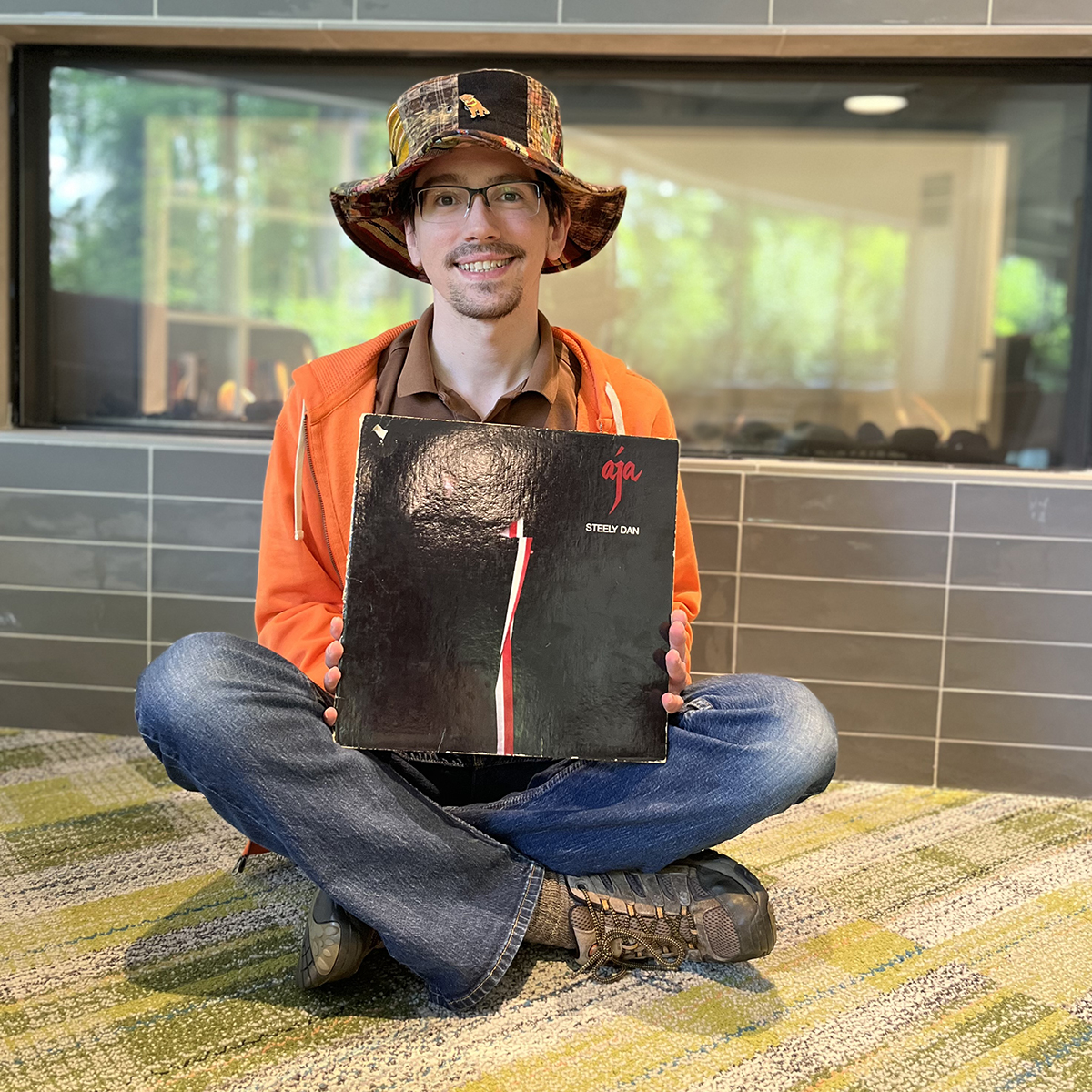
Rhythms and Roots – “Aja”

Rhythms and Roots: A Musical Journey with Nick

Today’s Recommendation: Steely Dan’s “Aja”

Steely Dan’s 1977 album “Aja” is a masterful fusion of rock, pop, and jazz that exemplifies the sophisticated sound of the 1970s. Originating as a full band, Steely Dan eventually evolved into a duo comprising Donald Fagen and Walter Becker.

They employed highly skilled session musicians to achieve their distinct musical vision, resulting in “Aja,” an album renowned for its meticulous craftsmanship and attention to detail.

With its smooth, refined nature, “Aja” offers a listening experience that bridges different generations, making it an excellent choice for people who appreciate both traditional and contemporary sounds.

Q: Why do you think “Aja” is especially appealing to the audience at the Center for Modern Aging in Princeton?
Nick: “Aja” is an album that blends familiar jazz elements with modern sounds, making it accessible and enjoyable for our audience. It has a smooth, refined quality that isn’t aggressive, which can resonate with listeners who enjoyed jazz, classical music, or classic rock bands like The Beatles and The Rolling Stones.

Q: What settings or moods do you recommend for listening to “Aja?”
Nick: “Aja” is versatile and suits various settings and moods. Whether you’re focusing on work, relaxing in the evening, or enjoying a calm morning with coffee, this album provides the perfect backdrop. Its sophisticated lyrics and musical craftsmanship ensure a timeless listening experience.

Q: How does “Aja” reflect the themes of diversity, equity, and inclusion (DEI) in music?
Nick: Steely Dan’s use of diverse session musicians, many from jazz backgrounds, highlights the importance of musical diversity and collaboration. By blending elements from different genres and showcasing the talents of a wide range of musicians, “Aja” exemplifies how inclusivity can enrich and elevate music, creating a more profound and varied listening experience.

BE THE FUEL

MAKE A DONATION TODAY

Your generosity is truly the fuel that empowers CMAP to change lives and to help older adults discover their “why!”

We invite you to donate to the 2023–2024 Annual Giving Campaign by June 30 to help us reach our goal.