Important Update: Temporary Closure of the Nancy S. Klath Center
Due to water damage, the Nancy S. Klath Center at 101 Poor Farm Road is temporarily closed and under construction. For your safety, please do not visit the building. We will notify the community when it is ready to reopen.

CMAP remains fully operational during this time. Staff are working remotely and from the Suzanne Patterson Building at 45 Stockton Street. Programs will continue as planned at the Suzanne Patterson Building and in virtual formats. We appreciate your understanding as we work to minimize disruption to our community.

CMAP Holiday Coat Drive

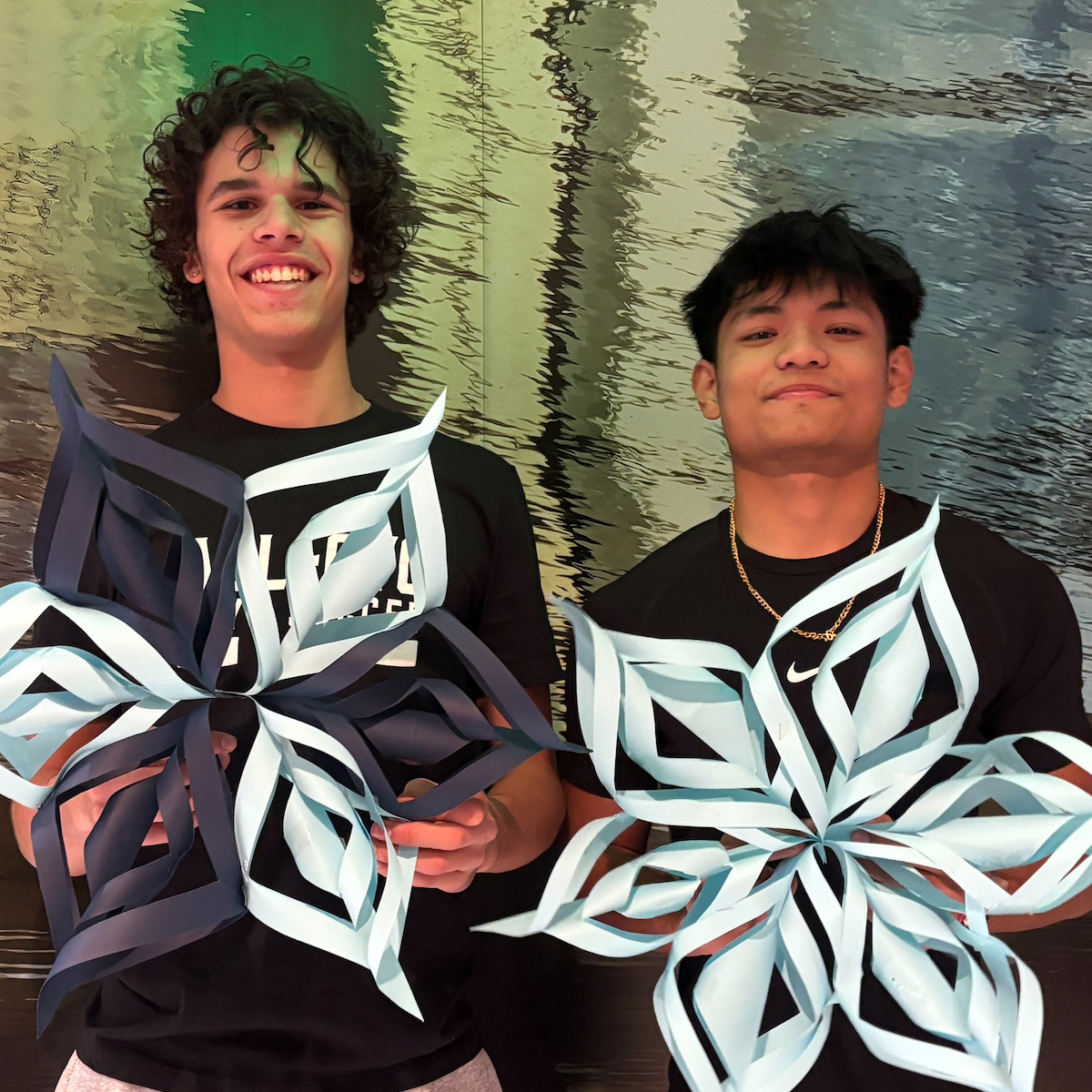
This holiday season, our Senior Coat Drive wrapped our community in warmth in more ways than one. Through the generosity of twenty-five sponsors, twenty-five brand-new winter coats were purchased and gifted to seniors in our community. Each coat offered protection from the cold, but more importantly, it carried a powerful message: you are seen, valued, and supported.

The joy behind the scenes was just as meaningful. In December, fifteen high school students came together to support the effort, filling the space with laughter and holiday cheer as they wrote 80 heartfelt holiday cards, created festive decorations, and lovingly gift-wrapped each coat. Their enthusiasm and care transformed the project into a true intergenerational celebration of giving.

The coats were presented at a holiday luncheon, a festive gathering filled with warmth and connection. Seniors enjoyed a delicious meal, music, and a lively raffle, all while sharing smiles and conversation with neighbors and community members. The room was full of holiday spirit, reminding everyone present that community is one of the greatest gifts we can offer.

This Senior Coat Drive was more than a seasonal initiative; it was a beautiful example of what happens when generations come together with compassion, creativity, and care. Thank you to our sponsors, students, and community members who made this holiday season a little warmer for our seniors, both inside and out.

Stories Sewn Together

Stories Sewn Together: An Afternoon of Fabric, Coffee, and Conversation at CMAP

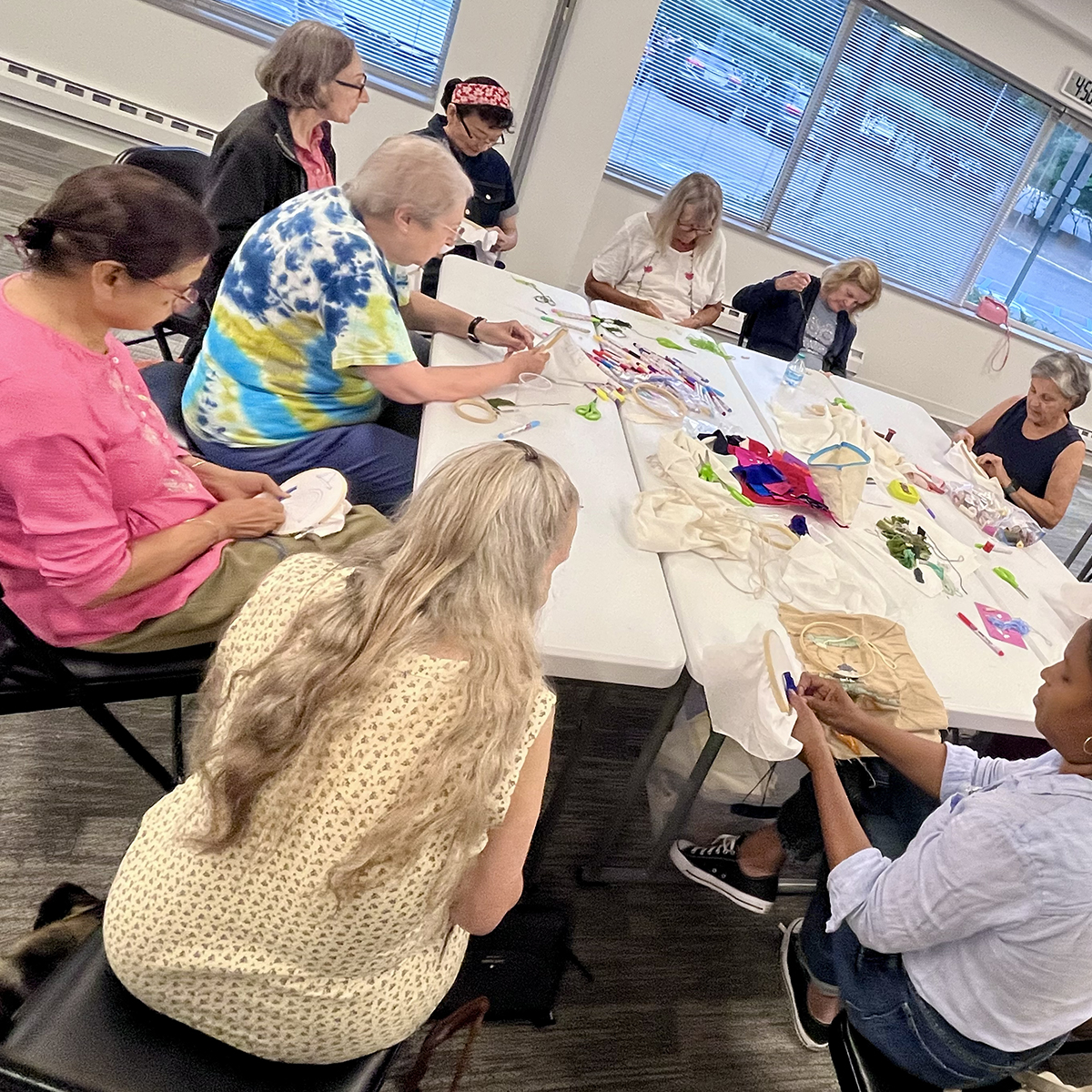
On an August afternoon, CMAP transformed into a vibrant space of creativity, memory, and dialogue during the workshop “Sewing Stories: Craft, Calm & Connection,” led by artist and educator Dr. Ronah Harris.

This was not your typical sewing class. Yes, there were threads, needles, and fabrics—but what was truly stitched together that afternoon were stories. A group of senior women came together not only to sew but to reflect on their lives, their struggles, and their shared histories.

Some focused intently on their stitching, others sewed while chatting. The topics ran deep: being a woman in the 1970s, the fight for gender equality, working in male-dominated spaces, and the evolving roles of younger generations—particularly boys and young men—in today’s society. Tales emerged of not being able to get a credit card without a husband’s signature, of unexpected business trips, of being the only woman in leadership positions. There were laughs, sparks of frustration, recognition—and, most of all, solidarity.

Ronah Harris didn’t just lead the sewing session—she gently steered the conversation, allowing stories to surface and flow in all directions. With her background as a researcher, professor, and artist, she created a space where every voice had room to speak, even when several voices spoke at once. It was beautiful, organized chaos—alive with shared memory.

The atmosphere was diverse: some participants stayed quiet and immersed in fabric; others opened up with deep stories. Some sipped coffee, others simply enjoyed the colors and textures they had chosen. The workshop was free, spontaneous, and welcoming—each person finding their own rhythm.

One participant shared: “It wasn’t just about sewing. It felt like each stitch connected me to something bigger—my mother, my past, the women who came before me.”

The conversation eventually turned toward daughters, granddaughters, and the disoriented youth of today. Discussions touched on education, masculinity, mental health, and the urgent need for safe, creative, and inclusive spaces.

By the end, everyone walked away with something handmade—and something heartfelt. Many expressed the desire to meet again, to keep sewing, to keep talking, to keep building.

Because in the end, sewing is also a way to remember, to heal, and to build community.

If you are human, you have biases

We all hold unconscious beliefs about others; it’s normal to categorize or organize our understanding of other people. This is known as “unconscious bias” or “implicit bias.”

Identifying our own biases can be complicated since they are strongly influenced by our upbringing and exposure to different groups of people. Additionally, there is no clear way to express them, and they encompass aspects such as political ideology, religious beliefs, financial influence, and misinformation, among others.

Some common examples of biases are:
• Attacking someone of a particular religion by questioning their nationality.
• Reporting an LGBTQ+ person for using the women’s restroom.
• Prohibiting employees from speaking a different language in public places.
• Calling the police because a couple of people of color are in a public space for an extended period.
• Assigning tasks only to people with whom we feel comfortable, ignoring the knowledge of others due to their different backgrounds.

Do I have biases?
Despite our best intentions, biases and discrimination can emerge in our communities, often where we least expect them.

Our biases can manifest in our behavior, comments, emails, text messages, articles, and in the connections, we establish with those around us. Some red flags include:

• When defending our arguments, we selectively present facts to reach our only conclusion.
• Attempting to persuade friends or family to think in a certain way without evidence for what we say.
• Using humor or irony to refer to certain people or groups.
• Using coded language, i.e., seemingly innocent words with an alternative or offensive meaning, such as “drug addicts,” “illegals,” “foreigners,” etc.
• Suspecting that someone has committed a crime based on their ethnic origin, either consciously or unconsciously.
• Paying more attention to the tone, emotion, or presentation of a fact, rather than what happened. This often occurs when concerns about racism or discrimination are invalidated.

A Starting Point
Because we are seldom aware of our biases towards others, it is crucial to create awareness to mitigate collective harm. To do this, it is essential to initiate conversations about the impact of discrimination. Here are some recommended practices:

Stay calm: Although it may be challenging to talk about biases, it is essential to remain calm.
Awaken your curiosity and listen: Listen to all opinions, even those that make you uncomfortable. Practice empathy by putting yourself in the other person’s shoes.
Don’t take anything personally: Avoid taking the opinions of others personally. Often, biases reflect more on the person expressing them than on the recipient.
Reflect on the conversation: Think about what you have learned by listening to others. Develop genuine empathy by putting yourself in their place.

Now that you’re willing to see the world through the eyes of others, what will you change in the future? Is there anything you can modify in your own behavior? Although we are very different individuals, our common ground is that we all belong to the human race; it’s just a matter of remembering it!

Guía compasiva en tiempos desafiantes

Muchas generaciones, en varias partes del mundo, hemos evidenciado conflictos y guerras a través de la historia. Han sido años de muchos de nosotros dedicados a la búsqueda y la construcción de paz desde nuestra labor diaria.  

Vivimos cada día con noticias desde distintas geografías con nuevas crisis, migraciones en aquí y allá, polémicas decisiones de cada mandatario, entender el papel de las organizaciones y el nuestro propio, y a la final, esperar a que un acontecimiento nos traiga esperanza.  

 Sin embargo, los tiempos actuales no son la excepción. El mundo tiene nuevos desafíos, la polarización es casi que agobiante y es claro que estamos atravesando profundos cambios colectivos. Y aunque nos apoyemos en uno u otro conocimiento intelectual para entender estas situaciones adversas, es completamente normal que surjan sentimientos de desesperación, confusión, tristeza, miedo e incertidumbre en nosotros o nuestros familiares.  

Estamos expuestos como humanidad, y en medio de tan diversos análisis y puntos de vista, no es claro saber qué nos espera. Pero si hay algo que podemos hacer, es empezar a aportar positivamente a la historia colectiva, a través de herramientas como una buena gestión emocional, la resolución efectiva de conflictos, la disminución de la violencia e incluso, el buen cuidado de tu salud mental. Aquí te presentamos algunos tips que puedes implementar: 

  • Acepta la dualidad que habita en cada persona: reconoce la intrincada dualidad en cada individuo, la capacidad para el bien y el mal, la interacción entre el amor y la angustia existencial. Durante momentos desafiantes como los actuales, es fácil caer en el impulso de deshumanizar a otros con etiquetas como “monstruos” y convertirlos en tus enemigos. Sin embargo, la tarea es más bien enfocarte en comprender la complejidad de las personas y evitar caracterizarlas basándote sólo en prejuicios preconcebidos. 
  • No te aferres al dolor colectivo, más bien intenta convertirte en un canal: a diferencia de una maleta que almacena y lleva el peso del mundo, un canal permite que el dolor fluya. Evita identificarte demasiado con el dolor, pues sólo es parte de tu experiencia, no tu identidad.  
  • Humaniza a tus “adversarios”: primero, intenta la autorreflexión y aléjate un poco de tus suposiciones y sesgos. Luego, reconoce que tus adversarios, independientemente de sus opiniones, son fundamentalmente humanos, como tú con miedos y deseos. Reconocer esta humanidad compartida fomenta la empatía, incluso cuando hay desacuerdos.  
  • Asume un papel pacificador(a): hay personas, organizaciones, e historias inspiradoras a nivel mundial. Si alguno de ellos resuena contigo, participa activamente en su misión con tus capacidades, tiempo o donaciones. 
  • Enfócate en consumir contenido de valor: en un mundo de medios masivos de comunicación, manejados por intereses particulares, con titulares divisivos, decídete por consumir libros, boletines, documentales y periodismo independiente. Busca contenido que te conduzca a cultivar perspectivas más profundas y completas, no solo información fragmentada.  
  • Recuerda siempre la fragilidad de la vida: la vida, independientemente de su forma, es efímera, especialmente en estos tiempos tumultuosos. Esta realización puede entristecernos, pero también empoderarnos. Cuando recuerdas la fragilidad de la vida, te motivas a seguir adelante y cumplir tus propósitos. 
  • Elige ayudar a otros: ya sea como voluntario con quienes luchan contra enfermedades o apoyando a refugiados, una vida con trabajo de servicio cambia tu perspectiva y dirige tu energía hacia un impacto significativo y sin espacio para odios ni discusiones triviales. 
  • Reconoce que sí ‘eres el cambio’: a veces, presenciar las luchas del mundo puede hacernos sentir impotentes. Y si bien, individualmente no podamos cambiar el mundo, ciertamente podemos cambiar una o varias vidas, comenzando por la tuya. Sé amable, escucha, cuida y comparte con quien tienes al lado, también esa persona está intentando aligerar el peso actual de nuestro mundo. 

Compassionate Guide in Challenging Times

For many generations across the world, conflicts and wars have been evident throughout history. Many of us have dedicated years to the pursuit and construction of peace in our daily work. 

Every day, we encounter news from different geographies with new crises, migrations here and there, controversial decisions from leaders, understanding the role of organizations and our own, and ultimately, hoping for an event that brings us hope. 

However, current times are no exception. The world faces new challenges, polarization is almost overwhelming, and it’s clear that we are undergoing profound collective changes. Despite leaning on various intellectual understandings to comprehend these adverse situations, it’s entirely normal for feelings of despair, confusion, sadness, fear, and uncertainty to arise in us or our loved ones. 

We are exposed as humanity, and amid diverse analyses and viewpoints, it’s unclear what awaits us. But one thing we can do is begin to contribute positively to collective history through tools such as good emotional management, effective conflict resolution, the reduction of violence, and even taking good care of your mental health. Here are some tips you can implement: 

  • Accept the duality within each person: Recognize the intricate duality in every individual, the capacity for good and evil, the interaction between love and existential anguish. During challenging moments like the current ones, it’s easy to succumb to the impulse of dehumanizing others with labels like “monsters” and turning them into enemies. However, the task is to focus on understanding the complexity of people and avoid characterizing them based solely on preconceived prejudices. 
  • Don’t cling to collective pain; instead, try to become a channel: Unlike a suitcase that stores and carries the weight of the world, a channel allows pain to flow. Avoid identifying too much with pain, as it’s only part of your experience, not your identity. 
  • Humanize your “adversaries”: First, engage in self-reflection and step away from your assumptions and biases. Then, recognize that your adversaries, regardless of their opinions, are fundamentally human, like you, with fears and desires. Acknowledging this shared humanity fosters empathy, even in disagreement. 
  • Assume a peacemaker role: There are inspiring people, organizations, and stories worldwide. If any of them resonate with you, actively participate in their mission with your skills, time, or donations. 
  • Focus on consuming valuable content: In a world of mass media controlled by particular interests, with divisive headlines, choose to consume books, newsletters, documentaries, and independent journalism. Seek content that leads you to cultivate deeper and more complete perspectives, not just fragmented information. 
  • Always remember the fragility of life: Life, regardless of its form, is ephemeral, especially in these tumultuous times. This realization can sadden us but also empower us. When you remember the fragility of life, you motivate yourself to move forward and fulfill your purposes. 
  • Choose to help others: Whether as a volunteer with those fighting diseases or supporting refugees, a life of service changes your perspective and directs your energy toward significant impact, leaving no space for hatred or trivial arguments. 
  • Recognize that you are ‘the change’: Sometimes, witnessing the world’s struggles can make us feel powerless. And while individually we may not change the world, we can certainly change one or several lives, starting with yours. Be kind, listen, care, and share with those around you; that person is also trying to lighten the current burden of our world. 

Adaptive Fashion: Embracing Inclusivity

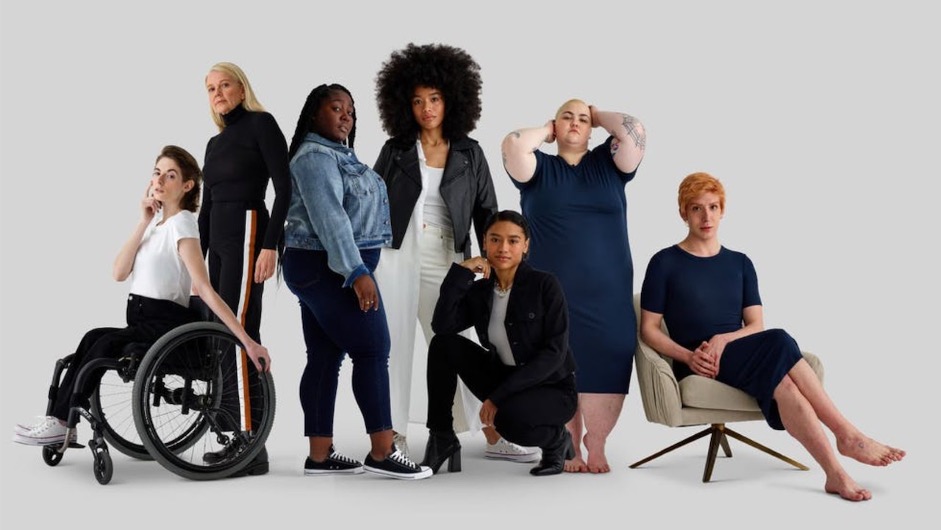
Fashion has long been a means of self-expression, but for older adults and individuals with disabilities, accessing stylish clothing that accommodates their unique needs has often been challenging. However, a transformative shift towards adaptive fashion is underway, ushering in an era of inclusivity and diversity.

So, What is Adaptive Fashion?

Adaptive fashion is designed to make dressing easier for older adults and individuals with mobility challenges. It features thoughtful modifications such as magnetic closures, adjustable hems, and convenient openings. While adaptive clothing has been around for centuries, it has gained broader availability recently, offering older adults and those with disabilities the independence to dress comfortably.

Examples of Adaptive Fashion

Adaptive fashion encompasses a range of clothing, including:

  • Pants: Designed for greater comfort, with higher backs and lower fronts, ideal for wheelchair users.
  • Shirts
  • Dresses
  • Skirts
  • Shoes: Easy to slip on without forceful pulling, often with magnetic closures.

These items prioritize practicality and ease of use, with convenient access points for medical equipment. Moreover, sensory-friendly options and one-piece outfits cater to various preferences.

Challenges in the Fashion Industry

Historically, the fashion industry lacked inclusivity and diversity. However, a growing movement is pushing for inclusive fashion for older adults and individuals with disabilities to change perceptions and promote accessibility in all aspects of life.

Here are some of the many companies looking to offer adaptive clothing and shoe lines!

Buck and Buck

Buck and Buck offers stylish and accessible clothing designed with seniors in mind. Their range features vibrant prints and comfy styles.

Explore their collection: Buck and Buck

Tommy Hilfiger Adaptive

Tommy Hilfiger Adaptive combines classic style with adaptive features, such as magnetic and Velcro closures. Their line includes options for men, women, and children.

Discover their range: Tommy Hilfiger Adaptive

Zappos Adaptive

Zappos Adaptive is expanding its adaptive shoe offerings, including individual shoe styles. This unique feature caters to those with varying shoe needs, such as orthotics or single-shoe requirements.

Explore their adaptive footwear: Zappos Adaptive

Rebound Wear

Rebound Wear uses athletic technical fabrics to create clothing that accommodates medical equipment. Shop for specific needs like incontinence, surgery recovery, or port/IV access.

Browse their collection: Rebound Wear

Supporting Adaptive Fashion

Though the fashion industry has come a long way, there is still work to be done to foster inclusivity in fashion for older adults and those with disabilities. Here are a few ways you can help:

  • Purchase Adaptive Clothing: Support retailers specializing in adaptive fashion, encouraging the continued production of stylish and accessible clothing.
  • Raise Awareness: Share information about adaptive fashion through social media and conversations with friends and family, shedding light on the importance of inclusivity.
  • Engage with Advocacy Groups: Collaborate with organizations that promote inclusive fashion, participating in events and campaigns to advance the cause.

The Future of Inclusive Fashion

The fashion industry is actively developing new technologies and materials to create even more accessible clothing. Innovations include fabrics that adapt to different body shapes and sizes and materials designed for the comfort of individuals with sensory sensitivities.

As the industry embraces inclusivity, adaptive fashion for seniors is not just about clothing; it’s about empowering older adults to express themselves confidently and comfortably, regardless of their physical abilities.

We hope that this work will continue, and we’ll see even more options in the future.

Exploring the World from Home: Virtual Travel

In a world that keeps moving faster each day, our desire to explore new horizons and savor the world’s wonders never truly fades. However, the idea of traveling the globe can sometimes seem daunting. Long flights, unfamiliar accommodations, and the exhaustion of travel can deter us from pursuing our wanderlust.

Enter virtual travel: offering a window to the world, bringing exotic destinations and vibrant cultures to your doorstep.

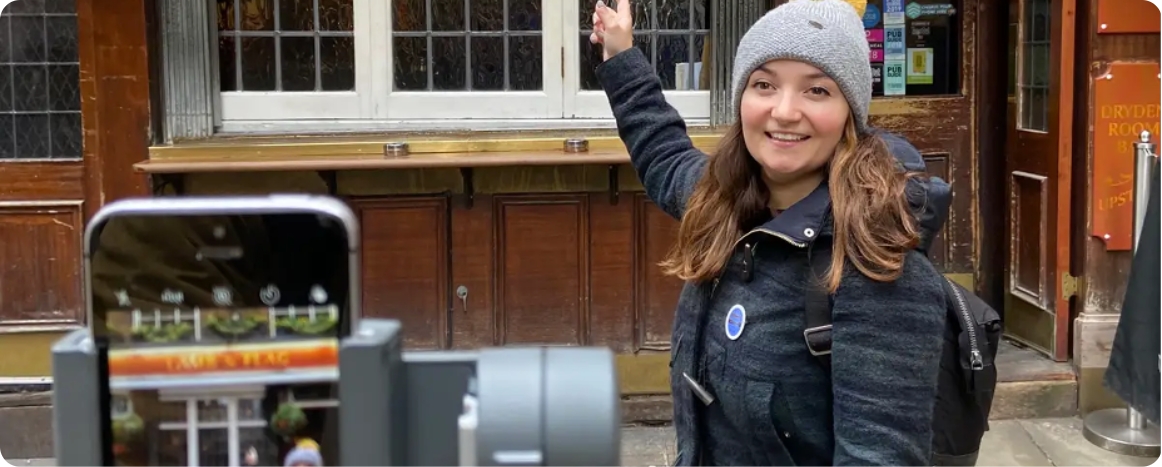
Virtual travel is more than just a trend; it’s a transformative experience that makes exploration accessible, affordable, and enjoyable. Plus, it’s interactive! With live virtual tours, you can actually hear from a tour guide in real-time and ask questions.

Below I’ve outlined three different live virtual tour platforms suitable for various needs and budgets.

Welcome to the world of virtual travel—where adventure begins with a click of the mouse!

HOP A TOUR

Hop A Tour offers live-streamed virtual tours with local guides from around the world. Their website allows you to connect directly with the tour guide to set a day/time, but they will have one of their staff members available during the tour to assist with the virtual screening.

Here’s a taste of the tours they offer:

  • Cruise the Amsterdam Canals
  • Maasai Mara Village Tour and Wildlife Safari
  • Nesso at Lake Como, Italy’s Fairytale Beauty

How to join:

  • Book a public virtual tour (prices vary)
  • Book a private tour for yourself, friends, or family (starting at $180)

Learn more at Hop A Tour.

TOURS BY LOCALS

Tours By Locals connects you directly with local tour guides worldwide. They offer various types of tours, including walking tours and guides presenting from their homes on different topics like history, culture, and food.

Here are a few examples:

  • Lisbon Old Districts – Outdoor Live Virtual Tour
  • Gladiators at the Colosseum – Indoor Virtual Tour
  • Malioboro Street: Yogyakarta – Outdoor Live Virtual Tour

How it works:

Book your tour directly through the website. Each tour has a different price and duration, so pay attention to the details in the description.

Check them out at Tours By Locals.

DISCOVER LIVE

Since 2017, Discover Live has been taking people on virtual journeys to more than 200 places and events worldwide. They’re known for their quality standards and customization.

While prices and the session length may vary, Discover Live is the priciest of the three options in this post, averaging around $250 for one hour and up to three virtual screens. Of course, as many guests as you would like could be on one screen.

Here are a few examples of their tours:

  • Santorini, Greece
  • Holiday in Berlin, Germany
  • Machu Picchu – In the Footsteps of the Incas

Learn More at Discover Live.


Traveling around the globe has never been easier and more educational with the wide range of virtual walking tours and presentations available. While we’ve only mentioned three options in this post, you can find many more online!

Thanks for reading, and I hope you enjoy your next getaway right from the comfort of your living room.

BE THE FUEL

MAKE A DONATION TODAY

Your generosity is truly the fuel that empowers CMAP to change lives and to help older adults discover their “why!”

We invite you to donate to the 2023–2024 Annual Giving Campaign by June 30 to help us reach our goal.