Important Update: Temporary Closure of the Nancy S. Klath Center Due to water damage, the Nancy S. Klath Center (101 Poor Farm Road) is temporarily closed for construction. For your safety, please do not visit the building. We will share updates as soon as it is ready to reopen.

CMAP remains fully operational. Staff are working remotely and from the Suzanne Patterson Building (45 Stockton Street). Programs will continue as scheduled at the Suzanne Patterson Building and in virtual formats. Thank you for your understanding.

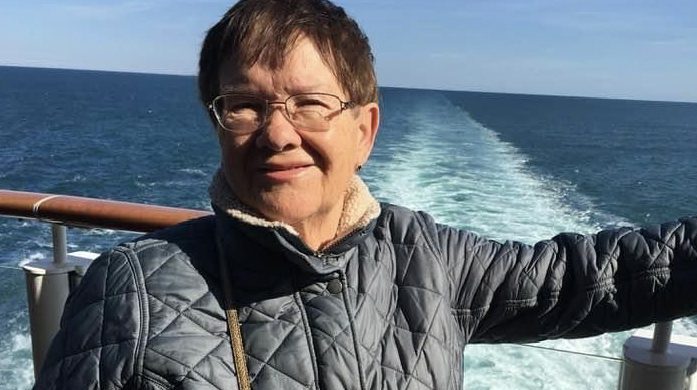
Meet Robin Bivins

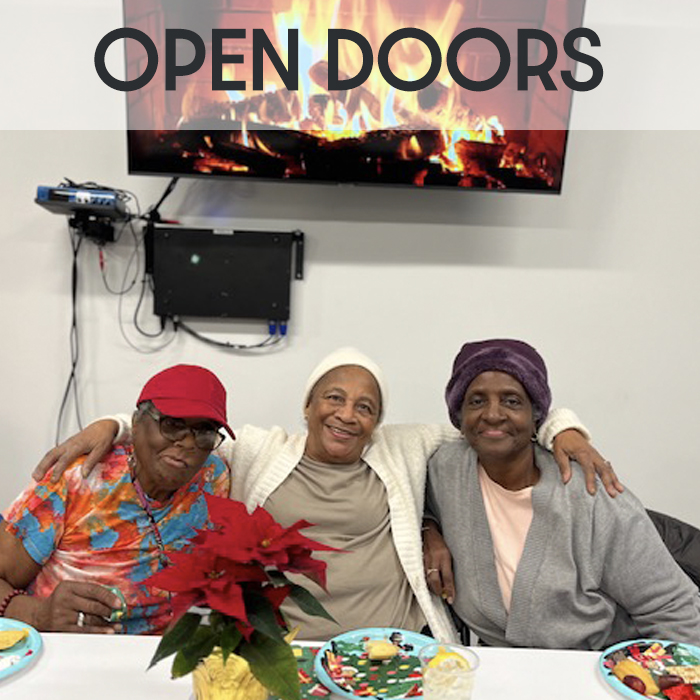
I’m Robin Bivins, a Princeton local and the sixth generation from the heart of New Jersey. Right now, I call Reading Circle home, and I’ve got to tell you, the Center for Modern Aging Princeton has become a special part of my life.

I joined in on the Christmas dinner festivities for the first time, and let me tell you, it was something else. The warmth, the laughter, and the sense of community—it just clicked. I’m definitely coming back for more, ready to dive into other programs they’ve got going on.

Why do I love it here? Well, it’s simple. The Center has been a real blessing for me. It’s not just about the activities; it’s about the people and the connections we make. There’s a certain joy in being part of something that feels like family.

Now, beyond the center, I wear another hat—I’m an evangelist at the Mount Pisgah AME Church right here in Princeton, a church with a whopping 198 years of history. I have a soft spot for spending time with older adults and making sure our seniors are well taken care of. I’ve been in the caregiving game for a long time, taking care of my mom and my husband through his battle with Alzheimer’s. It’s made me a bit of an expert on the topic, and it’s something close to my heart.

So, what’s my secret to staying active and healthy, you ask? Well, it’s not a secret, really. I’m all about social work and helping where I can.

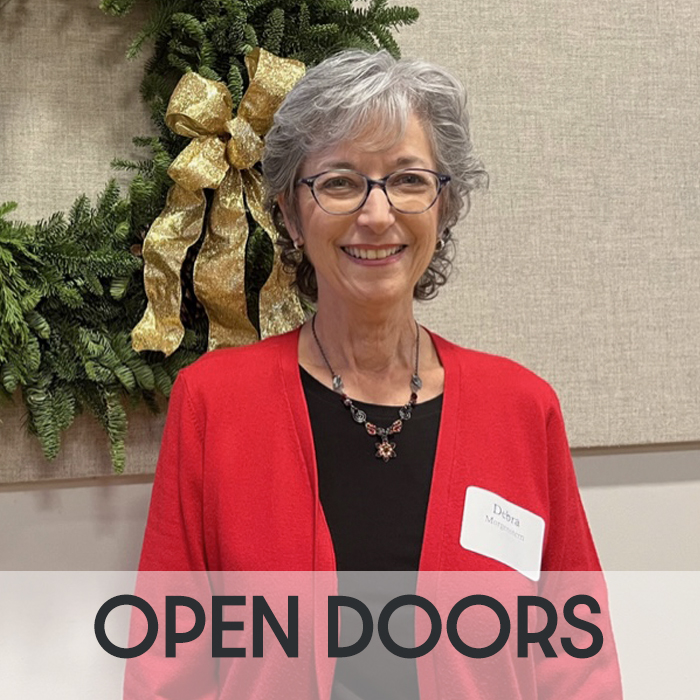
Meet Debra Morgernstern

I discovered a gem within the Center for Modern Aging Princeton — the French club. Joining this vibrant community not only revived forgotten memories but also introduced me to a circle of wonderful individuals. It’s a clear testament to the diverse and enriching experiences this center has to offer.

As a proud member of the Center, I can confidently affirm that this place has become my sanctuary. Seamlessly addressing the holistic needs of older adults, it provides a harmonious blend of social, physical, and mental stimulation.

Reflecting on life’s unpredictable journey, a valuable piece of advice stands out to me: embrace positivity. This mindset has been my guiding light when navigating challenges. Regular physical exercise plays a pivotal role in maintaining this outlook, and my deep love for dancing, especially salsa, has added a joyful rhythm to my daily routine. Dancing has become more than a pastime; it’s a source of pure joy and a life-changer.

Allow me to extend this heartfelt wisdom to you — in the flow of life, adopting a positive perspective and nurturing your physical well-being can be truly transformative.

Consider this my warm invitation to embark on a journey of self-discovery, community connection, and the simple joy of being. Give yourself the opportunity to explore endless possibilities and embrace the wisdom that comes from living a fulfilling life, all while reveling in the uplifting joy that dancing, particularly salsa, can bring. Envision each day as a new chapter in the beautiful story of life, waiting to be unfolded with a dance of joy.

If you are human, you have biases

We all hold unconscious beliefs about others; it’s normal to categorize or organize our understanding of other people. This is known as “unconscious bias” or “implicit bias.”

Identifying our own biases can be complicated since they are strongly influenced by our upbringing and exposure to different groups of people. Additionally, there is no clear way to express them, and they encompass aspects such as political ideology, religious beliefs, financial influence, and misinformation, among others.

Some common examples of biases are:
• Attacking someone of a particular religion by questioning their nationality.
• Reporting an LGBTQ+ person for using the women’s restroom.
• Prohibiting employees from speaking a different language in public places.
• Calling the police because a couple of people of color are in a public space for an extended period.
• Assigning tasks only to people with whom we feel comfortable, ignoring the knowledge of others due to their different backgrounds.

Do I have biases?
Despite our best intentions, biases and discrimination can emerge in our communities, often where we least expect them.

Our biases can manifest in our behavior, comments, emails, text messages, articles, and in the connections, we establish with those around us. Some red flags include:

• When defending our arguments, we selectively present facts to reach our only conclusion.
• Attempting to persuade friends or family to think in a certain way without evidence for what we say.
• Using humor or irony to refer to certain people or groups.
• Using coded language, i.e., seemingly innocent words with an alternative or offensive meaning, such as “drug addicts,” “illegals,” “foreigners,” etc.
• Suspecting that someone has committed a crime based on their ethnic origin, either consciously or unconsciously.
• Paying more attention to the tone, emotion, or presentation of a fact, rather than what happened. This often occurs when concerns about racism or discrimination are invalidated.

A Starting Point
Because we are seldom aware of our biases towards others, it is crucial to create awareness to mitigate collective harm. To do this, it is essential to initiate conversations about the impact of discrimination. Here are some recommended practices:

Stay calm: Although it may be challenging to talk about biases, it is essential to remain calm.
Awaken your curiosity and listen: Listen to all opinions, even those that make you uncomfortable. Practice empathy by putting yourself in the other person’s shoes.
Don’t take anything personally: Avoid taking the opinions of others personally. Often, biases reflect more on the person expressing them than on the recipient.
Reflect on the conversation: Think about what you have learned by listening to others. Develop genuine empathy by putting yourself in their place.

Now that you’re willing to see the world through the eyes of others, what will you change in the future? Is there anything you can modify in your own behavior? Although we are very different individuals, our common ground is that we all belong to the human race; it’s just a matter of remembering it!

Meet William Freeman

My wife passed away last June after battling cancer. It was a tough time for both of us, and her absence is felt every day. We spent over five decades together, and Princeton became our home during that time. Despite the sorrow, I find solace in the fact that Princeton is a place I truly cherish. It’s a quiet and welcoming town with a low crime rate, making it a place where I’ve felt secure and content.

The recent focus of my efforts has been on putting my life back in order after her passing. Today, for instance, I’m fixing a flat tire on my truck, a small task but an essential one to keep me mobile. I’ve come to appreciate the simple joys of life and the importance of taking care of myself.

In this personal journey, I’m committed to maintaining a balanced diet, staying hydrated by drinking plenty of water, and ensuring I get enough rest. These small habits, I believe, contribute to a healthier and happier life. Despite the challenges, I’m determined to continue doing what I can to add more years to my life, honoring the memories of the wonderful years I shared with my wife in this town we both called home.

Guía compasiva en tiempos desafiantes

Muchas generaciones, en varias partes del mundo, hemos evidenciado conflictos y guerras a través de la historia. Han sido años de muchos de nosotros dedicados a la búsqueda y la construcción de paz desde nuestra labor diaria.  

Vivimos cada día con noticias desde distintas geografías con nuevas crisis, migraciones en aquí y allá, polémicas decisiones de cada mandatario, entender el papel de las organizaciones y el nuestro propio, y a la final, esperar a que un acontecimiento nos traiga esperanza.  

 Sin embargo, los tiempos actuales no son la excepción. El mundo tiene nuevos desafíos, la polarización es casi que agobiante y es claro que estamos atravesando profundos cambios colectivos. Y aunque nos apoyemos en uno u otro conocimiento intelectual para entender estas situaciones adversas, es completamente normal que surjan sentimientos de desesperación, confusión, tristeza, miedo e incertidumbre en nosotros o nuestros familiares.  

Estamos expuestos como humanidad, y en medio de tan diversos análisis y puntos de vista, no es claro saber qué nos espera. Pero si hay algo que podemos hacer, es empezar a aportar positivamente a la historia colectiva, a través de herramientas como una buena gestión emocional, la resolución efectiva de conflictos, la disminución de la violencia e incluso, el buen cuidado de tu salud mental. Aquí te presentamos algunos tips que puedes implementar: 

  • Acepta la dualidad que habita en cada persona: reconoce la intrincada dualidad en cada individuo, la capacidad para el bien y el mal, la interacción entre el amor y la angustia existencial. Durante momentos desafiantes como los actuales, es fácil caer en el impulso de deshumanizar a otros con etiquetas como “monstruos” y convertirlos en tus enemigos. Sin embargo, la tarea es más bien enfocarte en comprender la complejidad de las personas y evitar caracterizarlas basándote sólo en prejuicios preconcebidos. 
  • No te aferres al dolor colectivo, más bien intenta convertirte en un canal: a diferencia de una maleta que almacena y lleva el peso del mundo, un canal permite que el dolor fluya. Evita identificarte demasiado con el dolor, pues sólo es parte de tu experiencia, no tu identidad.  
  • Humaniza a tus “adversarios”: primero, intenta la autorreflexión y aléjate un poco de tus suposiciones y sesgos. Luego, reconoce que tus adversarios, independientemente de sus opiniones, son fundamentalmente humanos, como tú con miedos y deseos. Reconocer esta humanidad compartida fomenta la empatía, incluso cuando hay desacuerdos.  
  • Asume un papel pacificador(a): hay personas, organizaciones, e historias inspiradoras a nivel mundial. Si alguno de ellos resuena contigo, participa activamente en su misión con tus capacidades, tiempo o donaciones. 
  • Enfócate en consumir contenido de valor: en un mundo de medios masivos de comunicación, manejados por intereses particulares, con titulares divisivos, decídete por consumir libros, boletines, documentales y periodismo independiente. Busca contenido que te conduzca a cultivar perspectivas más profundas y completas, no solo información fragmentada.  
  • Recuerda siempre la fragilidad de la vida: la vida, independientemente de su forma, es efímera, especialmente en estos tiempos tumultuosos. Esta realización puede entristecernos, pero también empoderarnos. Cuando recuerdas la fragilidad de la vida, te motivas a seguir adelante y cumplir tus propósitos. 
  • Elige ayudar a otros: ya sea como voluntario con quienes luchan contra enfermedades o apoyando a refugiados, una vida con trabajo de servicio cambia tu perspectiva y dirige tu energía hacia un impacto significativo y sin espacio para odios ni discusiones triviales. 
  • Reconoce que sí ‘eres el cambio’: a veces, presenciar las luchas del mundo puede hacernos sentir impotentes. Y si bien, individualmente no podamos cambiar el mundo, ciertamente podemos cambiar una o varias vidas, comenzando por la tuya. Sé amable, escucha, cuida y comparte con quien tienes al lado, también esa persona está intentando aligerar el peso actual de nuestro mundo. 

Compassionate Guide in Challenging Times

For many generations across the world, conflicts and wars have been evident throughout history. Many of us have dedicated years to the pursuit and construction of peace in our daily work. 

Every day, we encounter news from different geographies with new crises, migrations here and there, controversial decisions from leaders, understanding the role of organizations and our own, and ultimately, hoping for an event that brings us hope. 

However, current times are no exception. The world faces new challenges, polarization is almost overwhelming, and it’s clear that we are undergoing profound collective changes. Despite leaning on various intellectual understandings to comprehend these adverse situations, it’s entirely normal for feelings of despair, confusion, sadness, fear, and uncertainty to arise in us or our loved ones. 

We are exposed as humanity, and amid diverse analyses and viewpoints, it’s unclear what awaits us. But one thing we can do is begin to contribute positively to collective history through tools such as good emotional management, effective conflict resolution, the reduction of violence, and even taking good care of your mental health. Here are some tips you can implement: 

  • Accept the duality within each person: Recognize the intricate duality in every individual, the capacity for good and evil, the interaction between love and existential anguish. During challenging moments like the current ones, it’s easy to succumb to the impulse of dehumanizing others with labels like “monsters” and turning them into enemies. However, the task is to focus on understanding the complexity of people and avoid characterizing them based solely on preconceived prejudices. 
  • Don’t cling to collective pain; instead, try to become a channel: Unlike a suitcase that stores and carries the weight of the world, a channel allows pain to flow. Avoid identifying too much with pain, as it’s only part of your experience, not your identity. 
  • Humanize your “adversaries”: First, engage in self-reflection and step away from your assumptions and biases. Then, recognize that your adversaries, regardless of their opinions, are fundamentally human, like you, with fears and desires. Acknowledging this shared humanity fosters empathy, even in disagreement. 
  • Assume a peacemaker role: There are inspiring people, organizations, and stories worldwide. If any of them resonate with you, actively participate in their mission with your skills, time, or donations. 
  • Focus on consuming valuable content: In a world of mass media controlled by particular interests, with divisive headlines, choose to consume books, newsletters, documentaries, and independent journalism. Seek content that leads you to cultivate deeper and more complete perspectives, not just fragmented information. 
  • Always remember the fragility of life: Life, regardless of its form, is ephemeral, especially in these tumultuous times. This realization can sadden us but also empower us. When you remember the fragility of life, you motivate yourself to move forward and fulfill your purposes. 
  • Choose to help others: Whether as a volunteer with those fighting diseases or supporting refugees, a life of service changes your perspective and directs your energy toward significant impact, leaving no space for hatred or trivial arguments. 
  • Recognize that you are ‘the change’: Sometimes, witnessing the world’s struggles can make us feel powerless. And while individually we may not change the world, we can certainly change one or several lives, starting with yours. Be kind, listen, care, and share with those around you; that person is also trying to lighten the current burden of our world. 

Meet Alla

“My name is Alla Gadze, and I frequently visit the Princeton Senior Resource Center (PSRC). After living in West Africa for thirty years, I settled in Princeton two decades ago. During my time in Africa, I deeply appreciated the genuine friendliness of the people. I adore residing in Princeton due to its enchanting beauty and outstanding senior facilities and because I am close to my son and his family. That’s why I have always felt a sense of belonging to this place. 

Travel has always been a passion of mine, and I’ve been fortunate to explore numerous destinations, including Bali, Hawaii, London, West Africa, and many others. Among them, Hawaii holds a special place in my heart. However, above all else, my family is my sanctuary, and spending time with them is my absolute favorite. 

As a proud mother, I witnessed the growth of my two children, who completed their high school education in Africa. They have both achieved remarkable success. My daughter currently serves as a principal in a school in the UK, while my son has pursued a career in banking in the United States. 

Today, I want to share some advice: don’t worry excessively, indulge in your hobbies, and embrace happiness. Life is a journey, and cherishing the things that bring you joy is essential.” — Alla Gadze 

by Ana Carolina González-Peña, Coordinator of Diversity, Equity, Inclusion, and Belonging 

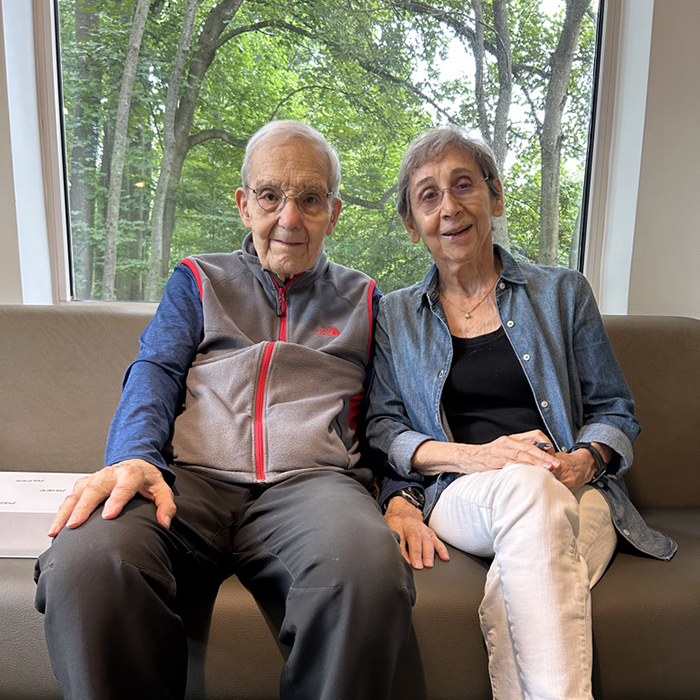
Meet Marge & John

In the heart of Princeton, New Jersey, resides a couple whose journey is as captivating as it is inspiring. Meet Marge and John D’amico, a duo whose bond has weathered nearly seventy years of life’s twists and turns. United by love and a shared heritage rooted in Italian ancestry, their story is a testament to resilience, ambition, and unwavering commitment.

Their tale began in the quaint town of Rochester, New York, where fate intervened at a birthday celebration. Marge and John, drawn together by destiny’s hand, embarked on a journey that would shape their lives and those around them. Education emerged as a cornerstone of their shared ambitions. John, a brilliant mind, secured a scholarship to the prestigious Massachusetts Institute of Technology in 1955, eventually earning a PhD in physics from Rensselaer Polytechnic Institute.

Marge’s journey mirrored her husband’s determination. Armed with a degree in molecular biology, she navigated academia while tending to their children in challenging conditions.

As Marge pursued her studies, her commitment to family and education remained unshaken. Their parents’ struggles and triumphs wove into the D’amico legacy. Marge’s father journeyed to America through Ellis Island, leaving Italy behind for a new path. John’s mother, despite health adversities, found solace in crafting German pastries. As their story unfolded, Marge and John embraced life’s challenges hand in hand. Today, they advocate for educational initiatives at the Princeton Senior Resource Center, infusing gratitude and enthusiasm into every program.

The D’amico narrative—a mosaic of love, sacrifice, and education—exemplifies unity and the enduring embrace of cultural heritage. In a changing world, Marge and John D’amico stand as a beacon of commitment and a testament to a life well-lived.

by Ana Carolina González-Peña, Coordinator of Diversity, Equity, Inclusion, and Belonging

BE THE FUEL

MAKE A DONATION TODAY

Your generosity is truly the fuel that empowers CMAP to change lives and to help older adults discover their “why!”

We invite you to donate to the 2023–2024 Annual Giving Campaign by June 30 to help us reach our goal.