
Important Update: While the Klath Center is temporarily unavailable, our team remains fully operational. CMAP staff will continue working remotely and from our Suzanne Patterson Building at 45 Stockton Street. Programs will continue as planned at the Suzanne Patterson Building and in virtual formats, and we are committed to minimizing disruption to our community. Registration for the Evergreen Forum will also proceed as scheduled tomorrow, Tuesday, January 27, 2026. For assistance during registration please call 609.751.9699 or help will be available for walk-ins at the Suzanne Patterson Building.

Perspective

If you are human, you have biases

Ana Carolina González-Peña • February 14, 2024

We all hold unconscious beliefs about others; it’s normal to categorize or organize our understanding of other people. This is known as “unconscious bias” or “implicit bias.”

Identifying our own biases can be complicated since they are strongly influenced by our upbringing and exposure to different groups of people. Additionally, there is no clear way to express them, and they encompass aspects such as political ideology, religious beliefs, financial influence, and misinformation, among others.

Some common examples of biases are:
• Attacking someone of a particular religion by questioning their nationality.
• Reporting an LGBTQ+ person for using the women’s restroom.
• Prohibiting employees from speaking a different language in public places.
• Calling the police because a couple of people of color are in a public space for an extended period.
• Assigning tasks only to people with whom we feel comfortable, ignoring the knowledge of others due to their different backgrounds.

Do I have biases?
Despite our best intentions, biases and discrimination can emerge in our communities, often where we least expect them.

Our biases can manifest in our behavior, comments, emails, text messages, articles, and in the connections, we establish with those around us. Some red flags include:

• When defending our arguments, we selectively present facts to reach our only conclusion.
• Attempting to persuade friends or family to think in a certain way without evidence for what we say.
• Using humor or irony to refer to certain people or groups.
• Using coded language, i.e., seemingly innocent words with an alternative or offensive meaning, such as “drug addicts,” “illegals,” “foreigners,” etc.
• Suspecting that someone has committed a crime based on their ethnic origin, either consciously or unconsciously.
• Paying more attention to the tone, emotion, or presentation of a fact, rather than what happened. This often occurs when concerns about racism or discrimination are invalidated.

A Starting Point
Because we are seldom aware of our biases towards others, it is crucial to create awareness to mitigate collective harm. To do this, it is essential to initiate conversations about the impact of discrimination. Here are some recommended practices:

Stay calm: Although it may be challenging to talk about biases, it is essential to remain calm.
Awaken your curiosity and listen: Listen to all opinions, even those that make you uncomfortable. Practice empathy by putting yourself in the other person’s shoes.
Don’t take anything personally: Avoid taking the opinions of others personally. Often, biases reflect more on the person expressing them than on the recipient.
Reflect on the conversation: Think about what you have learned by listening to others. Develop genuine empathy by putting yourself in their place.

Now that you’re willing to see the world through the eyes of others, what will you change in the future? Is there anything you can modify in your own behavior? Although we are very different individuals, our common ground is that we all belong to the human race; it’s just a matter of remembering it!
  • Open Doors

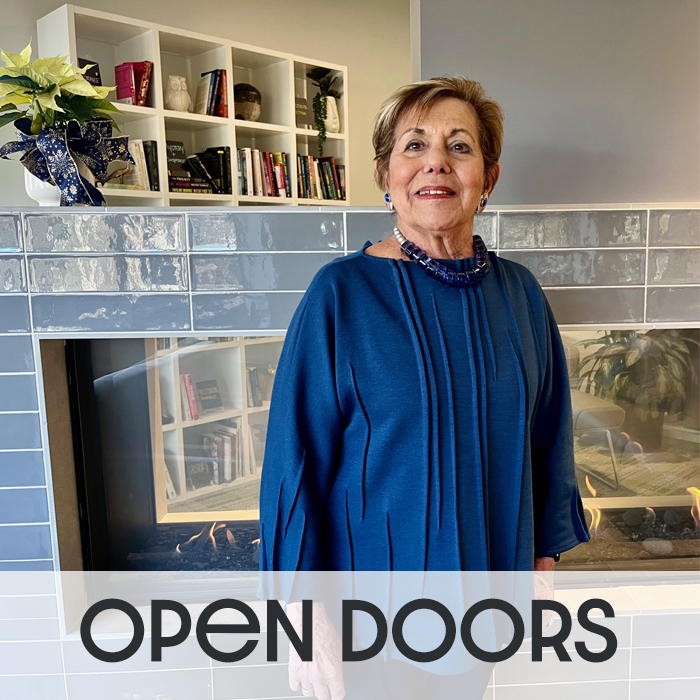
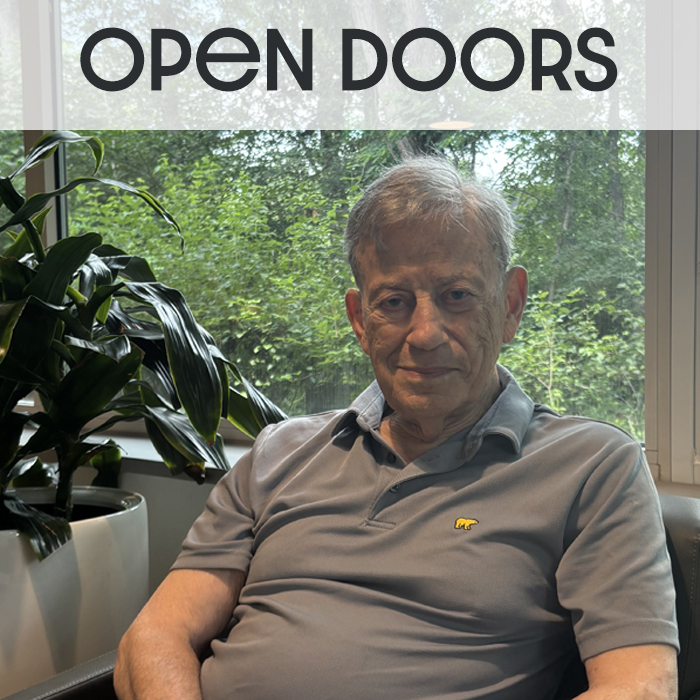
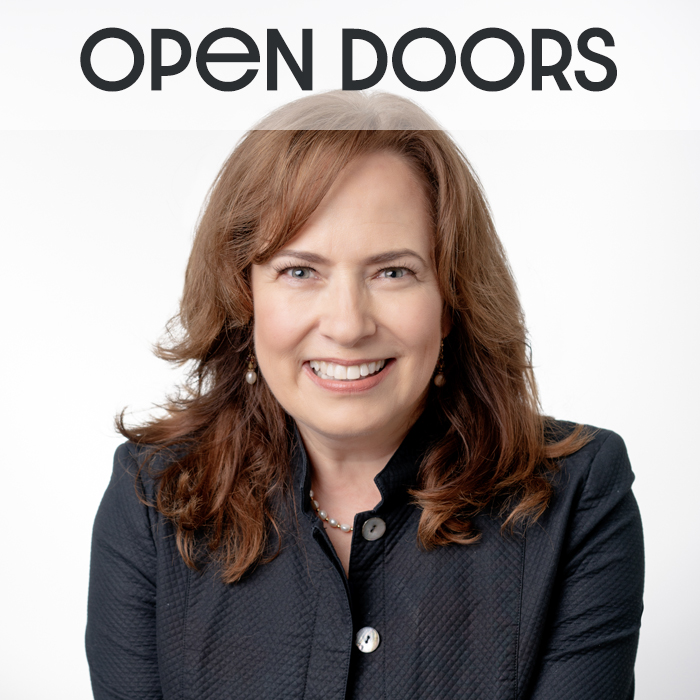
    Meet Linda Madani

    When Home Becomes Care: Linda Madani on Design, Aging, and Dignity The seeds of Linda Madani’s interior design career were sown early. Growing up in...

    Kathy Fedorko • Jan 22, 2026

    READ MORE
  • Perspective

    CMAP Holiday Coat Drive

    This holiday season, our Senior Coat Drive wrapped our community in warmth in more ways than one. Through the generosity of twenty-five sponsors, twenty-five brand-new winter coats were purchased...

    Ruthann Traylor • Jan 21, 2026

    READ MORE
  • Open Doors

    Meet Nancy Becker

    Nancy Becker: Building Community, Changing Systems, and Leading with HeartHow a young woman from the Bronx became New Jersey’s trailblazing advocate for ethics, women’s leadership,...

    Brandon Urias • Dec 11, 2025

    READ MORE
  • Open Doors

    Meet Lori Efaw

    Lori Efaw: How Care, Community, and Conversation Shaped Her Path at CMAP When you meet Lori, you first notice the ease with which she moves...

    Brandon Urias • Dec 02, 2025

    READ MORE
  • Memoir Lane

    My Sneakers Go Upscale  

    “I originally signed up for the class because I wanted to write my obituary, but I found I have much more to say and share....

    Anonymous • Nov 18, 2025

    READ MORE
  • Open Doors

    Meet Barbara Skinn

    Barbara Skinn: Finding Purpose, Poetry, and Belonging at CMAP When you meet Barbara Skinn at the Center for Modern Aging Princeton, she greets you with...

    Brandon Urias • Nov 12, 2025

    READ MORE
  • Memoir Lane

    The Balloon Ride

    “After signing up for nine consecutive sessions of ‘Time to Tell Your Story,’ the memoir writing class led by Wendy Humphrey, I can say my...

    Marilyn Aronberg Lavin • Oct 28, 2025

    READ MORE
  • Memoir Lane

    Fidel Castro – My Hero

    “Our biweekly memoir class helps me reflect on meaningful moments in my life. Each session uncovers a new theme or memory, opening a treasure chest...

    Anonymous • Sep 29, 2025

    READ MORE
  • Open Doors

    Meet Stephen Albert

    Beyond Careers and Titles: Stephen Albert on What Really Matters By Brandon Urias Across decades that carried him from Brooklyn to Harvard, from Wall Street...

    Brandon Urias • Sep 24, 2025

    READ MORE

BE THE FUEL

MAKE A DONATION TODAY

Your generosity is truly the fuel that empowers CMAP to change lives and to help older adults discover their “why!”

We invite you to donate to the 2023–2024 Annual Giving Campaign by June 30 to help us reach our goal.